

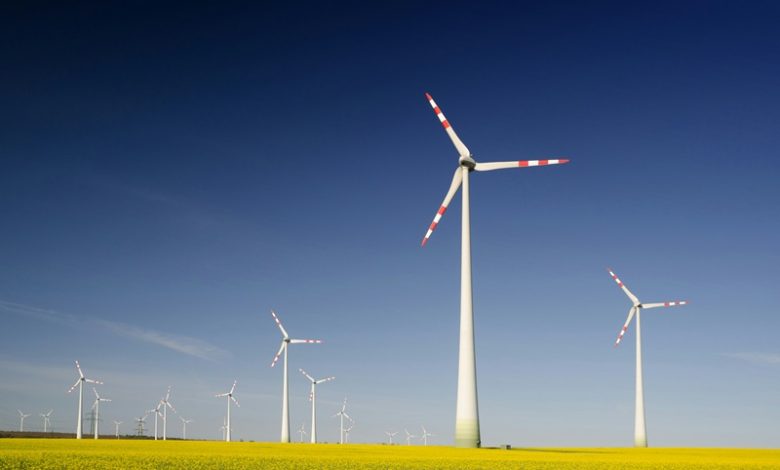
Renewable energy sources are those that are found out of nature, resources that replenish themselves over time, which include sunlight, wind, rain, tides and heat that is geothermal. In contrast to fossil fuels, which are known to emit carbon, which is harmful, renewable energy sources are non-polluting, sustainable and essential in the battle against climate change. With the world shifting towards greener solutions, the world is changing in the way that it produces and utilises energy with the adoption of renewable energy sources such as solar panels, wind turbines and hydropower systems. The knowledge of how renewable energy functions is what makes us appreciate the value of renewable energy to the environment, the economies, and to the future generations.
What Is Renewable Energy?
Renewable energy is energy which is produced by naturally regenerating sources that, with time, are not used up. It consists of solar, wind, hydro, biomass, and geothermal energy. These sources offer a long-term solution to the world energy requirements without damaging the environment. The renewable sources of energy are replenished in a continuous cycle as opposed to fossil fuel sources which require millions of years to be formed.
Types of Renewable Energy
- Solar Energy: Collected sunbeams on photovoltaic panels to generate electricity or heat.
- Wind Energy: Turbines convert wind energy to mechanical energy.
- Hydropower: Takes flowing water and uses it to rotate turbines and produce electricity.
- Biomass Energy: Developed out of natural resources such as wood, waste, and crops.
- Geothermal Energy: Heat is harnessed on the lower part of the earth in order to produce energy.
How Does Renewable Energy Work?
All the renewable energy sources work, however, with the same aim to produce clean energy.
- The solar panels transform sunlight directly into electricity with the help of semiconductor materials.
- The turbine windmills utilize wind to turn blades that are attached to a generator.
- Hydroelectric power plants utilize the energy of flowing water of rivers or dams.
- Organic materials are burnt in biomass systems to provide chemical energy that has been stored.
- Geothermal systems utilize an underground temperature to utilize it as steam and power turbines.
Benefits of Renewable Energy
- Minimizes pollution and carbon emission.
- Establishes a sustainable employment.
- Reduces the reliance on foreign fuels.
- Reduces the energy expenses in the long term.
- Promotes climate and energy security.