A Silent Shift in Nature: Tropical Plants No Longer Bloom on Time—What It Means for Traditional Farming and Crop Cycles
Climate change is disrupting tropical plant blooming cycles, affecting coffee, cocoa, and rice farming. Learn the risks for crop yields and food security.

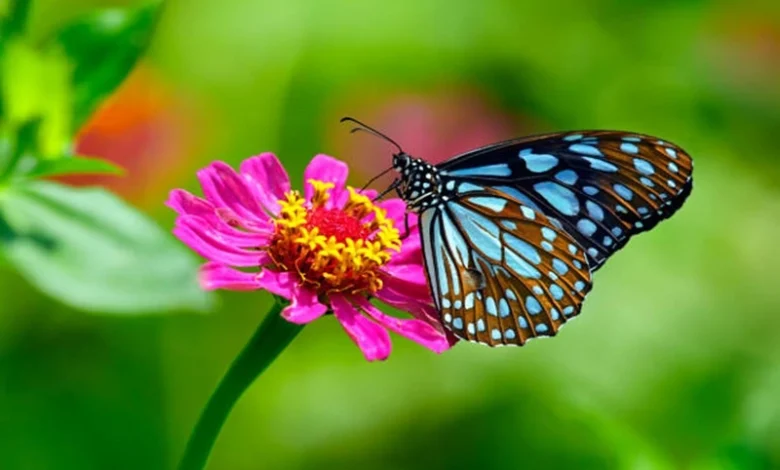
A slow but dynamic shift is taking place across the world tropics because of global warming. Many plants that used to bloom according to their natural seasonal rhythms are now blooming late, from days to sometimes weeks later than they did in previous years. Such changes to blooming patterns will have significant implications for agriculture. For example, changes in the timing of blooming can cause profound disruptions to crops such as coffee, cocoa, and staple grains like rice that have traditionally relied upon natural seasonal cycles for thousands of years.
Why Blooming Cycles Are Changing
Long-term data indicate that tropical plants will shift their flowering patterns approximately two days every decade. Given the extreme nature of recent climate change, in some instances, some plants will experience flowering delays of several weeks. Ultimately, these timing adjustments will profoundly alter plant populations across ecosystems.
Two primary forces are contributing to the timing changes—rising temperatures and a lack of consistent seasonal rainfall.
Changes in flowering timing will substantially impact ecological relationships. When the timing of flowering shifts, other organisms that depend on those plants for their own survival also will be affected, such as pollinators and soil microbes.
Explore The Changing World Around You
Why Does Indoor Air Quality Matter?
Discover how indoor plants play a key role in cleaner and healthier living.
Can Native Plants Improve Chennai Air?
Explore what studies reveal about pollution levels inside urban homes.
Which Indoor Plants Clean Air Naturally?
Check the best plants that help purify indoor air effectively.
How Is Global Warming Affecting Wildlife?
Discover the impact of climate change on ecosystems and animal life.
How Is Climate Changing Weather Patterns?
Explore how global warming is reshaping weather across the world.
How Coffee Farming Is Being Affected
The timing of Coffee is critical; Coffee flowering is linked to expected rainfall patterns that include dry periods and rainy ones. This is no longer the case, as increased temperatures at night and variable rainfall are causing flowering to happen too early and erratically.
Uneven Flowering and Harvest Challenges
Coffee flowering is dependent on periodic rainfall, which supports uniform flowering of a plant. A change in periodic rainfall patterns has resulted in more than one phase of flowering, which results in the cherries on the same plant not ripening.
These variable flowering periods will cause a number of difficulties for farmers who will have to perform more than one crop harvest versus harvesting one crop through one harvesting season. Increased labor costs will occur, as farmers will have to pick the marginally ripe cherries from the crop rather than waiting until they are all ripe.
Declining Quality and Market Value
When flowering is not uniform, we end up with erratic growth of beans. In some cases there will be cherries that are too mature, and others that are not fully developed and this can have an impact on flavour and quality. This will have an impact on the overall marketability of the crop.
Increased Pest Pressure
Pests like the coffee berry borer thrive under warmer temperatures and disrupted cycles. The plants’ resistance against the berry borer is diminished by climate-related stress too.
Coffee Farming Impact (India & East Africa)
| Factor | India (Karnataka/Kerala) | Ethiopia/Kenya (East Africa) |
| Flowering Trigger | Pre-monsoon showers | Seasonal rainfall |
| Current Issue | Delayed or weak blossom | Irregular flowering cycles |
| Yield Impact | 10–20% decline in some regions | Up to 25% loss in bad seasons |
| Pest/Disease Risk | Coffee leaf rust increasing | Berry borer infestations rising |
| Farmer Response | Irrigation, shade management | Crop diversification |
How Cocoa Production Is Under Pressure
For cocoa producers, timing issues can be more damaging than weather. Cocoa production depends on consistency in humidity and temperature to initiate flowering and pod development. As cocoa seasons become increasingly erratic, the flowering periods of cocoa trees are increasingly shortened or lost entirely due to pollinator activity being out of sync with the blooming of the tree.
Pollination Disruptions
Due to cocoa trees’ reliance on small insects for pollination purposes, it is important that blooming and pollinator activity is relatively synchronous. When the timing of the two processes does not match closely, there are not enough pollinators present at the time of the planting of flowers, thus leading to fewer successful fertilized flowers.
Climate Stress on Trees
The production of cocoa occurs under very specific, consistent environmental conditions, specifically humidity and temperature. In addition to rising temperatures due to climate change, changes in rainfall patterns are placing cocoa trees under additional environmental strain, resulting in less productive cocoa trees.
Lower Yields and Economic Impact
Farmers who are heavily reliant on cocoa for their livelihood may suffer significant financial hardships when there is a decline in the number of pods that can be harvested due to delayed or non-consistent flowering of the trees.
Cocoa Farming Disruptions (West Africa Focus)
| Factor | Ghana | Ivory Coast |
| Bloom Dependency | Humidity + steady rainfall | Stable tropical climate |
| Climate Issue | Extended dry periods | Rainfall unpredictability |
| Pollination Challenge | Midge activity mismatch | Reduced fertilization rates |
| Yield Impact | 15–30% fluctuations | Major output instability |
| Disease Spread | Black pod disease rising | Fungal infections increasing |
What This Means for Rice Cultivation
Rice farming is very much reliant upon timing; the climate plays an essential role in what happens. With rising temperatures and shifting rainfall patterns, rice plants that would have historically flowered at certain times are now either flowering too soon or too late due to heat stress.
Uncertain Monsoon Patterns
The farming of rice is very much dependent on seasonal rainfall patterns particularly in tropical areas. When there is a shift in the monsoon patterns of the world, it can cause the farmers to have extreme difficulties in deciding what time will be best to plant their crops.
When there are delayed rains, normally the sowing of rice is delayed; when there are heavy rains all of a sudden they can cause flooding and drown the rice plants. This uncertainty can lead to lowering or reduction in the ability of rice crops.
Heat Stress During Critical Stages
Rice is extremely sensitive to the temperature at this point, so a few days of high temperatures can cause a significant reduction in grain formation and significantly lower yields. As temperatures continue to rise, it will create increased uncertainty for the farmer in producing stable amounts of rice each year.
Water and Soil Challenges
There are many challenges when it comes to having enough water available. Weather extremes can result in drought but too much rain can cause the soil to compact and prevent roots from growing well and receiving sufficient amounts of moisture.
Rising Pest and Disease Risks
Changes to the climate are further contributing to pest and disease problems with increases in temperature and humidity causing these pests and or diseases to spread at a more rapid rate and live longer.
Rice Cultivation Risks (Bangladesh & India)
| Factor | Bangladesh | India (West Bengal/Assam) |
| Key Dependency | Monsoon timing | Rainfall + irrigation balance |
| Current Disruption | Flood–drought cycles | Delayed monsoon onset |
| Temperature Impact | Heat stress during flowering | Reduced grain formation |
| Yield Loss Estimate | 5–15% annually (variable) | 10–12% in extreme seasons |
| Major Risk | Crop failure in rain-fed areas | Pest outbreaks, water stress |
Wider Impact on Food Systems
Changes in flowering patterns impact more than just single crops; they change the whole agricultural ecosystem and how it works, including pollinators, soil health, and water management systems.
For farmers who rely on traditional wisdom to help guide their planting and harvesting times, the loss of these natural indicators leaves them with uncertainty about when to plant or harvest their crops. This decreases the capacity of rural communities to withstand and adapt to changes in climate.
These changes ultimately result in reduced food security in tropical areas where the livelihoods and daily access to food for millions of people are based on stable crop supplies.
Summary
The changing bloom cycles of tropical plants reflect a deeper shift caused by climate change. Coffee and cocoa face challenges in flowering, pollination, and pest control, while rice struggles with water and temperature stress.
Together, these disruptions are reshaping tropical agriculture, highlighting the urgent need for adaptive farming practices and long-term climate resilience strategies.
FAQs
1. Why are tropical plants blooming at different times now?
Rising temperatures and changing rainfall patterns are altering natural plant cycles. This causes flowering to shift earlier or later than usual.
2. How does this affect coffee production?
It leads to uneven flowering and harvesting. This reduces both yield and bean quality, affecting farmer income.
3. Why is cocoa especially vulnerable?
Cocoa depends on precise pollination timing. Bloom shifts disrupt this process, reducing pod formation and yields.
4. What problems does rice farming face?
Rice is highly dependent on water cycles. Unpredictable rainfall and heat stress can damage crops and lower productivity.
5. Can farmers adapt to these changes?
Yes, through better irrigation, climate-resilient crops, and improved farming techniques. However, adaptation requires investment and policy support.