Bulgaria’s Griffon Vultures Return: 61 Birds Released, 42 Chicks Born After 60 Years Away

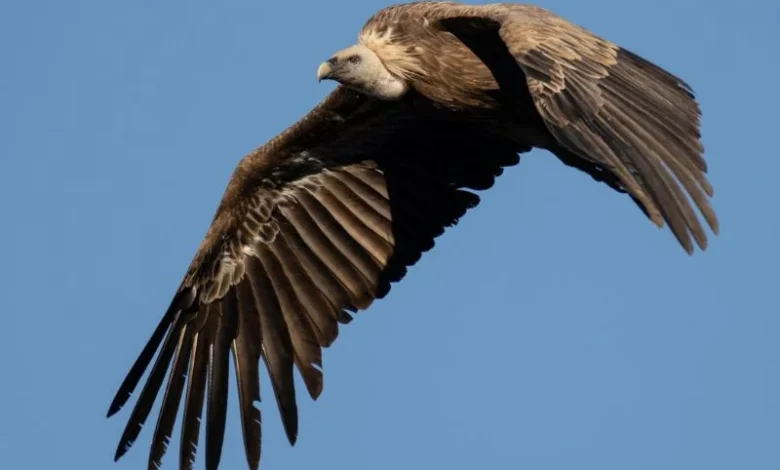
For more than 60 years, the skies over Bulgaria’s Vrachanski Balkan Nature Park had no Griffon Vultures circling above the cliffs. Hunting, poisoning, and shrinking wild prey wiped the species out as a breeding bird by the 1960s. Bulgaria Griffon Vultures return, Now, years of quiet, unglamorous conservation work have turned that story around, and it’s one worth telling well beyond Bulgaria.
How the Griffon Vulture Disappeared
Griffon Vultures once nested across Bulgaria’s mountain ranges in good numbers. Farmers and hunters saw them as pests, poisoned carcasses meant for wolves killed them off as collateral damage, and their natural food sources dried up as wild herbivore populations fell. By the 1960s, not a single breeding pair was left in this region.
The Ten-Year Release Programme
Between 2010 and 2020, teams on the ground released 61 rehabilitated and captive-bred vultures brought in from Spain, France, and several European zoos, letting them out gradually from a purpose-built acclimatisation aviary. Every bird was tagged, so researchers could follow where it went, whether it survived, and if it eventually paired up to breed.
42 Chicks and a Growing Population
The numbers tell their own story:
- First signs of wild breeding behaviour noted in 2013
- First chick hatched and successfully fledged in 2015
- 42 chicks fledged in total by the end of 2020
- Local population climbed to roughly 55–70 birds across several breeding colonies
Why This Matters for the Whole World
Vultures rarely get much sympathy, but they do a job few other animals can match, clearing carcasses quickly and stopping disease from spreading through wildlife and livestock alike. Lose vultures anywhere, and that natural cleanup system breaks down. This project, run with support from the Vulture Conservation Foundation alongside partners such as Green Balkans, shows that even a slow-breeding bird can bounce back given protected land, reliable food, and enough time.
Lessons for Conservation Elsewhere
- Results take years, not months; this recovery needed a full decade to show clearly
- Sourcing birds from several countries helped avoid a narrow gene pool
- Ongoing threats like power-line electrocution still need fixing
- Local farmers supplying carcasses for feeding stations made a real difference
Conclusion – Bulgaria Griffon Vultures return
Bulgaria’s vultures are proof that a species written off as gone for good can come back, provided people stay committed for the long stretch, not just the first exciting year. For readers anywhere, it’s a straightforward reminder that rewilding pays off slowly, but it does pay off.
More stories on extreme weather.
Why Is Bangladesh Facing Flood Risks?
Find the latest climate insights.
What’s Driving India’s Weather Split?
Check out the extreme weather patterns.
Is Sonamarg Travel Safe Today?
Get to know the latest advisory.
How Severe Are China’s Floods?
Browse the latest emergency updates.
Why Is Northeast India Flooding?
Uncover the unusual jet stream effects.