Study Suggests Brazil Forest Clearing Is Changing Where Mosquitoes Feed
Study findings show deforestation in Brazil linked to changes in mosquito biting behaviour, connecting forest loss with rising human contact risks.

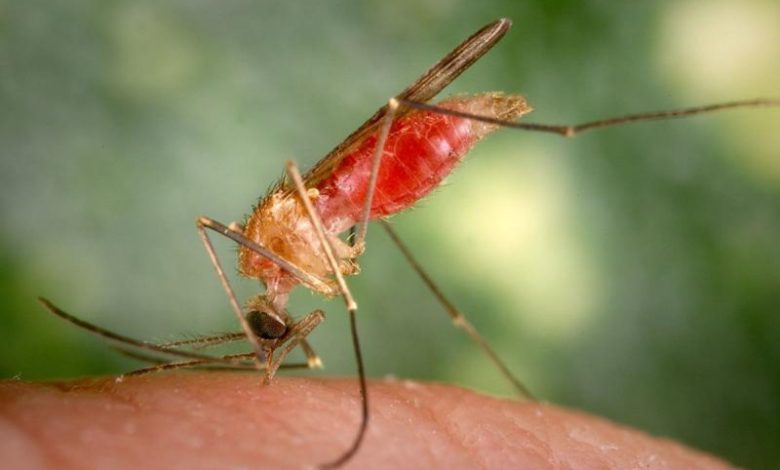
Brazil’s shrinking forests are not only pushing wildlife out, they are also changing mosquito habits. A new study tied deforestation and biodiversity loss to mosquitoes biting humans more often, even near forested zones. The result is an uncomfortable shift: places once seen as “green buffers” may now carry higher bite pressure close to homes and worksites. That’s how it’s looking on the ground.
The Findings Point to a Clear Behaviour Shift
Researchers working around Brazil’s Atlantic Forest found mosquitoes increasingly turning to humans for blood meals as forest cover breaks up and host animals reduce. Some mosquitoes appear to travel between forest fragments and nearby human areas, which can raise concerns for disease spread in forest-edge communities. ABC News flagged the update on X here.
Why Public Health Teams Are Watching Closely
- More human biting can raise exposure risk for dengue, Zika, and other infections.
- Forest-edge towns may face bite spikes during warm, wet periods.
- Prevention plans may need to focus beyond cities, into peri-forest belts too.