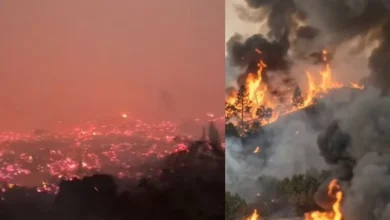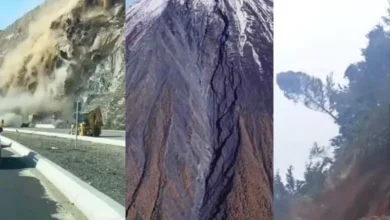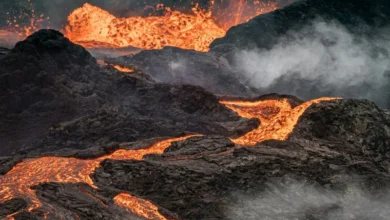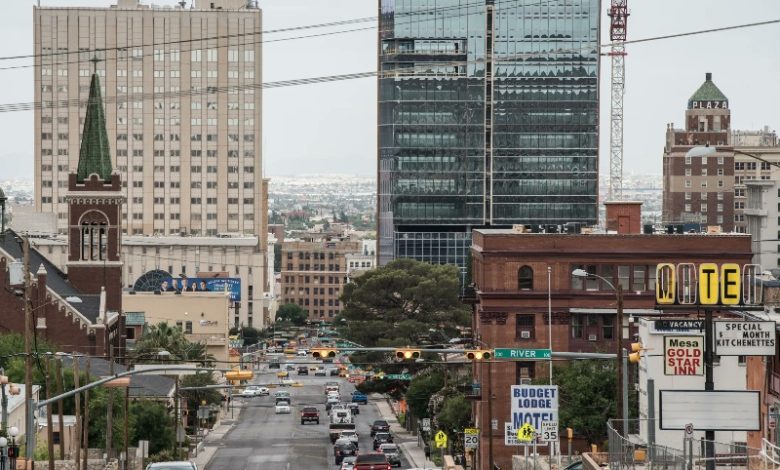
With the worsening effects of climate change, the frequency and intensity of natural disasters such as wildfires, hurricanes, flooding, extreme heat, and droughts are increasing. Factors such as job opportunities and cost of living have become part of the calculation of where to live. For an increasing number of people, it includes how at-risk an area is for climate disasters.
This article outlines U.S. cities and regions thought to be relatively safer (considered lower risk) according to what is known at this time. The article will explore the risk assessment and point out what makes the areas relatively safer, if there are any risks, and how to move forward with a more secure feeling about a place to live in terms of how at risk the location is in considering cost, lifestyle, and safety.
Facets That Make a Place “Safer” From Climate Disasters
Here are some of the factors that we consider to identify lower-risk places:
- Inland or elevated geography (distanced from coastlines and storm surge or flooding areas)
- Lower exposure to wildfires (not in areas of extensive forest or that are prone to drought)
- Moderate climate (not excessively hot or cold, and minimal heat waves)
- Adequate water supply (rivers, lakes, groundwater sources available) and very low risk of drought
- Strong infrastructure and community resiliency towards climate disasters (flood control, emergency planning)
- Regulatory and policy measures in place related to climate adaptation (building codes, green infrastructure, etc.)
Top Cities with Lower Climate Risk
Here are U.S. cities/areas identified by studies and reports as among the safest or lower-risk from climate disasters, along with their pros & remaining risks:
| Region | Why It’s Relatively Safer | What Risk Remains |
| Ohio cities (Akron, Cleveland, Columbus, Cincinnati, Dayton, Toledo) | Inland, away from hurricanes and coastal flooding. Realtor.com found that many homes in these cities have minimal risk from hurricanes, wildfires, and floods. (Find a Broker™) | Risk of river flooding, occasional severe storms, and hot summers can strain energy infrastructure. |
| Seattle, Washington | Lower risk of hurricanes; fewer extremely hot days compared to many Western U.S. areas. Also, strong resilience planning. (Find a Broker™) | Flooding, especially from heavy rain or snowmelt; rising sea levels in some areas; moderate seismic risk. |
| Portland, Oregon | Good policy planning; milder summers; less exposure to major storms compared to the coastal southeast. Ranked among places with lower expected losses. (Insurify) | Flood risk, especially in river basins; some wildfire threat in surrounding forested/mountain areas. |
| Syracuse, New York | High FEMA “community resilience” scores, low anticipated loss per capita from natural hazards. Low risk of wildfires & hurricanes; cooler summers. (Insurify) | Winter storms, heavy snowfall, and potential flooding from snowmelt; air quality could be a concern. |
| Minneapolis, Minnesota | More inland, cooler climate; less exposure to sea level rise or hurricanes. Ranked among the safer cities in Business Insider’s list. (Business Insider) | Cold winters, snow; water / winter‐road infrastructure must handle freezing and thaw cycles. |
| Baltimore, Maryland | Some protection from certain disasters; however, risks (coastal flood, sea-level rise) exist, but are mitigated in some neighbourhoods. Business Insider includes it among the lower risks when comparing many cities. (Business Insider) | Flooding risk near water; sea-level rise threats; extreme weather events are possible. |
Areas to Approach with Caution
These are regions that many reports suggest have high or increasing exposure to climate risks:
- Coastal southeastern states (Florida, Gulf Coast): hurricanes, storm surge, sea-level rise.
- Southwest U.S.: extreme heat, drought, wildfire risk.
- Some Pacific coastal zones: risk of wildfires, rising sea level, and seismic activity.
- Urban centres with ageing infrastructure, where flood/storm drainage is poorly handled.
Reports such as Cushman & Wakefield have flagged many cities in the South, Southeast, and parts of California as among those with high exposure overall to worsening climate stress.
How to Choose Your Best Place to Live
When choosing a community that provides safety versus lifestyle & cost:
Review the risk factors presented in local maps: FEMA flood maps, wildfire hazard maps, and heat vulnerability maps.
Review climate forecasts: will summers be heat events? Will water shortages occur?
Consider infrastructure & resilience: does this area uphold flood control, green space, spending on emergency response and community resources?
Determine elevation & geography: inland, above sea level elevation, away from fault lines & flood plains.
Cost & livability: Sometimes “safer” places are farther away and have fewer amenities.
Final thoughts:
No place is completely safe; climate change affects a substantial portion of the United States (if not all). Nevertheless, based on our current data and forecasts, places in the inland North, the Great Lakes regions, the Pacific Northwest (minus some coastal zones), and some northeastern cities tend to have a lower risk of exposure to many of the worst consequences of natural disasters.
If potential climate disaster risk is a priority, consider some areas like Columbus, Seattle, Portland, Syracuse, Minneapolis and potentially others. This comes down to place (geography), local policy (resiliency) and future climate predictions to plan for a greater safety net for decades.