Why Is Tehran’s Toxic Cloud Still A Global Environment Story? Oil Depot Fires, Black Rain And Health Risks Explained

Tehran toxic cloud is not just a local disaster story. It became a global environment story because the smoke did not stay at the fire line. After March 7 strikes on oil depots and a refinery around Tehran, huge fuel fires sent soot, sulfur compounds, and other toxic particles into the air. Rain then pulled part of that pollution back down as oily “black rain,” turning one city’s emergency into a warning about war pollution, urban public health, and long-tail damage to water, soil, crops, and climate.
What Happened Over Tehran
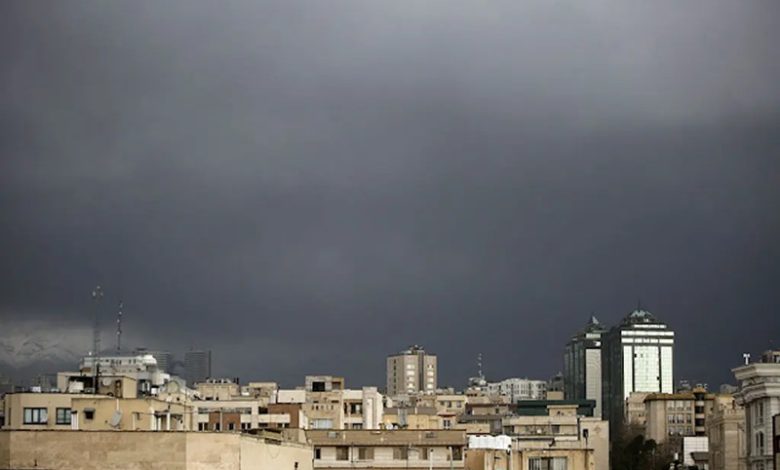
Multiple fuel sites in and around Tehran were hit, including the Shahran and Aqdasieh depots and the Tehran refinery. Satellite imagery and field reporting showed some fires burning for days after the first strikes, while residents described blackened streets, soot on buildings and cars, and air that felt hard to breathe. This mattered because uncontrolled fuel fires release a dirty mix of fine particles and chemicals, not the cleaner combustion seen in normal industrial use. Official News Post from Reuters on X.
Why Black Rain Changed The Story
Smoke alone is serious, but black rain made the danger visible. Experts explained that particles from the fires rose into storm clouds and acted as nuclei for raindrops, so polluted moisture fell back over the city. That is why this story travelled far beyond Tehran: black rain is a war-zone pollution pattern with echoes of earlier oil-fire disasters, and it raises immediate fears about contaminated runoff, polluted drinking water, and damage to vegetation and crops.
Read Also: What Tehran’s Black Rain Reveals About The Environmental Cost Of Urban Fuel Strikes
What The Health Risks Look Like
The World Health Organization warned that the black rain and toxic compounds in the air could trigger respiratory problems, while residents reported burning eyes, headaches, skin irritation, and breathing trouble. Reuters’ graphic, drawing on WHO, EPA, and Iranian Red Crescent material, said acidic particles can aggravate asthma and bronchitis and can push fine particles into the bloodstream, increasing cardiovascular stress. Longer exposure also raises concern about cancer-linked chemicals and heavy-metal fallout entering soil and water.
Why The World Is Still Watching
This remains a global environment story because the fallout does not stop at one skyline. AP reported experts warning that pollution from the wider conflict could damage agriculture, drinking water, fisheries, and desalination systems, with health impacts lasting for years or decades. The fires also add greenhouse gases at a time when war-related emissions are already climbing. In plain terms, Tehran’s black rain is now shorthand for a bigger truth: when oil infrastructure burns in a dense city, the damage moves from air to rain, then from rain to land, water, food, and public health.
Read Also: What Tehran’s Toxic Cloud Reveals About City-Level Environmental Fallout From Fuel Depot Fires
FAQs
1. What caused Tehran’s black rain?
Smoke particles from burning oil sites mixed with storm clouds and fell as polluted rain.
2. Why is the toxic cloud a global story?
Because war pollution can spread into water, food systems, climate, and regional public health.
3. What symptoms have people reported in Tehran?
Residents reported burning eyes, headaches, skin irritation, and difficulty breathing after the fallout.
4. Can black rain affect soil and drinking water?
Yes, experts warned toxic fallout can contaminate runoff, soil, crops, and water supplies.
5. Why could the damage last for years?
Heavy metals, toxic chemicals, and damaged water systems can leave long environmental scars.