Jakarta’s Urban Water Crisis: From Flood Disaster To Drought
Jakarta now faces a dangerous climate paradox. Floods, drought, groundwater depletion, and land subsidence are colliding in one fragile urban system.

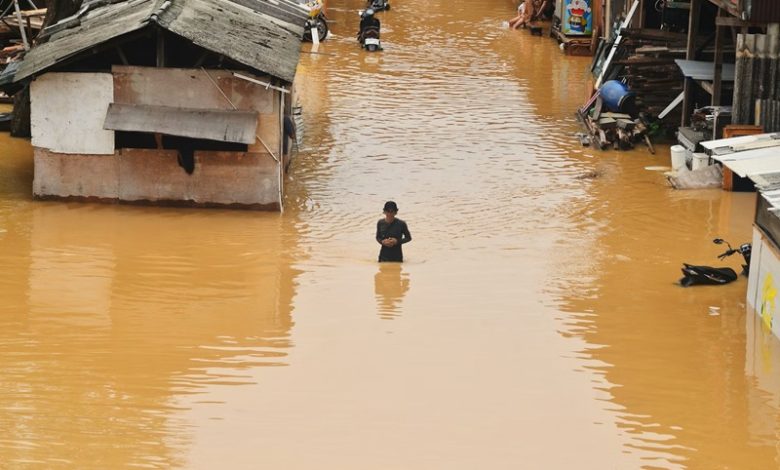
Jakarta used to be framed as a flood story. Now it is also a drought story, and that shift says a lot about how broken urban water systems can turn one climate threat into two. New research highlighted Jakarta as one of the world’s clearest “climate whiplash” cities, meaning it is increasingly exposed to both extreme wet and extreme dry conditions. At the same time, land subsidence, weak drainage, groundwater overuse, and patchy piped water access keep pushing the city deeper into risk.
Flood Risk Is No Longer Just About Heavy Rain
When intense rain hits Greater Jakarta, the problem is not only the storm itself. Water moves through a dense, paved, fast-growing metro region where rivers, canals, clogged drains, and coastal exposure all interact. The World Bank has noted that flood risk across Greater Jakarta is poorly coordinated across jurisdictions, while older drainage and canal systems struggle to carry modern runoff loads.
Drought Pressure Builds Inside The Same Water Network
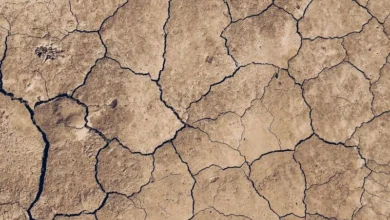
The other side of the story arrives in the dry season. Indonesia’s planners warned this week of a looming water crisis in several regions, especially in Java, while BMKG says dry conditions in parts of Indonesia may run longer than the historical average in 2026. For Jakarta, drought does not always look like cracked earth. It looks like tighter water supply, stressed reservoirs, and more people turning to underground water when surface systems fall short.
Why Groundwater Makes The Crisis Worse
This is where Jakarta becomes a double-risk city. When piped water is unreliable, households and businesses pump groundwater. That helps them survive dry periods, but it also drains aquifers and sinks the city. World Bank and UN-linked sources say unsustainable groundwater extraction has already lowered parts of Jakarta dramatically, worsening tidal flooding and reducing resilience when heavy rain returns.
A Sinking City Cannot Separate Floods From Drought
That is the real urban systems problem. Floods contaminate water, damage sanitation, and overwhelm drainage. Droughts push more extraction from the ground. Then the ground sinks, making the next flood worse. Recent reporting says around 40% of Jakarta lies below sea level, especially in the north, which shows how climate risk and infrastructure failure now feed each other.
Why Jakarta Matters Far Beyond Indonesia
Jakarta is becoming a warning for other megacities: climate adaptation cannot treat floods and drought as separate files. The same pipes, aquifers, canals, wetlands, and planning failures connect both disasters. That is why Jakarta now stands out globally as a city where too much water and too little water hit the same urban system, sometimes within the same year.
FAQs
1. Why is Jakarta called a double-risk city now?
Because the city now faces worsening floods and drought stress through one damaged urban water system.
2. How does groundwater pumping increase flood danger?
It empties aquifers, causes land subsidence, and leaves lower coastal districts more exposed to flooding.
3. Does drought in Jakarta always look dramatic?
No, it often appears as water shortages, stressed supply networks, and deeper groundwater dependence.
4. What makes flooding worse in Jakarta besides rain?
Subsidence, clogged drains, paved land, weak coordination, and coastal pressure all magnify each flood.
5. Why does Jakarta matter to other world cities?
It shows how climate change punishes cities when infrastructure treats water extremes separately, not together.