Urban Growth And Dust: Surat’s Low-Traffic Pollution Surprise
Surat sometimes sees dusty air even on quiet traffic days. Construction belts, exposed soil, and fast urban expansion continue releasing fine particles into the city atmosphere.

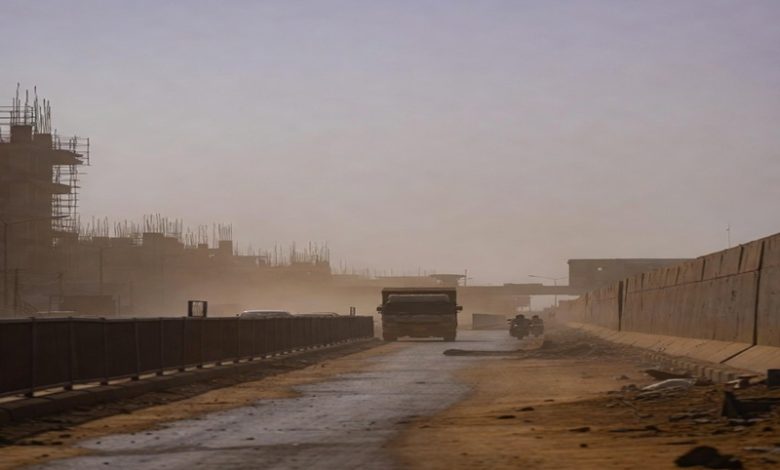
Surat can look deceptively calm on lighter traffic days, yet the air still feels gritty. That happens because fewer vehicles do not automatically mean cleaner air. In fast-growing parts of the city, dust from construction corridors, road-edge debris, uncovered material piles, demolition movement, and dry surfaces can keep particulate pollution active even when traffic pressure drops. Surat’s own clean-air planning identifies construction dust and road dust as major sources that need regular control, not occasional action.
Construction Dust Does Not Need Traffic To Stay Airborne
Low-traffic days may reduce exhaust, but dust behaves differently. Once loose soil, sand, cement particles, and roadside silt build up, even mild wind, local machinery, or site movement can keep them circulating. That is why a city can feel dusty without looking jammed. Surat’s Clean Air Action Plan directly flags construction-dust management and corridor dust reduction as core interventions.
Growth Belts Keep Feeding The Problem
Surat’s expansion belts are adding roads, seafront works, real-estate sites, and utility upgrades at the same time. Each activity creates dust if fencing, shade nets, water spraying, wheel-washing, and debris handling are weak. The city’s recent enforcement shows this is not a minor issue. A major developer on the Dumas Seaface project was fined after inspectors found poor dust suppression and waste handling, and civic checks found violations across many sites.
Where The Dusty-Day Pattern Gets Worse
Dry weather and exposed surfaces make the effect sharper. When traffic eases, people often expect visibly cleaner air, so dusty conditions feel more surprising. But if construction belts are active, they can dominate what residents breathe in local pockets, especially near growth corridors and busy project zones. Even private tracking services currently show particulate levels in Surat staying elevated, though those readings should be treated as supplementary rather than official station data.
Surat Has Already Started Treating This As A Governance Issue
The civic response has moved beyond awareness campaigns. Surat Municipal Corporation launched a clean construction manual and contractor training focused on reducing dust emissions at worksites. Its Air Quality Management Cell also coordinates anti-pollution actions across departments, showing that the problem is tied to enforcement and urban management, not just traffic volume.
The Bigger Story Is About Urban Planning, Not Just Cars
One of the clearest signals came from the Economic Survey’s mention of the “Surat example” while discussing air-pollution control tools. That matters because it places Surat inside a national conversation on how cities manage emissions during rapid growth. The lesson is simple: on low-traffic days, construction belts can still keep PM-heavy air hanging over neighbourhoods unless controls are strict every day.
See Gujaratmitra’s Instagram coverage on Surat’s “dust-free green city” push for a social reference tied to this issue.
FAQs
1. Why can Surat feel dusty even with fewer vehicles?
Construction dust, exposed soil, and roadside debris stay active even when daily traffic pressure drops.
2. What kind of pollution rises from construction belts?
Mostly coarse dust and fine particulate matter from cement, soil, rubble, and transport movement.
3. Has Surat taken action against dusty construction sites?
Yes, inspections, fines, manuals, and compliance drives show the city is responding actively.
4. Are low-traffic days always better for air quality?
Not always, because dust sources can stay strong even when tailpipe emissions temporarily fall.
5. What helps reduce construction-linked air pollution fastest?
Shade nets, water spraying, debris covering, wheel washing, and strict site-level enforcement daily.