
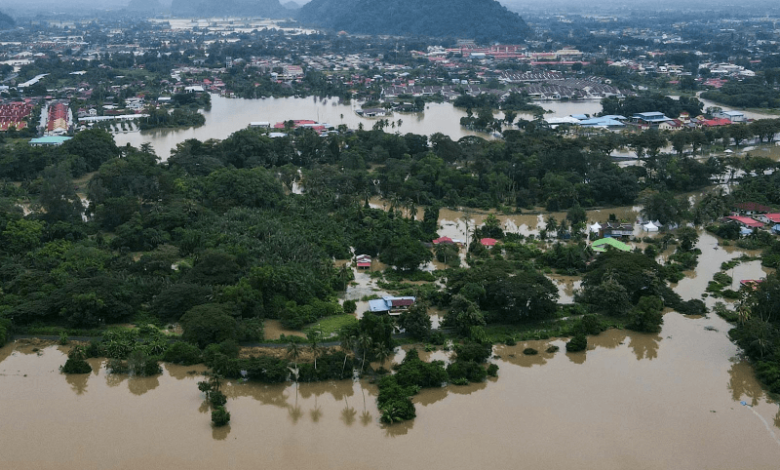
Sirens in the dark, diesel on wet air, phones buzzing with alerts that come late. The headline says it all: deadly Southeast Asia floods highlight growing climate risk as extreme weather surges. Streets turned into brown rivers. Neighbours carried kids on makeshift rafts. That’s how it looked this week, a scene that dominated Latest News across the region.
What Triggered the Widespread Southeast Asia Floods?
Rain stacks up over warm seas, then falls in sheets. Storm tracks bent, two systems crowding the same corridor. Moisture stayed loaded in the sky, like a bucket held just a bit too long. Low-lying deltas soaked first, hillsides followed with slips and noise. People heard the rumble, then silence, then shouting. Simple physics, but messy on the ground. That’s how we see it anyway.
Human Impact Across the Region: Deaths, Displacement, and Damage
Shelters filled fast. Plastic mats, steel cups, chlorine smell in the water queue. Families reached safe schools by tractor and by luck. The missing list changed every hour. Many lost papers, savings, tools.
Small shops sat under knee-deep silt, rice sacks ruined, motors clogged. Ambulances crawled through pooled roads, horns cutting the humid air. Tired faces, that’s common here after landfall. Maybe they’re right to worry.
How Extreme Weather Patterns Reveal Rising Climate Risk
This season did not behave. Warm nights stayed sticky, rain cells lingered, storm pulses arrived in clusters. So, climate risk stops being a chart and starts feeling like a plan that must adjust mid-stride. Drainage designed for an older pattern struggled.
Forecast windows shortened. Fisherfolk read the chop and turned back early. A farmer said the frogs called too late, an odd sign but noted. Feels like real work sometimes.
Economic Losses and Long-Term Strain on Southeast Asian Nations
Money drains in many small leaks. Repair crews patch culverts, relay feeder lines, clear mud from sub-stations. Markets reopen with half the stalls. Insurance teams tally claims that do not match neat forms. Credit gets tight for tiny enterprises that live day to day.
Governments juggle relief with ongoing bills. Tourism districts cancel bookings, ports reschedule, export timelines slip. And the ledger keeps growing, quietly. That hurts later too.
Snapshot of Disruption
| Sector | Typical hit seen during multi-day flooding |
| Agriculture | Seed loss, nutrient runoff, delayed transplanting, high pest pressure |
| Transport | Washed shoulders, signal failures, ferry pauses, freight backlog |
| Power & Water | Sub-station trips, pipeline contamination, boil notices |
| Small Business | Inventory spoilage, cashflow crunch, equipment repair gaps |
| Public Services | Overtime fatigue, supply rationing, triage queues |
Numbers shift by district, but the pattern stays familiar. Short-term patching, long-term strain.
Scientific Assessments Pointing to Intensifying Climate Threats
Meteorological logs keep showing warmer sea surfaces and heavier hourly bursts. Tide-locked rain meets spring surge and spills inland faster. Modelers warn about stacked events, not just one storm but a train of them.
And, yes, the old return periods don’t hold up, not cleanly. Early-warning tools improve, still the last mile breaks. A teacher in a coastal town said the alert tone felt softer than the rain on tin. Odd detail, still true.
What Governments Must Strengthen to Reduce Future Disaster Losses
Policy gets judged by how fast the water leaves and how fast schools reopen. Workmanlike goals beat big slogans. Practical upgrades matter.
- Clear secondary drains before peak weeks, not after. Keep crews on rotating rosters.
- Elevate key transformers, build sacrificial channels near choke points.
- Enforce hillside zoning, replant upstream buffers, punish illegal dumping that blocks culverts.
- Expand siren reach, multilingual SMS, and door-to-door drills in high-risk lanes.
- Stock mobile water treatment units and basic kits so families can stand on their own for 72 hours.
None of this sounds fancy. It works. Sometimes it’s the small habits that matter.
The Role of Global Support and Regional Cooperation in Climate Resilience
Cross-border rivers ignore paperwork. So coordination has to be better than polite meetings. Shared radar mosaics, vessel alerts pushed to radios, joint stockpiles placed near road hubs. Funding that lands quickly, with simple rules, helps district officers move pumps and fuel without ten stamps.
Engineers learn fast by walking each other’s sites after floods, trading cheap fixes that last. Not glamour, just solid practice. And it builds trust, slowly.
FAQs
Q1. Which months usually bring the highest flood danger across Southeast Asia’s river basins and coastal deltas?
Peak risk clusters around monsoon phases and late-season storms, though timing shifts locally with sea temperatures and basin storage.
Q2. How do warmer coastal waters translate into heavier downpours over towns and farmland inland?
Warmer surfaces load extra moisture into passing systems, raising hourly rainfall rates that quickly outrun older drainage.
Q3. Why do landslides often follow two or three days after the first big flooding events?
Soils stay saturated, slope stability weakens, minor after-rains or small tremors then tip the balance on fragile hillsides.
Q4. What household steps reduce health risks during prolonged standing water near homes and markets?
Boil notices, treated water, dry storage for staples, safe lighting, and simple hygiene kits cut infection and injury.
Q5. Which public works upgrades show the fastest payback in dense urban districts with repeat floods?
Unclogged secondary drains, raised sub-stations, protected pump stations, plus clear evacuation signage give quick, durable gains.