
2040 Vision: South Korea Pledges Carbon Cuts with Coal Phase-Out
South Korea Pledges Deep Carbon Cuts, Coal Phase-Out By 2040 with updated national targets, a fresh energy mix plan, and a push to transition away from fossil-heavy power.

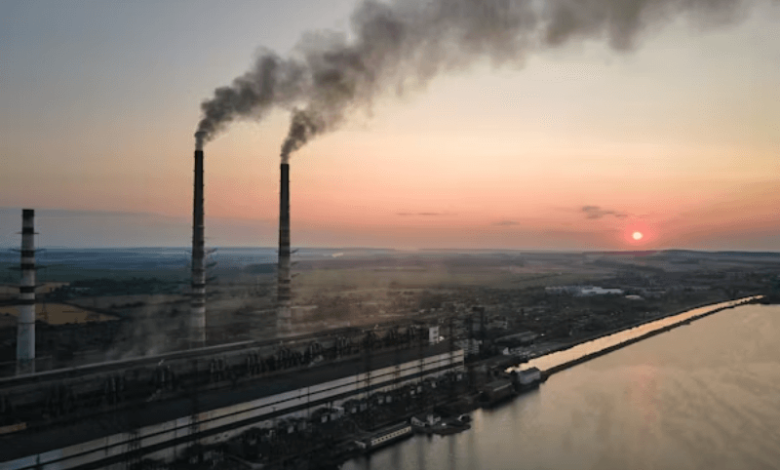
A winter morning in Seoul, sharp air and traffic hum, and the news cycle carries a heavy line: South Korea pledges deep carbon cuts and a coal phase-out by 2040. The announcement ties 2035–2040 climate targets to a tighter power plan, with coal retirement as the headline. The pledge lands in a country that still leans on coal power plants for stable supply, even as public patience for dirty air wears thin.
Why South Korea’s 2040 Coal Phase-Out Matters
Coal still props up a big part of South Korea’s electricity. That reality sits behind factory gates, office towers, and late-night subways that cannot afford long blackouts. A 2040 coal phase-out matters because it forces a real timetable. Not a slogan. A timetable with closures, grid upgrades, and political heat in coal-linked regions.
New 2035–2040 Climate Targets Announced by South Korea
Officials framed the move as a sharper national target line for the mid-2030s. The headline aim points to deep cuts in greenhouse gases by 2035, then a harder push through 2040. Policy watchers say the new target range raises pressure on heavy industry, power utilities, and transport agencies that still run on fossil habits.
Breakdown of the 2040 Coal Phase-Out Plan
The plan centres on staged retirement of coal units, plus rules that limit new coal capacity without carbon controls. The early years look less dramatic on paper, then closures speed up closer to 2040. That lag frustrates climate groups, but grid operators prefer step-by-step change, not a cliff edge that risks supply shocks.
How South Korea Plans to Reshape Its Energy Mix
Coal exits only work if replacements arrive on time. The state’s direction points to more renewables, more nuclear output, and backup gas in the short run. Anyone who has watched summer peaks knows the fear. Hot nights, air-conditioners roaring, and the grid running tight. So planners keep firm power while renewable capacity rises.
Economic and Social Impact of the Coal Exit
Coal towns feel this first. Power plant cafeterias, local bus routes, small repair shops, all take a hit when a unit shuts. Labour transition policy becomes the real test, not the press statement. Retraining, relocation support, and pension clarity decide public acceptance. And yes, power bills matter. Households notice even small increases.
Environmental Gains Expected From Deep Carbon Cuts
Coal retirement can bring cleaner local air along with carbon gains. On certain dry days, the city’s smell changes. Less sharp smoke note, fewer dusty afternoons, less throat irritation on commutes. Health groups often point to particulate reduction as a near-term win. Carbon cuts take longer to show, but air quality shifts can be felt sooner.
Challenges and Criticisms of South Korea’s Climate Strategy
Critics argue the 2040 date leaves too much time for delay. Industry groups counter that fast closures can raise costs and push factories offshore. Another worry is gas lock-in. Gas can look convenient, but it still emits. The strategy also faces permitting delays, grid congestion, and local resistance to new transmission lines.
How South Korea Compares With Other G20 Climate Commitments
Several G20 economies run different timelines for coal exit, shaped by politics and domestic fuel access. Some aim earlier for coal reduction, others keep coal longer but scale renewables faster. South Korea sits in a middle lane: a clear coal phase-out year, paired with a tougher 2035 target range, yet still tied to stable baseload planning.
| Item | South Korea stance | Common G20 pattern |
| Coal exit year | 2040 target | Varies widely |
| Mid-2030s cuts | Higher ambition signalled | Mixed ambition |
| Replacement mix | Renewables, nuclear, backup gas | Renewables plus local choices |
What Comes Next in South Korea’s Energy Transition
The next phase is paperwork and construction, the slow stuff. Utility investment plans, grid reinforcement schedules, renewable auctions, and community consultations shape the outcome. Watch 2026 policy detail, because that is where plant lists, closure sequences, and worker plans usually become concrete. Without that, the pledge stays a headline and nothing more.
A Defining Shift in South Korea’s Climate Future
South Korea’s pledge for deep carbon cuts and a coal phase-out by 2040 puts a firm marker on the national calendar. It signals intent to move past coal power plants, tighten mid-2030s emissions targets, and reshape the energy mix with renewables and nuclear support. The hard part sits ahead: closures that do not break grid stability, clean power that arrives on schedule, and transition plans that protect workers. That is real work, not stage lighting. Maybe the only way it moves.
FAQs
1) What does the South Korea coal phase-out by 2040 actually require on the ground?
It requires specific plant closure schedules, grid upgrades, replacement capacity, and worker transition funding, all delivered on time.
2) How do the new 2035–2040 climate targets affect South Korean industries?
Industries face tighter emissions limits, higher compliance costs, and faster pressure to shift processes, fuels, and power sourcing.
3) Will electricity prices rise because coal power plants retire in South Korea?
Price movement depends on fuel costs, grid investment, and replacement energy, so short-term increases remain possible in some periods.
4) Why do critics say the 2040 coal phase-out timeline is still slow?
Critics believe earlier shutdowns cut emissions faster and reduce health impacts sooner, especially in dense urban corridors.
5) What should observers watch next in South Korea’s energy transition?
Observers should track detailed closure lists, renewable build rates, transmission approvals, and labour transition measures announced in upcoming policy releases.