

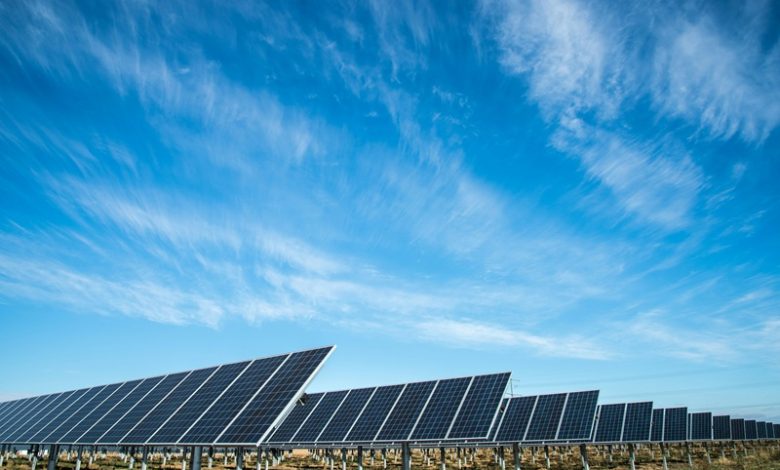
The best year to invest in solar energy is 2025 because India is on a path of becoming cleaner through the use of energy produced by the sun. Due to the declining installation rates, the improved government subsidies and improved technologies on the rooftop solar energy, the decision to install solar power in homes has become more feasible and easier. To homeowners and small businesses, solar power is no longer merely sustainable, but it is also imposing long-term savings that cannot be believed and a lack of dependence on the increasing power prices.
1. Solar Energy Costs Are at Their Lowest
The cost of solar energy in India (2025) has recorded a low price because of the enhanced solar technology and massive application of solar power. An average home solar installation has now a payback of 3-5 years thus a good financial investment.
| Factor | 2020 | 2025 (Estimated) | Change |
| Cost per Watt (INR) | ₹50–55 | ₹30–35 | ↓ 35–40% |
| Average Payback Time | 7–8 years | 3–5 years | ↓ 40% |
| Average Energy Bill Savings | ₹1,200/month | ₹2,500/month | ↑ 100% |
2. Strong Government Support & Subsidies
The Government Solar Schemes India 2025 provides tax credits and financing and subsidies which lower the initial installation expenses to up to 40 percent of those incurred by home owners. All these efforts render the transition to the solar energy in India not merely environmentally friendly but also financially profitable.
3. Smarter and Efficient Solar Systems
Recent rooftop solar India installations have smart inverters, monitoring applications, and storage batteries. Through these inventions, the home owners are able to monitor the production and consumption of energy real time thus yielding more efficiency and reliability.
4. Rising Power Costs Strengthen the Case for Solar
It is estimated that the costs of electricity will keep on increasing, whereas solar systems will provide free and renewable power as long as they are installed. Solar energy is also more stable and predictable in the long run and protects the households against unpredictable utility rates.
5. Environmental & Social Benefits
Each solar home will help lower carbon emissions, help to be more sustainable, and work toward the net-zero emission targets in India. It is not merely an investment of money, it is an investment of a greener world.