
2026 Winter Prep: Snow Storm Safety Tips for Residents in the US
Snow storm safety tips for residents in the US designed to keep homes warm, travel safe, and families ready before severe winter conditions strike your city or state.

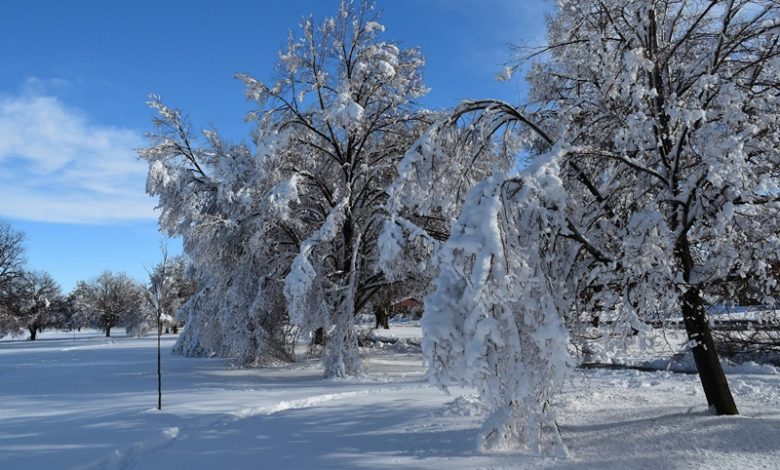
A Snow Storm can turn normal routines risky in just a few hours. The National Weather Service warns that heavy snow, sleet/freezing rain, strong winds, and dangerous cold are the core hazards people should prepare for. Build a simple plan in three parts: prepare before impact, shelter during peak hours, then recover carefully after roads improve. For official social updates, track National Weather Service on X where recent winter preparedness and major-storm posts are shared.
What To Do Before And During A Winter Storm
Before a winter snow storm, prepare a 72-hour kit: water, no-cook food, medicines, batteries, blankets, pet supplies, and safe backup heat. NWS also recommends a battery radio, smoke-alarm checks, and strict generator safety. CDC guidance is clear: keep generators at least 20 feet from doors, windows, and vents to reduce carbon monoxide risk. During any winter storm warning, avoid nonessential travel, keep phones charged, and rely on official alerts, not rumor pages.
Snow Storm Effects You Should Not Ignore
Snow Storm Effects often continue after snowfall stops: black ice, power failures, slower emergency response, and indoor heating mistakes that raise fire or CO danger. Most preventable injuries happen in this “after-storm” window, not just during heavy snowfall.
2026 Trend Watch: Preparedness Messaging Is Earlier
Recent FEMA winter updates highlighted pre-storm planning and post-storm neighbor check-ins during extended outages. Check your snow storm forecast morning and evening, then compare with a regional snow storm weather forecast from the Weather Prediction Center.
FAQs
1. What should I stock first before a Snow Storm?
Water, no-cook food, medicines, flashlights, batteries, blankets, pet supplies, and safe backup heat for 72-hours.
2. How far should generators be from the house?
Keep generators least twenty feet from doors, windows, and vents to prevent carbon monoxide buildup.
3. Should I drive during a winter storm warning?
Only drive if absolutely necessary; roads change quickly, and emergency crews need lanes kept clear.
4. What are early hypothermia danger signs?
Shivering, confusion, slurred speech, exhaustion, and numb extremities are warning signs needing immediate warming attention.
5. Where can I get reliable forecast updates quickly?
Use local NWS alerts, NOAA Weather Radio, and WPC maps for regional storm timing updates.