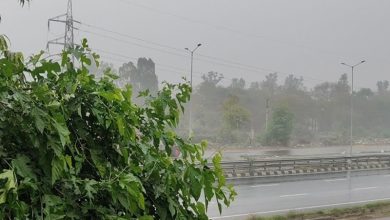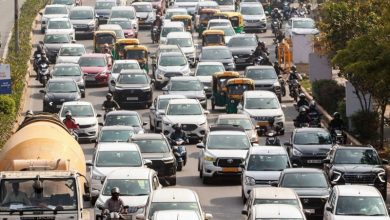

Some years, Singapore wakes up to grey skies even when the previous evening felt fine. That “overnight” haze is usually a delivery problem: a wind shift suddenly lines Singapore up with smoke from regional vegetation and peat fires, and particle levels accumulate quickly. NEA notes haze can worsen when winds change, rainfall is low, and dry spells persist—especially during the Southwest Monsoon.
The Wind Map Behind The Numbers
Singapore sits downwind of burn-prone areas, so the key question is often “where is the air coming from today?” Meteorological Service Singapore describes two main seasonal wind regimes, the Northeast Monsoon (December to early March) and the Southwest Monsoon (June to September), with inter-monsoon months bringing lighter, more variable winds. Those transition weeks are when a small swing toward southerlies can suddenly start transporting smoke from Sumatra or Kalimantan across the Singapore Strait.
NEA also points out that prevailing winds sometimes carry smoke haze over Singapore, particularly during the Southwest Monsoon. When regional burning intensifies, that seasonal “wind highway” is what turns distant hotspots into a local PSI storyline.
Why PSI Can Jump Even When You “Don’t See” It Yet
PSI isn’t one sensor reading; it’s computed using 24-hour averages (including PM2.5), while NEA’s 1-hour PM2.5 is designed for near-real-time decisions. So you can get fast PM2.5 spikes and a sharp smoky smell before the 24-hour PSI looks dramatic. NEA’s FAQ also notes that burning smells may appear with or without a PSI jump because odorous gases from peat and vegetation fires aren’t the same pollutants used to compute PSI.
Another twist: not every “unhealthy” episode is classic transboundary haze. Elevated ozone, shaped by sunlight-driven chemistry and transport, can push air-quality indicators up even without smoke haze, which is why the sky can look deceptively clear on some “bad air” days.
Here’s a recent example of how the watch-words show up on social media during risk periods.
The Trend Now: Hotspot Tracking, Not Just “Haze Or No Haze”
The modern haze conversation is increasingly data-led. NEA and MSS host the ASEAN Specialised Meteorological Centre (ASMC), which issues regional assessments using satellite hotspot detection and smoke outlooks, so people now track wind arrows, hotspot clusters, and rain forecasts together, not separately.
MSS also notes that slight to moderate haze is more common during the Southwest Monsoon and in light-wind inter-monsoon conditions, exactly the “calm air” setup that lets particles linger and visibility drop. Practically, wind shifts act like a switch, while sustained showers often work like a reset.
FAQs
1. What usually triggers Singapore’s worst haze episodes?
Regional peat and forest fires, plus southerly winds, funnel smoke into Singapore’s air column fast.
2. Why can the air smell burnt but PSI stays moderate?
Burnt smells come from gases not counted in PSI, while 24-hour averaging delays visible spikes.
3. Which season is most linked to transboundary haze?
Southwest Monsoon, when southerly to southeasterly winds more often transport Sumatra smoke across the strait.
4. Should I watch PSI or PM2.5 for workouts?
Check 1-hour PM2.5 for going out now; use 24-hour PSI forecasts for tomorrow’s events.
5. Can PSI spikes happen without Indonesian smoke?
Yes. Ozone chemistry or nearby burning can raise indices, even when satellite plumes bypass Singapore.