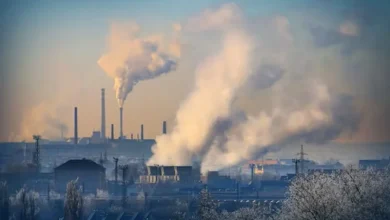
Eco-Breakthroughs And Renewable Energy Innovations Lead The 2025 Roundup
This 2025 Environmental Roundup reviews Renewable Energy Innovations And Eco-Breakthroughs that drove cleaner grids, steady storage upgrades, and smarter systems.

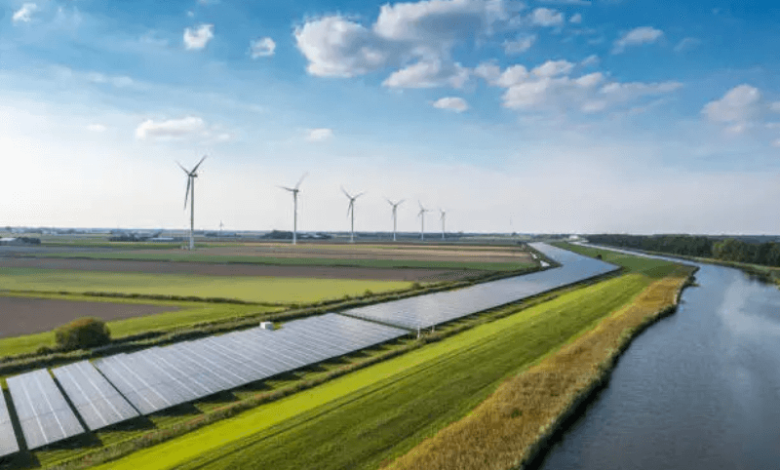
2025 did not feel like a single headline year. It felt like many small changes landing at once. Utilities adjusted schedules, builders changed designs, and factories asked for steadier green power. The term clean energy showed up in real work orders, not just speeches, and that shift mattered.
Global Renewable Energy Landscape in 2025
Across regions, renewable build-outs moved into a more mature phase. More grid planners spoke about timing and stability, less about “pilot projects”. Solar capacity expanded in cities and industrial zones. Wind kept pushing into coastal corridors and open plains. The real action sat in the middle, inside grids.
Energy desks also tracked a new kind of conversation. Power buyers asked for predictable delivery windows, not vague annual targets. And the supply chain talk turned blunt. Panels, cables, transformers, all needed faster movement, or projects waited. That part frustrated many developers.
Breakthrough Solar Technologies That Defined 2025
Solar progress in 2025 looked less like flashy photos and more like better output on ordinary days. Engineers spoke about higher efficiency modules and improved performance in heat. Hot afternoons used to drag output down hard. The newer setups handled it better, and site managers noticed.
Several trends stood out on the ground:
- Rooftops gained smarter inverters that reacted faster to voltage swings.
- Larger plants used tracking systems that reduced maintenance headaches.
- Recycling and reuse discussions became louder, especially for older modules.
A small but telling detail. In many new commercial buildings, solar wiring was planned early, not added at the end. That saved time, and it kept sites cleaner. Simple, but effective.
Wind Power Innovations Driving Faster Transition
Wind in 2025 kept moving offshore and inland, yet the real push came from control systems. Turbines learned to behave better as groups. Operators focused on smoother output, less stress on parts, and fewer sudden cut-outs during rough weather.
Onshore wind also changed its local footprint. Taller turbines pulled stronger winds higher up, so the same land delivered more energy. And in some areas, hybrid sites paired wind with solar in the same fenced boundary, sharing roads, security, and grid links. That kind of practical planning saved money. People like savings.
Still, wind faced familiar complaints. Permits took time. Local objections stayed. Some were fair. Some were not. That tension never fully left.
Energy Storage Breakthroughs That Boost Grid Stability
Storage turned into the year’s “get it done” tool. Battery containers appeared near substations, beside industrial estates, near solar parks. They did not look romantic. They looked like metal boxes and strict safety signage. But they changed operations.
Grid teams used storage for peak shaving, frequency support, and evening supply. A few utilities also leaned on pumped storage where geography allowed. The key point stayed simple: storage reduced panic during sudden demand spikes.
| Storage Type | What It Did in 2025 | Where It Fit Best |
| Grid batteries | Quick response, short duration support | Cities, industrial belts |
| Pumped storage | Long duration balancing | Hilly regions, large grids |
| Thermal storage | Heat capture for later use | Industrial clusters |
Feels strange sometimes, seeing “clean power” depend on boxes that need careful cooling. Still, the results were hard to ignore.
The Rise of Green Hydrogen in 2025
Green hydrogen moved closer to real industrial use in 2025. More projects focused on supply contracts, storage handling, and transport routes. Heavy industries watched closely because direct electrification is not always easy for high-heat processes.
Cost stayed a hurdle. Everyone knew it. Yet progress came through better electrolyser designs, tighter operations, and smarter project sizing. Instead of building massive plants first, developers often built steady plants first, linked to renewable supply that could actually run regularly. That approach reduced idle capacity. It also reduced excuses.
Smart Grid and Digital Infrastructure Transformations
Grid digitalisation shifted from “nice to have” to “needed”. Smart meters expanded. Control rooms used stronger forecasting tools. Operators monitored voltage and demand almost like traffic cops watching junctions in peak hour.
A small anecdote surfaced repeatedly. At a distribution office, a junior engineer could point to a screen and show where a feeder would overload at 7:30 pm. Earlier, that guesswork depended on calls and complaints. Now the warning came before the phone rang. That changed response time, and it reduced outages. Quiet wins count.
Major Eco-Breakthroughs and Environmental Wins in 2025
Eco progress did not stay limited to power plants. Cities pushed cleaner public transport, better waste segregation, and stronger air monitoring. Some industries tightened water reuse. Coastal projects invested in biodiversity checks earlier in planning.
A noticeable shift came in language. Project teams talked about “site impact” in meetings as a routine item. Not always perfect, but present. And communities demanded clearer answers on noise, land use, and local jobs. That pressure kept projects more honest. Sometimes annoying. Often necessary.
Corporate and Government Initiatives Accelerating Change
Corporate power buying grew more structured. Large firms signed longer clean power deals and asked for better reporting. Governments used a mix of incentives, grid upgrades, and auction models to keep capacity moving.
The process became the real battleground. Faster permits, quicker grid connectivity, and clearer safety rules helped more than motivational speeches. When paperwork stayed stuck, even good technology sat idle. That reality became harder to hide in 2025.
Case Studies of Pivotal Renewable Projects in 2025
In India, several large hybrid parks showed how solar, wind, and storage could work together on one schedule. In parts of Europe, offshore wind projects pushed new installation methods and improved vessel planning. In the Gulf, solar deployments leaned into heat-ready design and dust management routines.
One project manager described the work as “half engineering, half logistics”. That sounded right. Panels and turbines were only part of the story. Transport, cranes, spare parts, and grid timing decided success more than fancy brochures.
Challenges That Remain in Scaling Clean Energy Innovations
The push still met friction. Grid congestion slowed new connections. Transformer supply remained tight in many markets. Skilled workforce gaps showed up in commissioning and safety compliance. And financing still depended on predictable policy.
Another issue stayed emotional, not technical. Trust. People wanted clean power, yet feared disruption near homes. Developers who listened early saved time later. Developers who ignored local concerns paid for it. Sometimes in court.
What 2025 Breakthroughs Mean for the Future of Global Sustainability
The 2025 pattern pointed to a future built on steady systems, not single breakthroughs. Renewables grew, storage supported, grids got smarter, and industry tested green hydrogen in real settings. The next phase looked less glamorous and more disciplined. And that is fine. Progress often looks like paperwork, cables, and long nights at control rooms.
FAQs
1) What made renewable energy innovations stand out in the 2025 environmental roundup?
Wider deployment, better grid coordination, and stronger storage use made renewable upgrades visible in daily electricity operations.
2) Which eco-breakthroughs in 2025 helped cities and industries the most?
Smart grid monitoring, cleaner transport steps, and stricter water reuse practices created noticeable operational improvements.
3) How did energy storage change renewable reliability during 2025?
Battery systems and pumped storage reduced evening shortages and managed sudden demand spikes with faster response.
4) Why did green hydrogen gain attention during 2025 clean energy planning?
Industries with high-heat processes explored green hydrogen because direct electrification can be difficult in several operations.
5) What problems still slow clean energy scaling after 2025 progress?
Grid congestion, equipment supply delays, skills gaps, and community trust issues continue to slow project timelines.