
Benefits Of Regenerative Agriculture With Evidence And Greenwashing Warnings
Regenerative agriculture brings strong ecological benefits, but greenwashing risks exist. See the evidence, real advantages, and warning signs to look for today.

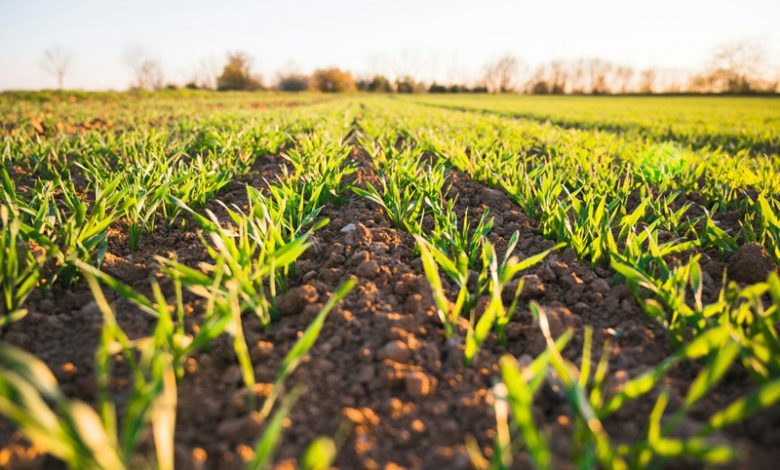
Regenerative agriculture is no longer a fringe idea. In 2026, it sits at the center of climate, food, and supply-chain strategy. The evidence is promising, but only when outcomes are measured, not marketed. A 2025 FAO soil-health report emphasized that credible monitoring frameworks are necessary for accountability, investment, and real progress. For an official social signal, see this Reuters post on X, which highlighted why rewarding farmers is critical for decarbonising food systems.
What The Evidence And Trends Show In 2026
Recent headlines show scale. McDonald’s announced a $200 million U.S. initiative over seven years to support regenerative ranching across up to 4 million acres in 38 states. Microsoft also signed a record agreement to buy 2.85 million soil carbon credits tied to regenerative practices. These are not small pilots anymore; they are capital-heavy bets with public scrutiny attached, and that is good for transparency.
Where Benefits Are Showing Up Fast
Across studies and field programs, the most consistent gains are better soil structure, improved water retention, and stronger resilience under weather stress. A 2025 peer-reviewed review reported mostly positive soil ecosystem-service outcomes, though results still vary by crop, climate, and management quality.
That variability matters: regenerative agriculture is not one recipe, and local adaptation determines whether farmers see agronomic and financial gains.
Greenwashing Red Flags You Should Not Ignore
Be cautious when brands use “regenerative” without baseline data, timelines, or third-party verification. Another warning sign is climate-neutral storytelling built on offsets while direct emissions cuts stay unclear.
Regulators are moving: the European Commission’s Green Claims proposal requires science-based substantiation, while Reuters reported EU talks were later paused, creating temporary policy uncertainty. That is exactly why transparent farm-level metrics should come first.
Useful External Links
- Reuters on X: Rewarding farmers for regenerative agriculture
- AP: McDonald’s $200M regenerative ranching initiative
- Reuters: Microsoft’s record soil carbon credits deal
- European Commission: Green Claims proposal
- FAO soil-health evidence report (PDF)
FAQs
1) What makes regenerative agriculture different from conventional sustainable farming?
It rebuilds soil biology, improves water retention, and reduces input dependency over multiple seasons steadily.
2) Does regenerative agriculture always increase yields?
No, evidence is context-dependent; outcomes vary by climate, crop type, soil baseline, and management quality.
3) How can I spot greenwashing in regenerative claims?
Ask for baseline data, third-party verification, multi-year results, and transparent boundaries for every sustainability claim.
4) Is transition risk real for farmers adopting regenerative methods?
During transition years, some farms face lower yields before soil function and profitability recover later.
5) What should buyers or investors measure first?
Prioritize outcomes: soil carbon trends, biodiversity indicators, chemical-use reduction, farmer income, and independent audits annually.