
Practical Ways to Reduce Plastic Use in Daily Life
Learn simple swaps, sustainable shopping, and eco-friendly habits to cut plastic use and create a greener, cleaner lifestyle.

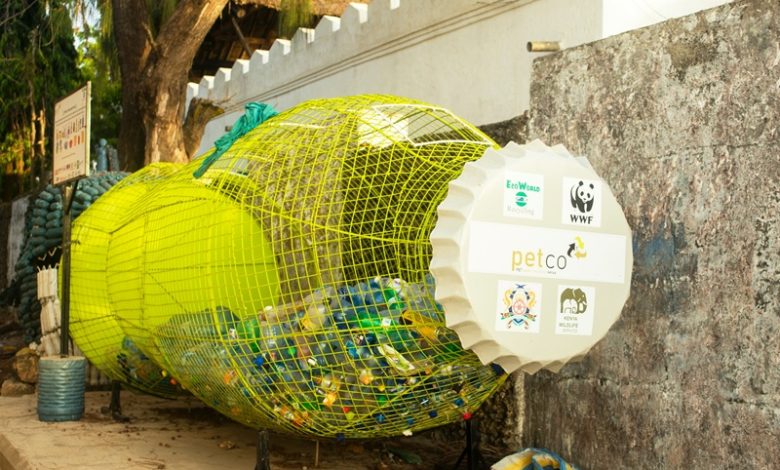
Plastic pollution is a modern issue of urgent environmental concern, which endangers oceans, wildlife, and human health. Millions of tons of plastic waste are sent to landfills and waterways each year and it takes centuries to break down. The positive part is that people can contribute significantly to the decrease in the use of plastics by making slight yet significant changes in their lifestyle. Through green practices, including reusable options, bulk purchasing, and purchasing environmentally-friendly brands, individuals can reduce much plastic waste and leave a more environmentally-friendly and greener planet to future generations.
Simple Swaps for Everyday Living
Begin with changing single-use plastic with reusable ones. Always carry with you a reusable water bottle, coffee cup and shopping bags whenever you are out. Use glass or stainless steel boxes as alternatives to plastic lunch boxes or wraps. Do not purchase items in the packaging which has too much plastic packaging- go to the stores where it is possible to refill the detergent, grains or oil containers. When having a meal, it is better to put an order to avoid plastic knives and forks instead of using your own bamboo or metal set. When taken regularly, these little steps can be used to curb plastic addiction in daily activities.
The second intelligent action is to change to using bar soaps and shampoo bars rather than using the liquid ones in the plastic bottles. Wearing garments of natural fibers such as cotton or linen instead of synthetic ones will reduce microplastic pollution, as well.
Adopt Sustainable Shopping and Waste Habits
Rethink how you shop. Select the brands that are devoted to the use of environmentally friendly packaging or are based on biodegradable materials. Purchasing in large quantities prevents the use of many of the containers, as well as the total waste. In the case of groceries, use your own mesh produce bags and do not buy fruits and vegetables that are covered with plastic.
Separate and recycle plastic litter at home. Contribute to the local recycling programs or attend local clean-up campaigns. Food waste biomassing provides a benefit to the soil by increasing its healthy condition, and recycling trash decreases the amount of trash.
Your efforts can be further enhanced by spreading the word to your circle of friends and family members by informing them about the negative consequences of plastic. Each of our conscious decisions will help to minimize waste of plastics in the world and preserve the environment on the planet.