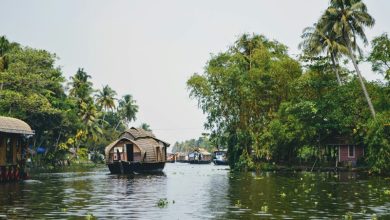
Plastic Pollution in Coastal Cities That Turns Popular Beaches Into Dumps
Plastic Pollution in Coastal Cities is rising fast, and beaches are becoming dumping grounds as broken waste chains, stormwater flows, and tourism overload increase shoreline waste levels.

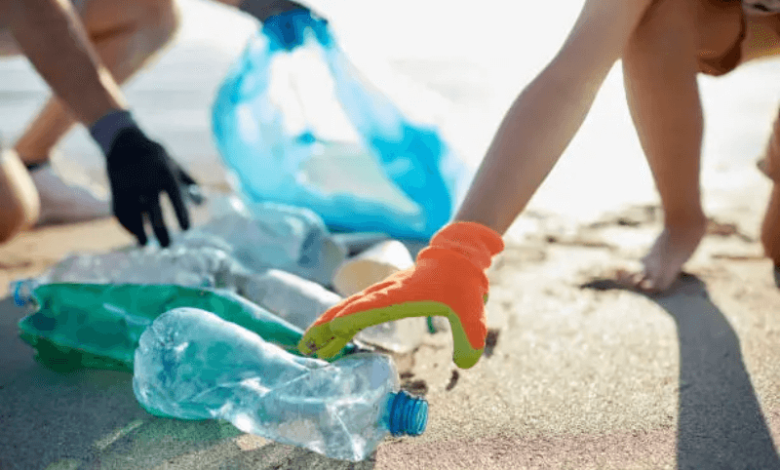
Coastal postcards still sell paradise, but shoreline reality is changing fast. In city after city, beaches are becoming the last stop for urban trash carried by drains, rivers, and tides. What looks like scattered litter is actually Plastic Pollution at system scale. Bags, sachets, ropes, cigarette filters, and microplastic fragments now shape the daily beach line.
These plastic pollution facts are hard to ignore: cleanup crews arrive at dawn, yet fresh waste returns by noon.
Why Coastal Zones Are Taking The Hardest Hit
The biggest causes of plastic pollution are poorly managed city waste, single-use packaging, overloaded landfills, tourism spikes, and stormwater overflow. UNEP estimates that 19–23 million tonnes of plastic leak into aquatic ecosystems every year, worsening ocean pollution across rivers, bays, and seas.
OECD data shows only about 9% of plastic waste is ultimately recycled worldwide, so more plastic in the ocean keeps circulating back to coasts. The effects of plastic pollution are economically brutal: flooded drains, marine die-offs, seafood contamination risks, and tourism losses for local families.
2025 Signals Cities Can’t Ignore
In August 2025, global treaty talks in Geneva ended without agreement, stalling action on plastic pollution in the ocean. At the same time, development banks announced €3 billion for marine-plastic solutions, and Japanese researchers showcased seawater-dissolving plastic prototypes. Phuket also reported a worsening garbage crunch linked to visitor growth. Official social update: Reuters on X
What Coastal Leaders Should Do Next
Cut single-use plastics, trap waste in rivers before landfall, enforce producer responsibility, and fund year-round cleanup consistently.
FAQs
Why do beaches collect so much plastic waste?
Most enters through rivers, storm drains, and unmanaged dumps in rapidly growing coastal settlements worldwide.
How does plastic pollution hurt local economies?
Wildlife ingest fragments, fisheries suffer, tourism declines, and microplastics move into salt, water, and food.
Can households reduce coastal plastic pollution meaningfully?
Yes, reducing single-use plastics, sorting waste, and supporting refill systems quickly lowers local beach litter.
Why do cleanups alone fail over time?
Because cleanup without source reduction fails; tides keep returning newly leaked plastic from upstream neighborhoods.
What should coastal governments prioritize first?
Track waste hotspots, install river barriers, enforce producer rules, and publish monthly transparency dashboards publicly.