How Untreated Waste Is Changing Mangaluru’s Phalguni: Foul Odour, Animal Deaths And Groundwater Fear
Untreated waste entering Mangaluru’s Phalguni is triggering foul odour, fish deaths and rising groundwater fears. Residents demand urgent pollution control action now.

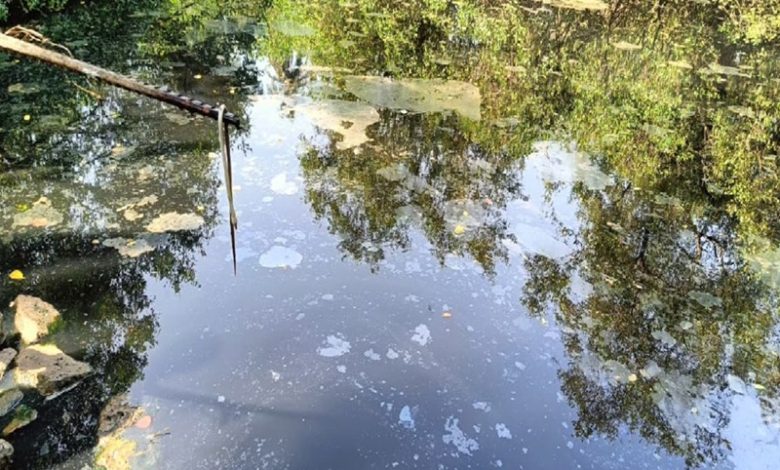
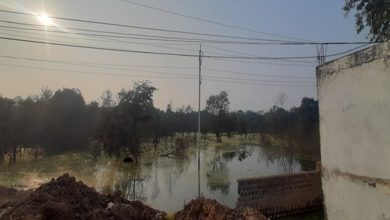
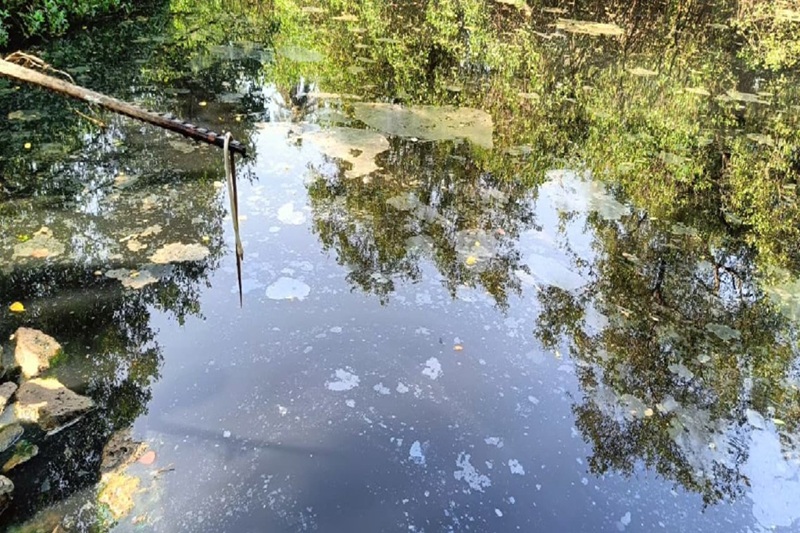
The Phalguni, also called the Gurupura River, has again moved from a local environmental complaint to a wider public-health worry in Mangaluru. Over the past several weeks, residents and activists have reported blackened water, a sharp foul smell, and dead fish in stretches linked to streams entering the river near Kuloor and the Baikampady side. Recent reports say people are now worried not only about the river itself, but also about wells, backwaters, livestock, and the daily water security of nearby communities. A protest has now been called for March 27, 2026, with campaigners accusing industries and sewage systems of failing the river for too long.
Why The Phalguni Crisis Now Feels Bigger Than A Usual Pollution Story
This is not being described as a one-day dumping incident. Reports from February and March point to a pattern: untreated industrial discharge, sewage inflow, and stagnant water conditions have all been flagged in connection with the damage seen near the river system. One complaint cited lab readings showing very high pollution indicators, including BOD at 120 mg/L and COD at 660.9 mg/L, while another report said officials observed sewage entering backwaters through a storm-water drain. Those details matter because they turn a bad smell story into a water-quality story with direct impact on fish, soil, wells, and people living nearby.
Residents say the fear is spreading fast because rivers in coastal belts do not stay separate from daily life. They feed fishing activity, farming, and shallow groundwater use. So when water turns dark and fish die, the next question is simple: what reaches the well? That fear is not new in the Phalguni basin either. Even older reporting from the area had linked river contamination with polluted open wells downstream, which makes today’s anxiety feel grounded rather than exaggerated.
Dead Fish, Bad Smell, And The Animal Warning Sign
Animal deaths often change how people read pollution. A foul odour can be ignored for a while. Dead fish cannot. Recent coverage from Mangaluru described fish deaths near Raikatte Bridge and black, stagnant, foul-smelling water flowing toward the river. Activists have argued that when oxygen falls and contamination rises, aquatic life becomes the first visible casualty. After that, the wider cost reaches fishing families, nearby households, and local trust in public systems. News Karnataka’s Facebook post on the dead fish report.
Where The Story Goes From Here
The issue is now turning into a test of enforcement. Activists are demanding action from the Karnataka State Pollution Control Board and district authorities, while Mangaluru City Corporation is separately set to roll out new solid-waste rules from April 1, 2026. That may help the broader waste conversation, but residents want something more immediate: stopping discharge, fixing sewage leakage, checking groundwater, and making polluters answer in public. For many in Mangaluru, the Phalguni is no longer just dirty. It is becoming a measure of whether civic warnings are heard before a river turns unusable.
FAQs
Why are people worried about the Phalguni now?
Black water, foul smell, dead fish, and pollution complaints have raised fresh alarm across Mangaluru communities.
What is being blamed for the pollution?
Reports point to untreated sewage, industrial discharge, and stagnant polluted water entering connected streams and backwaters.
Why does groundwater fear matter here?
Many nearby homes depend on wells, so river contamination can raise concern about seepage underground.
Have officials confirmed any immediate cause?
Recent inspection reports linked fish deaths to sewage inflow and stagnation in affected water channels.
Is there any public action planned?
Yes. Activists have called a protest on March 27, 2026, demanding stricter enforcement and cleanup.