What Is Polluting The Phalguni River In Mangaluru? Baikampady Industry, Wastewater Streams And Local Fears Explained
Mangaluru’s Phalguni River faces rising pollution concerns linked to industrial waste, feeder streams, and untreated sewage, raising fears for water safety and livelihoods.

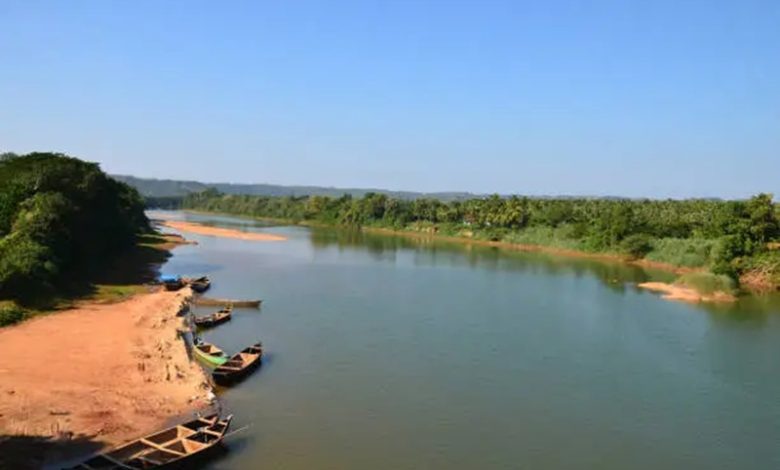
The fresh alarm around Mangaluru’s Phalguni, also known as the Gurupura River, is not coming from one isolated complaint. It is building from repeated reports of blackened water, foul smell, dead fish, and fear that polluted discharge is moving through feeder channels before reaching the main river. In the latest phase of the controversy, residents and campaigners have pointed at Baikampady’s industrial belt, the Kadumbur and Thokur streams, and untreated urban wastewater as the main pressure points. A protest was held on March 27 outside the Karnataka State Pollution Control Board office in Baikampady, showing how the issue has moved from local frustration to a wider public fight.
Why The Phalguni Pollution Story Feels Bigger Now
What has made this story more serious in recent weeks is the mix of visible damage and overlapping blame. Protest groups say untreated waste from industrial units continues to enter the river system through the Kadumbur and Thokur streams, while residents also blame civic failures, including sewage flow and drainage weaknesses, for making the crisis worse. In one recent case near Raikatte Bridge, officials found untreated sewage entering backwaters through a stormwater drain, with stagnation and low dissolved oxygen linked to fish deaths. That matters because it suggests the river is not under pressure from one source alone. It is being hit by both industrial and municipal pollution risks.
Baikampady, Feeder Streams, And The Fear On The Ground
Baikampady keeps coming up because the industrial area sits close to waterways that connect into the larger Phalguni system. Activists and local residents say these streams are behaving like pollution corridors, carrying dirty discharges toward fishing zones, riverbank settlements, and groundwater sources. That fear has grown after sample results cited in recent coverage showed extremely high pollution indicators, including BOD, COD, ammonia, salinity, and bacterial contamination. People in affected pockets have also raised concerns about borewell and open-well safety, which turns the story from an environmental issue into a daily life issue.
Why Residents Are Not Calming Down Yet
This is not the first warning. Court-linked and tribunal-linked records show the pollution dispute has been around for years, with repeated accusations that untreated industrial effluents and sewage were entering the river network. That history is why local fears now sound sharper. People are not reacting only to one bad week. They are reacting to a pattern they believe was never fully fixed. For a natural river tied to livelihoods, fisheries, water security, and Mangaluru’s own future planning, that is why the Phalguni story now feels bigger than a routine local complaint.
FAQs
1. What is the main pollution concern in the Phalguni River?
Residents fear industrial discharge and untreated sewage are entering the river through connected wastewater streams.
2. Why is Baikampady being mentioned so often?
Baikampady’s industrial zone lies near streams that locals say carry polluted discharge toward the river.
3. Which streams are linked to the pollution complaints?
Recent protests and reports repeatedly mention the Kadumbur and Thokur streams as major routes.
4. Did officials find a sewage problem too?
Yes, recent inspections linked untreated sewage inflow and stagnation to fish deaths near backwaters.
5. Why are local people so worried now?
They fear river pollution is harming fish, groundwater, livelihoods, and long-term public health safety.