Climate Strategy in Paris: Is the City Making Real Pollution Progress?
Take a deep look at Paris’ climate efforts, updated policies, and shifting pollution trends to understand whether the city’s long-term environmental goals are realistic.

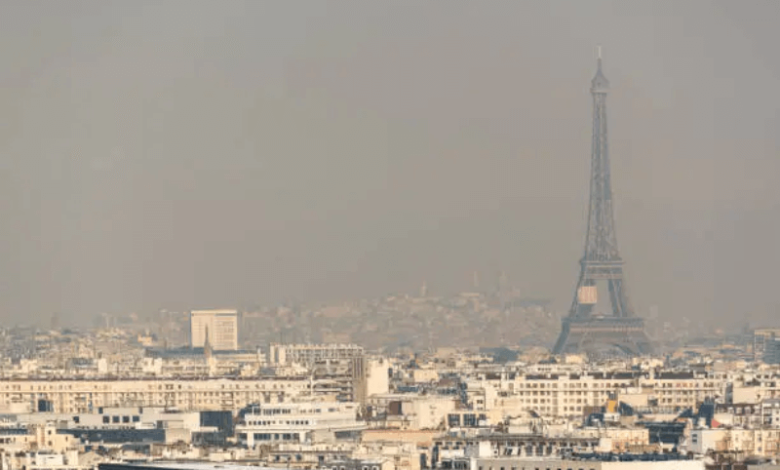
Paris has been selling the world a bold idea: you can clean city air by giving streets back to people. Under the Paris Climate Plan, the playbook is familiar but moving fast: fewer cars, more bikes, more trees, and tougher rules on the dirtiest vehicles. The real question in 2026 is whether the gains feel locked in, or just like a good season with nice headlines.
What’s Changing On The Street, And What The Data Says
Air quality has improved in ways Parisians can actually feel. Airparif’s long-run tracking shows average exposure down roughly 40% for nitrogen dioxide (NO₂) and 28% for fine particles (PM2.5) from 2012 to 2022, driven by cleaner vehicles, traffic cuts, and heating upgrades.
Policy-wise, Paris has also leaned on public votes: a 2023 referendum backed banning shared e-scooters, 2024 voters supported tripling on-street parking fees for heavy SUVs, and 2025 residents approved pedestrianising and greening 500 more streets, turning parking into mini “garden roads.” Here’s a single official newsroom post covering the 500-streets vote.
The Catch: Pollution Isn’t Only A Tailpipe Problem
Paris is not “done.” The périphérique (ring road) and major arterials still concentrate emissions, and PM2.5 stays stubborn because it comes from more than traffic, including residential heating and regional sources. Even when traffic drops sharply, fine-particle gains can lag.
The next phase is about consistency and fairness: enforcing the low-emission zone, protecting cycle lanes from rollback, and making clean transport realistic for suburban commuters who still need to cross the city. If Paris keeps shrinking car space while improving alternatives, it keeps winning. If the policy feels punitive without options, the backlash slows everything.
FAQs
Has Paris actually reduced air pollution under the climate plan?
Yes. Airparif reports major NO₂ declines, but PM2.5 reductions are slower and uneven today overall.
What’s the biggest reason NO₂ dropped in Paris?
Traffic is down, bikes are up, and pedestrian streets expanded, reducing roadside nitrogen dioxide levels.
Is Paris air quality now “safe” by global health standards?
Not fully. Many areas remain above WHO guidelines, especially near the ring road and arterials.
What does the low-emission zone change for drivers?
The low-emission zone limits high-polluting vehicles; enforcement and equity will decide its effectiveness over time.
What should residents expect next from Paris climate policies?
Expect more car-free streets, higher costs for heavy vehicles, and greener school corridors citywide soon.