
How Overfishing Slows Ocean Recovery and Whether Fisheries Can Rebuild
Overfishing and Ocean Recovery collide as fisheries race against collapse. Learn how recovery windows shrink, which species rebound, and where delays risk long-term loss.

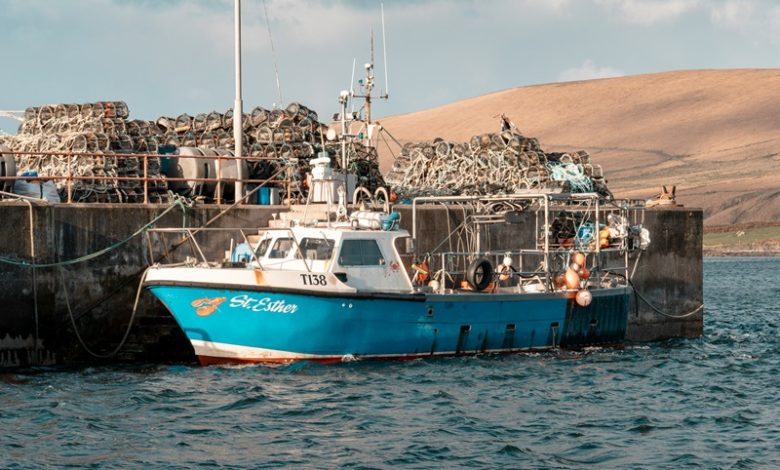
Fish stocks do not recover because of hope. They recover when catch limits are enforced, data stays current, and governments hold course through political cycles. The latest FAO global assessment says 35.5% of marine stocks remain overfished, but it also shows a credible route forward: 64.5% of stocks are biologically sustainable, and 77.2% of global landings come from sustainable sources. In plain terms, recovery is possible, but only where management is consistent and measurable.
Where The Rebuild Is Accelerating And Where It Is Not
One major trend story is policy finally moving upstream. The WTO Fisheries Subsidies Agreement entered into force on September 15, 2025, after passing the two-thirds acceptance threshold. That matters because harmful subsidies have kept too many fleets on the water for too long. Regional signals also show both progress and risk.
In the Mediterranean and Black Sea, fishing pressure has fallen by about 50% since 2013 and sustainability has improved, yet 52% of assessed stocks are still overexploited.
Tuna Recovery Shows What Strong Management Can Do
Tuna is the clearest proof that rebuilding can happen on real timelines. FAO’s 2025 review reports 87% of tuna and tuna-like stocks are sustainable, and 99% of tuna landings come from sustainable sources. In U.S. waters, NOAA’s Status of Stocks reports continued rebuilding momentum: 21 stocks on the overfishing list, 47 overfished stocks, and 50 rebuilt stocks since 2000.
The Real Speed Test For The Next Decade
For official social coverage, see UN on X and FAO on X. If governments pair enforcement, subsidy reform, and better monitoring for small-scale fisheries, recovery can accelerate within one or two management cycles. Delay those steps, and rebuilding windows can close quickly.
FAQs
1. Can overfished stocks recover quickly?
Not necessarily; strict quotas, enforcement, and habitat protection help many stocks rebound within 5–15 years.
2. Why do some fisheries recover slowly?
Depleted populations need breeding time, while illegal catches and policy delays keep removing breeding adults.
3. Does aquaculture solve overfishing by itself?
Only partly; feed sourcing, disease control, and strong coastal regulation decide whether impacts stay manageable.
4. What can consumers do right now?
Choose certified seafood, reduce waste, diversify species choices, and support traceable local fisheries whenever possible.
5. What predicts faster recovery most reliably?
Enforcement quality, data coverage, subsidy reform, bycatch control, and climate pressure in critical global habitats.