

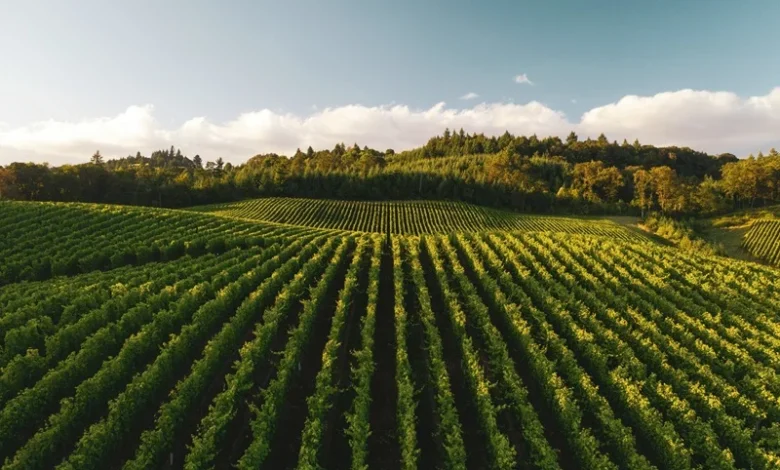
Crops produced using organic farming methods are referred to as organic products. These types of agricultural practices utilize methods that are environmentally sustainable, which means they do not include synthetic fertilizers or pesticides for growing crops. Instead, organic farmers use different types of natural ways to maintain soil health, including using compost, manure from livestock such as cows, and planting crops (called cover crops or green manure) that will be turned back into the ground after they are grown. Crop rotation is commonly used by organic farmers to maintain good soil conditions.
Cost and Profit in Organic Farming
Generally, the cost of starting organic farming ranges between ₹20,000 to ₹60,000 per acre depending on the type of crop and the set up. Organic farmers may experience lower yields than conventional farmers during the first year while they transition their soil to organic farming methods.
The overall expenses of organic farming decrease over time due to the fact that there are fewer chemical inputs necessary to produce the crop. In addition to having lower costs, organic farmers can sell their products for between 20% – 50% more than their conventional counterparts; especially in urban areas. If they plan well and sell directly to consumers, organic farmers can achieve consistent profit margins 2-3 years after they begin farming organically.
Government Support and Schemes
The Indian government supports organic farming through several programs that include:
1) PKVY or the Paramparagat Krishi Vikas Yojana (Traditional Agriculture Development Plan), dedicated to assisting farmers with converting to organic farming through training, financial assistance, and covers costs associated with certification.
2) NPOP stands for the National Programme for Organic Production and pertains to the standardization of the certification of organic products.
3) The Mission Organic Value Chain Development for the North East Region MIOVD provides a whole value chain approach for farmers transitioning from conventional to organic agriculture within their respective regions of the country.
Smarter Living Tips for Climate, Comfort & Sustainability!
Which LA Areas Are Climate Safe?
Discover the safest and riskiest zones in Los Angeles for climate impact.
How Much To Cool Sydney Home?
Explore the full cost breakdown of cooling a home in Sydney today.
Why Does Indoor Air Quality Matter?
Check how indoor plants improve air and boost healthier living spaces.
What Are Benefits Of Regenerative Farming?
Explore proven advantages and warnings about greenwashing in agriculture.
Which Curtains Keep Delhi Homes Cooler?
Discover the best curtains and shades to reduce heat in Delhi homes.
Final Words
Organic farming is a sound agricultural practice that is sustainable for future generations. While organic farming is a long-term investment, it has many advantages, such as healthier soil, safer food, and a better long-term profit margin than traditional crops. Farmers who implement proper agricultural practices and take advantage of government-sponsored assistance programs can create a successful and environmentally conscious agricultural business.
FAQs
1. Is organic farming profitable in India?
Yes, it becomes profitable over time due to higher selling prices and lower input costs.
2. How long does organic certification take?
Usually around 2–3 years.
3. What are the main challenges in organic farming?
Lower initial yield, certification process, and finding the right market.
4. Does the government support organic farmers?
Yes, through schemes that provide financial help, training, and certification support.