ONGC Starts Gas Production In Arabian Sea: What The Daman Project Means For India

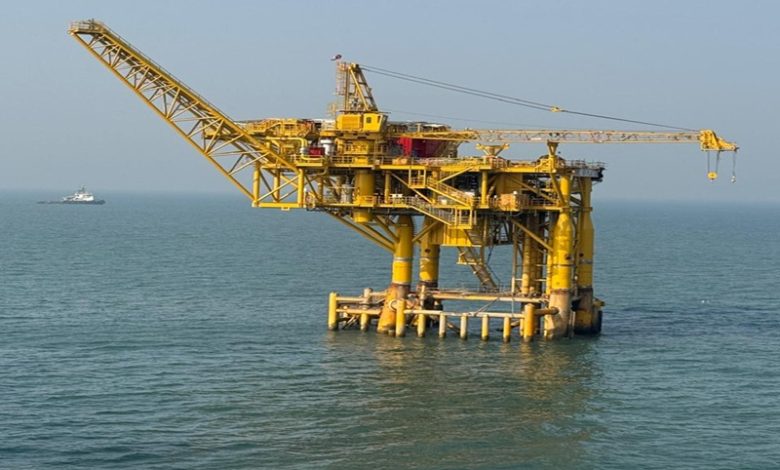
ONGC’s latest offshore move has landed at a sensitive time for India’s energy story. The company has started gas production from its Daman Upside Development Project in the Arabian Sea, with gas already flowing from Platform B-12-24P to the Hazira plant. That makes this more than a project update. It is a reminder that every fresh unit of domestic gas matters when supply chains stay exposed to global tension.
A Fresh Offshore Win For ONGC
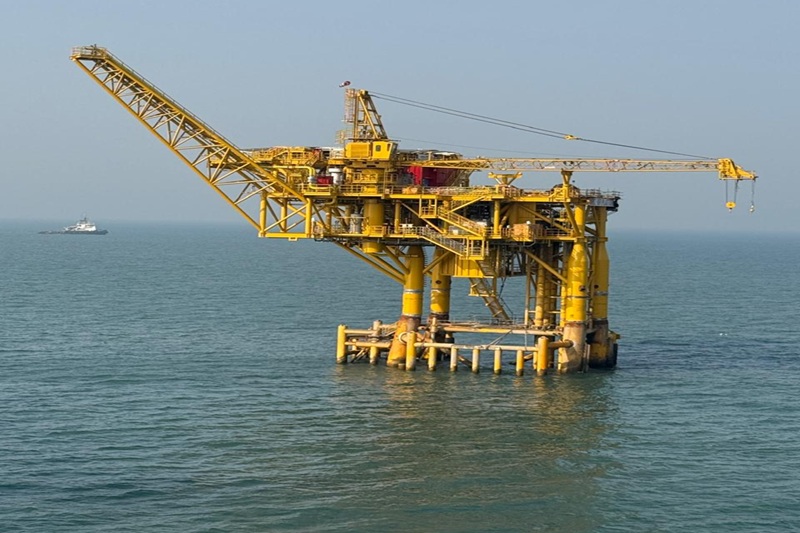
ONGC said the milestone was achieved on March 29, 2026, when gas monetisation began through Platform B-12-24P. The project sits about 180 km northwest of Mumbai and around 80 km south of Pipavav, Gujarat. It was executed in less than two years from the date of award, which gives the rollout added weight because offshore timelines do not usually move this fast. ONGC also flagged the development on its official X account, which helped push the story quickly across business and energy circles.
Why The Daman Project Is Bigger Than One Platform
The Daman Upside Development Project is designed to produce 21.5 billion cubic metres of gas. It uses four new wellhead platforms and around 140 km of pipelines to move gas to Hazira. ONGC expects the field to reach peak production of about 5 million standard cubic metres per day, with output rising in phases as more wells come online. That makes this one of the more closely watched domestic gas additions of the year.
Why Markets Are Watching The Ramp-Up
The real test now is not the start, but the scale-up. ONGC has not disclosed the current flow rate, so traders, downstream buyers, and policy watchers will now track how fast the project reaches stable higher output.
What It Means For India’s Energy Position
This launch comes when India is trying to hold energy supplies steady despite wider regional disruption. Government data released in March said India’s total natural gas consumption is about 189 MMSCMD, with 97.5 MMSCMD produced domestically, while 47.4 MMSCMD of supply had been affected by force majeure conditions. In that setting, new domestic production does not solve everything, but it improves flexibility and reduces some pressure on imports.
The Trendy Angle: Domestic Gas Is Back In Focus
The Daman story fits a bigger trend. India is again pushing domestic gas, piped gas expansion, and supply security into the same conversation. That is why this project is getting attention beyond the oil and gas sector. For policymakers, it supports resilience. For ONGC, it strengthens execution credibility. For India, it signals that offshore assets are still central to the energy mix, not old legacy bets.
FAQs
What is the Daman project?
An ONGC offshore gas project in the Arabian Sea linked to production and supply infrastructure.
When did gas production begin?
ONGC said gas monetisation began on March 29, 2026, through Platform B-12-24P in Arabian Sea.
How much gas can the project produce?
The project targets 21.5 billion cubic metres, with peak output near 5 MMSCMD later.
Where will the gas be sent?
Gas from the platform is being routed through pipelines to the Hazira processing plant.
Why does this matter for India?
More domestic gas can improve supply flexibility and reduce pressure during import disruptions.
Trending Topics Worth Exploring
Why Penguin Trend Linked Climate?
Explore science behind viral discussion.
Which Goa Beaches Cleanest 2026?
Discover top shores ranked today.
Is AI Homes Future Ready?
Check must-have smart devices.