The Year Olive Ridley Turtle Eggs Increase Over 50% Thanks To Conservation
With Olive Ridley Turtle Eggs Increase Over 50% Thanks To Conservation Efforts, coastal teams report better nest safety, improved monitoring, and rising hatch success.

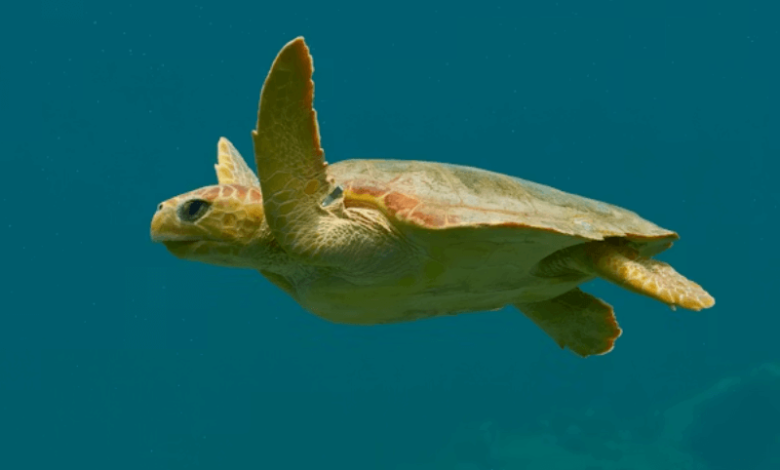
A beach patrol ended its night shift with salt on the lips and sand stuck in shoes. And then the numbers came in. Olive Ridley turtle eggs logged on key nesting stretches rose over 50%, a rare kind of good news. Conservation efforts did not look fancy, just steady work, night after night, and a bit of stubbornness. Officials and local teams called it a strong season, with better nest safety and fewer losses.
What Led to the 50% Increase in Olive Ridley Turtle Eggs?
The rise did not come due to one big move. It came due to small fixes done daily, without gaps. Patrol teams covered nesting hours, mainly late evening to early morning, when the beach cools and the tide noise masks movement. That timing mattered because egg-laying happens fast, and even one wrong torch angle can send a turtle back.
What changed on the ground
- Stronger beach control: temporary ropes, clear signs, and quiet zones near fresh nests
- Smarter crowd handling: tourists still walked the shore, but staff redirected them at the right moments
- Better nest management: quick marking, basic record keeping, and limited shifting of high-risk nests to guarded hatchery areas
- Hatchery care: sand checks for moisture and temperature swings to protect hatch rates
- Fisher outreach that stayed practical: safer net habits, less nearshore trawling during peak nesting, faster reporting of sightings
Not fancy work. Just steady work, night after night.
Where the Increase Was Recorded: Key Conservation Sites
The strongest rises were reported along protected nesting belts in South Asia, including sections of the Bangladesh coast and mass-nesting zones linked with India’s eastern shoreline. These areas already hosted Olive Ridley activity. The difference came in enforcement and tracking. And yes, tracking sounds boring, but it keeps projects honest.
Below is a quick field-style snapshot used by many teams during season reporting.
| Key Site Type | What Was Observed This Season | What Teams Did Differently |
| Guarded public beach stretches | Higher nest counts, fewer trampled nests | Night patrols, marked safe corridors, controlled lighting |
| Community-managed nesting points | More egg protection, fewer theft incidents | Local watch groups, quick nest marking, shared reporting |
| Hatchery-supported zones | Better hatch success in risky sections | Limited relocation, sand monitoring, predator barriers |
Local conservation workers mentioned another detail that rarely gets attention. Clean-up drives. Plastic, rope bits, and sharp waste can block a nesting path. Clearing that mess reduces “false crawls”, those sad tracks that end with no nest.
Why Olive Ridley Turtles Needed Conservation Support
Olive Ridley turtles face pressure at every stage. Eggs get taken. Nests get crushed by vehicles, cattle, careless walking, even beach events. Hatchlings struggle with predators, bright lights, and uneven sand. Adults deal with fishing nets and coastal activity.
It feels strange sometimes, how fragile the early stage is. A nest can hold over a hundred eggs, yet a single night of disturbance can ruin it. Also, climate shifts change sand temperature and moisture. Too hot, too dry, too wet, and development suffers. Teams keep saying “protect the beach”, but that line hides a lot of daily work.
Another headache is unmanaged tourism. Visitors mean income for towns. But unmanaged crowds mean noise, flash photos, and people getting too close for the perfect clip. That is not evil, it is human behaviour. Conservation plans have to work with that reality.
How Conservation Efforts Are Transforming Ocean Ecosystems
When egg numbers rise, the first benefit is simple. More hatchlings reach the sea. That does not mean all survive, nature does its own filtering, but the starting line matters. A stronger hatch output supports long-term population stability, which helps coastal ecosystems stay balanced.
Sea turtles affect the marine environment in quiet ways. They influence food chains, nutrient movement, and even beach health through nesting. More nesting also brings attention to beach cleanliness and night management. Those changes help other species too, not only turtles.
There is also a social effect. Communities involved in hatchling releases often take pride in the work. A child watching a hatchling scramble toward the waves remembers it. And later, that child tells adults to keep the beach cleaner. Small cycle, real impact.
Global Learnings from This Conservation Success Story
The pattern looks clear across successful sites. Consistent patrol, basic science, local buy-in, and quick response. Not big speeches. Not fancy tech alone. Just systems that run even when it is humid, late, and everyone wants to go home.
One practical lesson is lighting control. Coastal lights confuse hatchlings, pulling them inland. Teams used shielded lamps, low-glare torches, and community agreements to reduce bright beachfront lighting during peak weeks. Another lesson is beach access control. Limiting vehicles and creating “quiet lanes” improved nesting outcomes.
And a small rant, since it needs saying. Short-term campaigns look good on posters, but turtles need long seasons of care. Funding cycles often work on quick wins. That mismatch causes trouble.
What Comes Next for Olive Ridley Turtle Conservation?
The next step is keeping the momentum without burning out staff. Conservation work gets tiring. Night duty, heat, insect bites, and constant arguments with rule-breakers. So planning needs rotation schedules, better equipment, and steady support for local groups.
Teams also aim to improve data quality. Better nest mapping, clear hatch success records, and consistent reporting across sites can show what works best. Also, early coordination with fisheries before the nesting peak reduces conflict later.
Education will stay central, but messaging needs to stay grounded. People respond better to “this nest area stays quiet at night” than to long lectures. Simple. Direct. Repeat it enough times, it sticks.
FAQs
1) What does an “over 50%” rise in Olive Ridley turtle eggs actually mean in field reports?
It usually means counted nests or protected eggs increased sharply compared to earlier seasons on the same monitored beaches.
2) How do conservation teams protect turtle nests without disturbing natural nesting behaviour?
They keep distance, limit light, mark nest zones quietly, and intervene only when a nest faces immediate high risk.
3) Why do hatchlings get disoriented near towns and beach resorts during nesting season?
Bright artificial lights pull hatchlings inland, away from sea reflection cues, so lighting control becomes a practical fix.
4) What roles do local fishing communities play in improving Olive Ridley nesting outcomes?
They share sightings, reduce risky nearshore activity during peak weeks, and support reporting systems that protect nesting stretches.
5) What can coastal visitors do to avoid harming Olive Ridley turtle eggs during beach trips?
Avoid flash photos at night, keep clear of marked nest zones, reduce noise near nesting areas, and never drive on beaches.