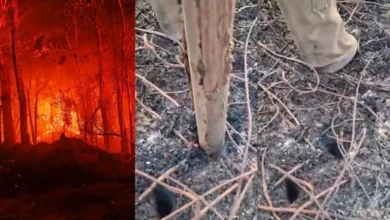

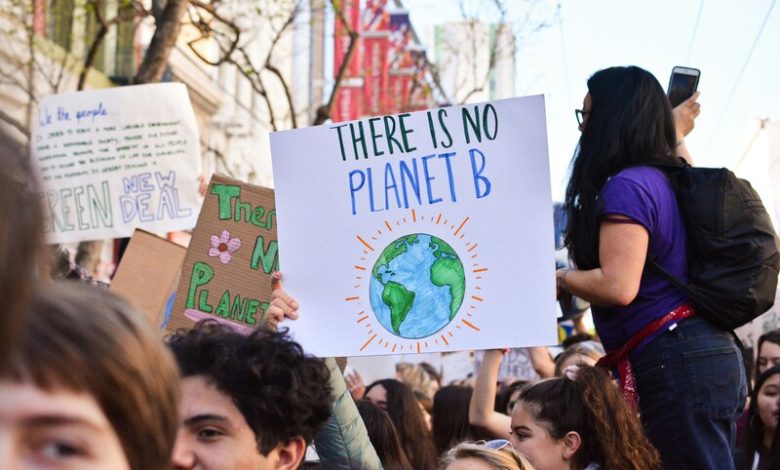
“For many young people in 2025, the future feels like a storm cloud hovering just above their dreams.” Rising temperatures, unpredictable floods, and relentless wildfires aren’t distant threats, they are shaping their daily lives, career choices, and even relationships. This growing unease, known as climate anxiety, goes beyond worry; it’s a deep emotional response to a planet that feels increasingly fragile.
Living Between Today and Tomorrow
Every day, young people navigate a tension between living fully in the present and worrying about the world they will inherit. Social media offers glimpses of hope through communities and Instagram accounts showcasing youth-led environmental action—but constant exposure to disasters can amplify stress, leaving many feeling powerless.
Turning Anxiety into Action
To cope, young people are channeling their fear into meaningful action. Some join local environmental projects, plant trees, or advocate for policy change. Others adopt sustainable habits like reducing waste, supporting eco-friendly products, or embracing plant-based diets. While these steps may seem small, they create a sense of agency, a way to reclaim control in a world that often feels chaotic.
Mental Health and Support Systems
Mental health practices such as meditation, therapy, and eco-support groups help young people process emotions, manage stress, and balance fear with hope. Feeling part of a supportive community reassures them that they are not facing these challenges alone.
Technology as a Tool for Hope
Apps that track personal carbon footprints, online platforms promoting eco-living, and inspiring documentaries allow youth to see that their choices today can shape the world they will inherit tomorrow. Technology is turning anxiety into empowerment, bridging the gap between concern and action.
Finding Strength in Concern
Ultimately, climate anxiety in 2025 is both a burden and a compass. It reflects deep care for the present and a yearning to protect the future. By channeling fear into action, young people are learning that hope isn’t passive, it’s built through conscious choices. Even amid uncertainty, their courage and determination are sowing seeds for a sustainable world.