Ocean COP Briefing: The Event, the Power Players, the Seats
The first Ocean COP is coming. Learn what “Ocean COP” actually means, who gets a seat in the negotiations, and how the decisions taken will shape global ocean policy.

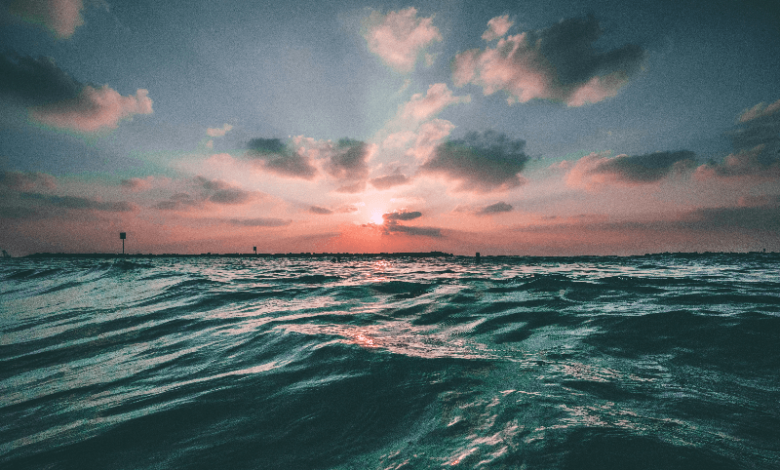
“Ocean COP” is shorthand for the first Conference of the Parties under the UN High Seas Treaty (the BBNJ Agreement). It is where the treaty turns into a working system: rules of procedure, budgets, scientific bodies, compliance machinery, and the first pipeline for high-seas Marine Protected Areas and environmental impact assessments.
Campaigners have been talking about “the first Ocean COP in 2026,” and Germany’s environment ministry has noted that August 2026 and January 2027 are among the dates being discussed, depending on when the treaty enters into force.
Why It Matters And Who Can Vote
The power question is simple: only Parties, meaning countries that have ratified the treaty, get decision-making rights at the COP. That is why recent reporting has warned that slow domestic ratification could leave some states effectively “shut out” of the first round of rule-setting that will shape how protections, impact assessments, and benefit-sharing work.
To see how the issue is being framed in real time, here’s an official post pushing the 2026 countdown.
Who Gets In The Room Besides Governments
Even if only Parties vote, the room is wider than diplomats. Expect accredited observers: UN agencies, scientists and research networks, conservation NGOs, Indigenous and local community representatives, and industries with direct stakes such as shipping, fishing, and emerging marine biotech.
The practical “seat at the table” often comes down to speaking slots, access to draft text, and transparency rules.
The Trendy Watchlist For 2026
Watch three storylines: the ratification race (who qualifies as a Party), early MPA candidates that could become test cases, and the tug-of-war over “use” versus “protection” in areas beyond national jurisdiction.