How Extreme Rain Turned Oahu Into A Multi-Risk Disaster
Extreme rain pushed Oahu into chaos with flood rescues, dam fears and infrastructure failures. Explore how one storm triggered a multi-risk disaster across Hawaii.

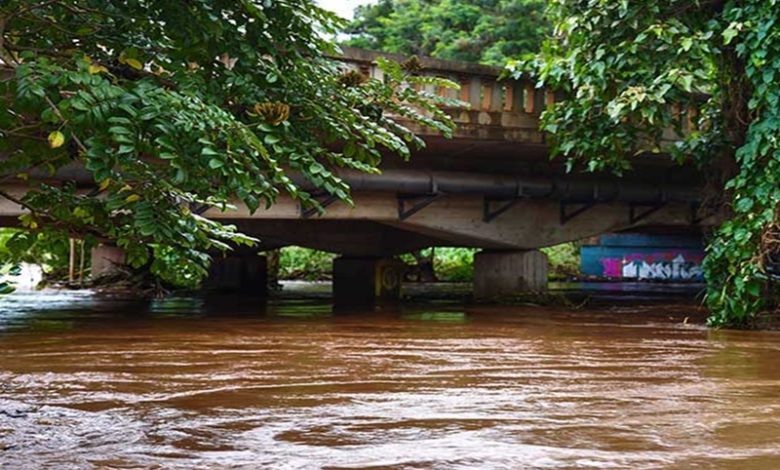
Oahu’s flooding crisis was never just a rain story. It became a chain reaction: flood rescues, evacuation orders, dam anxiety, road failures, power cuts, wastewater problems and a growing debate over how much strain Hawaii’s aging systems can still take. After back-to-back Kona low storms soaked already saturated ground, water moved faster than neighborhoods, emergency crews and drainage networks could handle. Officials said more than 230 people were rescued, around 5,500 residents were told to evacuate in North Shore communities, and statewide damage could top $1 billion.
Rescues Came First, Because Water Rose Too Fast
The most dramatic scenes unfolded on Oahu’s North Shore, where floodwater swept through Waialua and Haleiwa, lifting homes, trapping families and forcing large-scale rescues. Among the most striking operations was the airlift of dozens from a youth camp, a reminder that in island disasters, access can disappear in minutes. Even with no reported fatalities in the immediate aftermath, hospitalizations for hypothermia and neighborhood-wide isolation showed how quickly a weather emergency can become a life-safety crisis.
Wahiawa Dam Became The Most Dangerous Pressure Point
Rain alone was frightening; the real panic came when the 120-year-old Wahiawa Dam neared critical levels. Officials warned of possible failure, and that threat pushed evacuations with unusual urgency because a dam emergency can multiply flood damage far beyond the original storm path. Water levels later eased, but the episode exposed a bigger problem: Hawaii has long known some critical infrastructure is old, vulnerable and expensive to fix. In this storm, the dam became the symbol of that wider fragility. Reuters on Instagram reported Oahu’s worst flooding in over 20 years.
Roads, Power And Water Systems Also Started To Strain
The flooding story widened as infrastructure stress spread beyond the dam. Roads were submerged or cut off, power outages hit thousands, and wastewater overflows contributed to boil-water concerns on parts of Oahu. On the South Shore, even neighborhoods like Manoa saw streets turn into channels after fresh downpours, showing the danger was not limited to one district. This is what makes the event multi-risk: one storm system triggering transportation, utility, public-health and emergency-management failures at once.
The Bigger Story Is About Climate And Preparedness
What happened on Oahu also fits a larger pattern. Meteorologists linked the event to Kona low systems, but repeated reporting from officials and experts stressed that warmer conditions are helping extreme rain hit harder. Add saturated soil from an earlier storm, dense development and older infrastructure, and the island becomes more exposed to cascading failures. The cleanup now includes mud-filled homes, damaged farms, schools and hospitals, but the harder question comes next: whether Hawaii rebuilds for the last storm or the next one. Related coverage and updates can be tracked through AP, Reuters and the Hawaii governor’s emergency briefings.
FAQs
Why was Oahu flooding so severe?
Back-to-back Kona storms hit saturated ground, causing rapid runoff, overwhelmed streams, blocked roads and neighborhood flooding.
How many rescues were reported?
Officials reported more than 230 rescues statewide, mostly on Oahu, as floodwaters trapped residents quickly.
Why did the dam become such a concern?
Wahiawa Dam neared dangerous levels, raising fears that structural failure could intensify already catastrophic flooding.
What infrastructure problems appeared during the disaster?
Flooding disrupted roads, electricity, wastewater systems and drinking water safety, revealing cascading infrastructure vulnerabilities statewide.
What is the long-term lesson from this event?
Hawaii needs faster upgrades, smarter drainage planning and climate-ready infrastructure before extreme rain returns again.