
Introduction
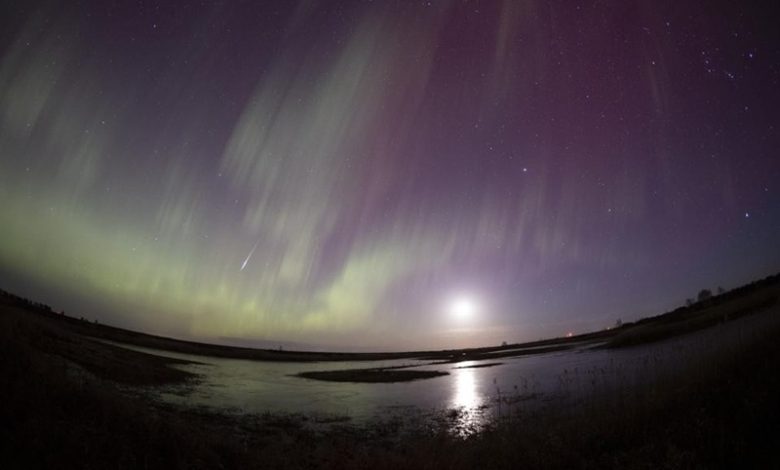
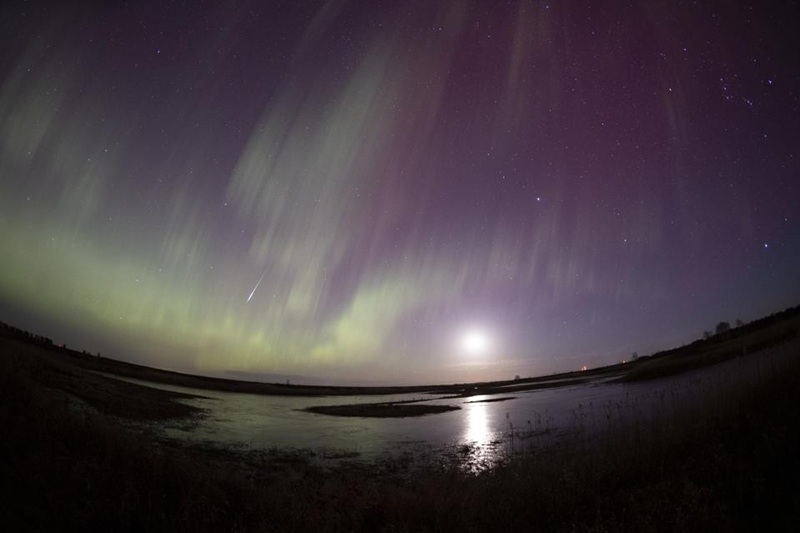
Due to an increase in solar activity, a geomagnetic storm caused by a coronal mass ejection from the Sun will provide an extremely rare opportunity for many residents throughout much of the continental U.S. to see the aurora borealis (Northern Lights) on Sunday. The auroras could be visible by as far south as Northern Kentucky, Northern Arkansas, and Northern West Virginia.
What Is Causing the Northern Lights This Weekend?
One reason the aurora borealis will be seen in states across the U.S. this weekend is because of a coronal mass ejection from the Sun. As the particles ejected from the Sun pass through space and come into contact with Earth’s atmosphere, they create a geomagnetic storm. The geomagnetic storm causes the aurora borealis to be seen outside of their usual locations near the poles.
Best Time to Watch the Northern Lights
The best time to view the northern lights will occur between 10:00 p.m. and 2:00 a.m., making this the optimal time to view the aurora borealis as the sky is at its darkest. When viewing the auroras, residents in areas where they can be seen should look toward the northern horizon.
How the Northern Lights Form
Auroras are formed when charged particles (solar particles) collide with gases in the upper atmosphere of earth, producing a release of energy in the form of light. The varying colors of the aurora come from the varying types of gases that have been impacted by the solar particles. Oxygen produces green and red colors, and nitrogen produces blue and purple colors.
States Expected to See the Northern Lights
If conditions remain favourable, skywatchers in the following 10 northern U.S. states may catch a glimpse:
- Alaska
- Washington
- Idaho
- Montana
- North Dakota
- South Dakota
- Minnesota
- Wisconsin
- Michigan
- Maine
In some cases, faint auroras could even extend into nearby states like New York or Vermont if geomagnetic activity intensifies.
Tips for Better Viewing
If you want to see the greatest chance of seeing auroras, then find an area away from any city lights where there is a good dark spot and your sky is reasonably clear. If you allow your eyes to get used to the dark for at least 15 minutes you have a much better chance to see any weak auroras that may occur. If you use a camera with a long exposure setting it may be possible to capture some of the details of an aurora that you would not be able to see with your own eyes.
Unpredictability of Aurora Events
Although forecasts may tell you that the likelihood of a strong aurora is high, you cannot count on seeing an aurora for many reasons including weather (cloud cover), when, and solar wind strength at the time of your viewing. By checking live updates to space weather you may get a better sense of what time you’ll have a good chance of seeing an aurora.
FAQs
1. What are the Northern Lights?
The Northern Lights, or aurora borealis, are natural light displays caused by interactions between solar particles and Earth’s atmosphere.
2. Why are they visible in the U.S. this time?
Increased solar activity has triggered a geomagnetic storm, pushing the aurora farther south than usual.
3. What time is best to see the aurora?
The best time is typically between 10 PM and 2 AM when the sky is darkest.
4. Can the Northern Lights be seen with the naked eye?
Yes, but visibility depends on brightness and conditions. In some cases, they may appear faint without a camera.