
Why Is Kanpur Seeing Drizzle And Cloud Cover This Weekend? Western Disturbance And Local Weather Shift Explained
Light rain and cloud cover in Kanpur are linked to a fresh western disturbance. Understand the weather shift, expected changes, and what residents may notice next.

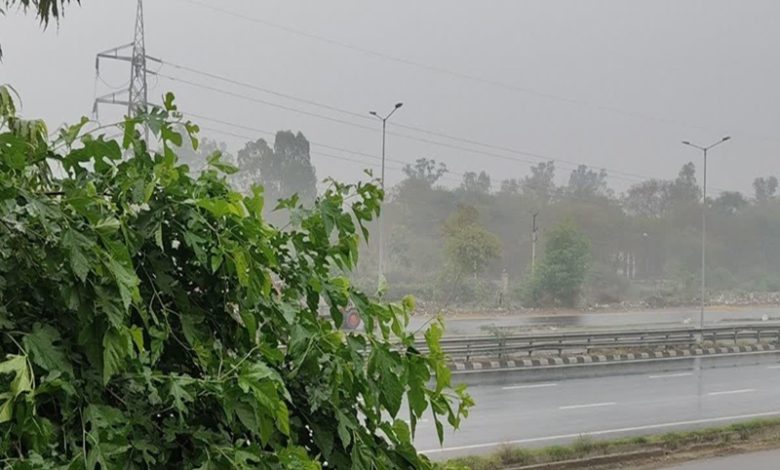
Kanpur’s grey skies this weekend are not a random local blip. They are part of a wider north Indian weather swing linked to a fresh western disturbance moving across the region. The India Meteorological Department’s Uttar Pradesh bulletin said the earlier disturbance had weakened over the state, but a new upper-air system over Iran and the Caspian side was lining up behind it, keeping conditions unsettled for nearby plains as March closes. IMD’s Kanpur city forecast also points to a cloudy, light-rain pattern around March 30 and 31, which fits the shift many people are already feeling on the ground.
What Is Driving Kanpur’s Weekend Weather Change?
The main reason is moisture and instability spilling eastward from the western disturbance belt. In plain terms, that means high clouds spread first, then thicker cloud cover, then patchy drizzle or very light rain where local conditions support it. A Kanpur weather report cited by local media said isolated drizzle was possible on March 27 and 28, along with thundercloud build-up and north-westerly winds. That matters because Kanpur has also been running warm, so once clouds increase, daytime heating drops and the weather starts feeling softer, dimmer, and more humid than a normal late-March afternoon.
Why The Sky Looks Heavier Even When Rain Stays Light
This is the part many people notice first. The cloud shield can arrive before proper rain does. So even if rainfall totals stay low, the city still gets a dull sky, cooler afternoons, and that brief drizzly feel. IMD’s local forecast for Kanpur shows “generally cloudy sky with light rain” on March 30 and March 31, after a partly cloudy to clearer phase on March 28 and 29. That suggests the weekend transition is part of a broader weather reset, not just a one-hour passing patch. IMD update on X.
What Residents In Kanpur Should Expect Next
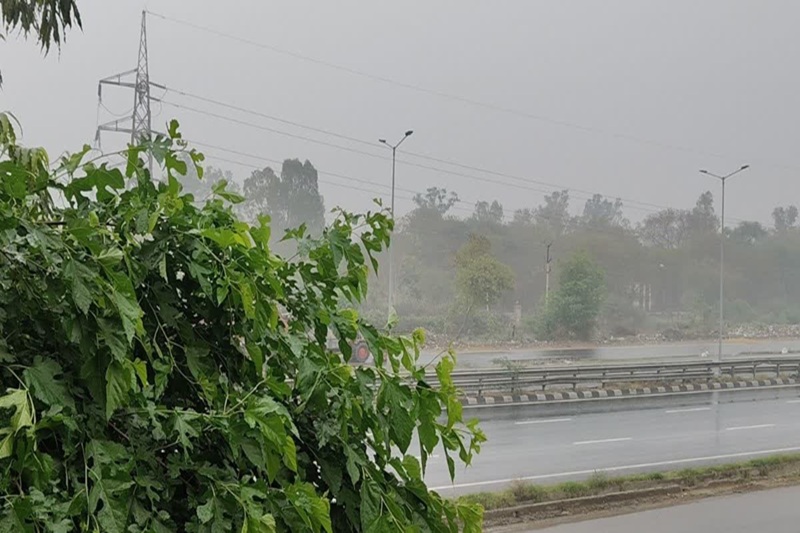
The most likely pattern is on-and-off cloud cover, a slight dip in day temperatures, and a chance of light rain rather than a major storm. The UP state bulletin also recorded recent temperature drops across the Kanpur division, showing the atmosphere has already responded to the changing setup. So the weekend story is less about heavy rain and more about a local weather turn: heat easing, sunlight getting blocked, and the city moving into a short cloudy spell before conditions open up again next week.
FAQs
Why is Kanpur cloudy this weekend?
A fresh western disturbance is pushing cloud bands and mild instability across the region.
Will Kanpur get heavy rain?
No major spell is signalled yet, mainly light rain or brief drizzle.
Why does drizzle happen without strong rain?
Low moisture pockets and thick clouds can produce light precipitation without full storms.
Will temperatures fall in Kanpur?
Yes, cloud cover usually trims daytime heat and makes afternoons feel cooler.
How long may this weather change last?
Mostly short term, with improvement likely after this cloudy late-March phase.