Milan Air Quality Mystery: Why Hot Sunny Days Raise Ozone Levels
Milan’s bright summer skies can hide rising ozone pollution. Learn how heat, sunlight, and traffic emissions combine to trigger ozone alerts across the city.

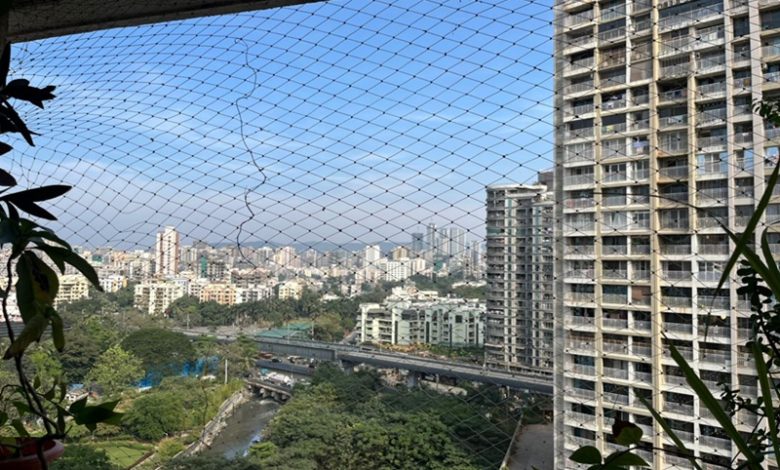
A bright summer day in Milan can look harmless, even inviting. Blue sky, dry heat, and strong sun usually feel better than winter smog. But that same weather can push ozone pollution higher, which is why summer air alerts in and around Milan still matter. Ground-level ozone is not released directly from one chimney or one exhaust pipe. It forms when sunlight cooks a mix of nitrogen oxides and volatile organic compounds from traffic, industry, solvents, and other sources. That is why a “clear” day can still become an unhealthy one.
Why Heat And Sun Make The Problem Worse
Ozone is a summer pollutant because it needs light and heat to build. The European Environment Agency says ozone forms when heat and sunlight trigger reactions between nitrogen oxides and VOCs, including methane. That makes hot, bright afternoons the danger window, not dark or rainy hours. ARPA Lombardia reported in June 2025 that persistent anticyclonic weather and strong solar radiation helped cause a widespread ozone exceedance episode across the region, including near Milan.
Milan’s Geography Does Not Help
Milan sits inside the wider Po Valley system, and that geography works against fast pollution clearing. ESA describes the Po Valley as a natural basin, bordered by the Alps and the Apennines, where pollutants can build up under stagnant conditions. In winter that often means particulate pollution. In summer, the same setup can support elevated ozone when precursor gases stay in the air long enough to react under strong sunlight. So even if the city breeze feels mild, the atmosphere above the region may still be doing the chemistry that drives an alert.
Why “Cleaner” Looking Air Can Still Be Unhealthy
This is the part that confuses people. Ozone is not always visible like haze or smoke. You can have decent views, less obvious smog, and still get air-quality warnings. ARPA Lombardia’s guidance during the June 2025 episode advised people, especially children, older adults, and those with respiratory issues, to reduce outdoor activity during the strongest sunlight hours, usually from 12 to 4 p.m. That advice is practical because ozone tends to peak later in the day after sunlight has had time to work on traffic and industrial emissions.
The Summer Risk Is Becoming Easier To Notice
Across Europe, ozone is increasingly discussed during heat events, not just in classic smog stories. The EEA’s 2025 status report says the highest concentrations in 2023 were found in places including Italy, while ozone and its precursor pollutants can also travel long distances. That means Milan’s ozone story is both local and regional. During hot spells, what happens on Milan’s roads matters, but so do broader weather patterns, transport of pollutants, and the background chemistry of the season.
What Milan Residents Should Watch On Alert Days
The biggest mistake is judging risk by how pretty the sky looks. On hot days, check the local monitoring bulletin, avoid intense outdoor exercise in early afternoon, and pay more attention if you have asthma or other breathing issues. ARPA Lombardia notes that ozone episodes often ease only when weather conditions change. Even official climate and air agencies have highlighted this pattern, including this Copernicus Atmosphere post on X about summer ground-level ozone peaks. In Milan, sunshine is not always a health signal. Sometimes it is a warning.
FAQs
1. What is ground-level ozone?
It is a harmful air pollutant formed when sunlight reacts with traffic and industrial gases.
2. Why does ozone rise in summer?
Strong sunlight, high temperatures, and stagnant air speed up the chemical reactions that produce ozone.
3. Is ozone the same as visible smog?
No, ozone can stay high even when the sky looks blue and relatively clean.
4. When is ozone usually worst during the day?
Levels often peak from midday into late afternoon, especially during hot, bright summer weather.
5. Who should be most careful on ozone alert days?
Children, older adults, athletes, and people with asthma or lung disease face higher risk.