Why Ludhiana Is Cracking Down On Bulk Waste Generators: Hotels, Hospitals And The Polluter-Pays Push Explained
Ludhiana Bulk Waste Crackdown

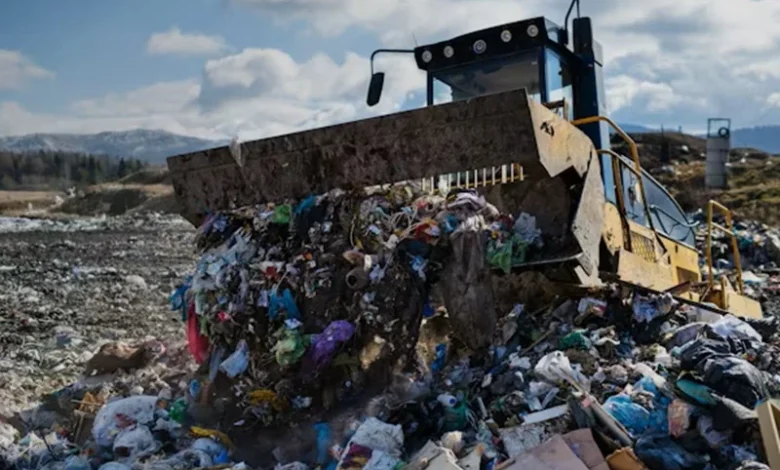
Ludhiana’s latest waste crackdown is not random, and it is not just about cleaner streets. It is part of a bigger shift that began after India’s new Solid Waste Management Rules, 2026 were notified in January and came into force on April 1, 2026. Those rules make large waste producers directly responsible for what they throw out, and Ludhiana is now moving to identify the hotels, hospitals, schools, malls, and marriage palaces that have stayed outside the system for too long.
What Changed Under The New 2026 Rules?
The new rules made four-way segregation mandatory: wet waste, dry waste, sanitary waste, and special care waste. They also tightened the definition of a bulk waste generator. Any entity with at least 20,000 square metres of floor area, 40,000 litres of daily water use, or 100 kg of waste per day now falls under this category. That matters because it shifts waste handling from a casual civic issue into a legal duty. PIB India also flagged this rules overhaul on its official X account, which helped push the update into wider public view.
Why Hotels, Hospitals, And Big Campuses Are In Focus
These institutions generate steady, mixed waste every day. Wet kitchen waste, packaging, biomedical-adjacent streams, disposable items, and sanitary waste can pile up fast when segregation fails. According to the Ludhiana sweep now underway, the Municipal Corporation had earlier identified only 31 bulk generators, including Fortis, DMC, CMC, Hyatt Regency, Park Plaza, MBD Mall, and Punjab Agricultural University. Officials believe the real number is much higher, which is why the city has ordered a fresh survey.
Must-Read Articles
1.Are Small Homes the Future Trend?
Explore how compact living is becoming a smarter, sustainable lifestyle choice worldwide.
2.Is Indoor Air Quality Affecting You?
Discover how indoor plants can naturally improve your air and overall well-being.
3.Why Is Karachi Facing Weather Risks?
Check how unseasonal storms and flooding are exposing urban vulnerabilities this March.
4.What Makes Socotra Feel Like Another Planet?
Explore the island’s alien landscapes and rare Dragon’s Blood trees that amaze visitors.
5.What Wildlife Thrives in Kerala Backwaters?
Discover the rich mix of birds, aquatic life, and mangroves in this unique ecosystem.
How The Polluter-Pays Model Actually Works
This is the part many cities avoided earlier. Under the 2026 rules, bulk generators must process wet waste on site as far as possible through composting or bio-methanation. If older institutions do not have enough space, they can seek exemption and buy Extended Bulk Waste Generator Responsibility certificates, which fund equivalent treatment elsewhere. The rules also allow environmental compensation for non-compliance, false reporting, and poor waste practices. In plain words, if you create the mess, you pay for the system needed to manage it.
Why The Pressure Feels Stronger In Ludhiana Right Now
Ludhiana is under pressure to show results. In January 2026, the National Green Tribunal imposed a ₹1.54 crore fine on the Municipal Corporation over improper waste management and legacy waste failures. The city has also been pushing a broader integrated waste management plan, so this crackdown looks less like a one-day drive and more like a compliance reset. The harder question now is execution, because past local cleanup experiments have struggled with space, odour complaints, and weak follow-through.
What This Means For Ludhiana Next
For residents, this could mean cleaner collection chains if big institutions stop dumping mixed waste into the same civic stream. For businesses, it means registration, segregation, audits, and new costs. For the city, it is a test: can Ludhiana finally move from landfill pressure and patchy enforcement to a system where waste is tracked, processed, and paid for at source? That is the real story behind this push.
FAQs
1. What is a bulk waste generator?
A large property or institution generating heavy daily waste, water use, or floor-space load.
2. Why is Ludhiana targeting hotels and hospitals?
Because they create large, regular, mixed waste streams that strain city disposal systems.
3. What does polluter-pays mean here?
Waste creators must fund treatment, penalties, or approved off-site processing for their garbage.
4. Do all bulk generators need on-site processing?
Wet waste should be processed on site where possible, else certificates are needed.
5. Is this only a Ludhiana rule?
No, it comes from India’s national Solid Waste Management Rules, 2026 framework.