
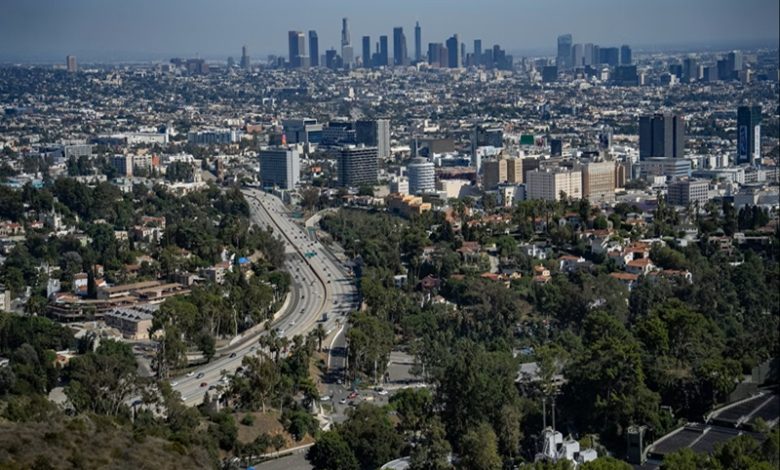
Los Angeles has one of the highest levels of climate exposure in the U.S. and is subject to a variety of events, including extreme heat, local flooding, droughts, and the threat of wildfires, and it is important to choose a safe location. A large proportion of Los Angeles’s buildings are subject to climate hazards (including fires and floods) creating a disparity in terms of climate safety across Los Angeles’s neighbourhoods.
This article compares the best and worst locations in Los Angeles based on building elevation, wildfire threat, heat threat, and quality of infrastructure.
Best Areas in Los Angeles for Climate Safety
1. Santa Monica
Santa Monica possesses significant advantages in terms of being cooled by the ocean and having better infrastructure than inland communities. The ocean cools down areas around Santa Monica, creating the most comfortable areas during a heatwave. Santa Monica has better urban design, including emergency management systems, than most of the inland communities.
2. Culver City
Culver City has a good balance of low wildfire risk combined with moderate heat risk. Located away from hillside fire-prone areas, Culver City is a well-planned area and has good infrastructure.
3. Torrance
Torrance is another climate stable city located within the South Bay region, and it has both good coastal airflow and a low-level wildfire exposure. There is little to no heat from inland areas, and there are no areas of high risk() due to extreme heat.
4. Long Beach (Select Inland Areas)
Most of Long Beach is located on the coast, with only limited areas located inland, primarily in the east portion (towards Wilmington/Carson), and has high-quality infrastructure.
Worst Areas in Los Angeles for Climate Safety
1. Malibu
Malibu is one of the highest-risk wildland urban interfaces in Los Angeles. It is located in hilly portions of Los Angeles that have heavy vegetation cover, making them susceptible to rapid fire spread when the weather is hot and windy.
2. Pacific Palisades
Pacific Palisades contains areas that have both wildland fire risk and significant geohazards from mudslides and mudflows. Many of these hillside areas can be prone to mudslides and mudflows as a result of heavy rainfall following a wildfire.
3. Hollywood Hills
Hollywood Hills are at a very high risk of wildfires because of their topography, location relative to the surrounding vegetation, and proximity to the thousands of people who inhabit the hillsides. The wildland urban interface is an area where the greatest potential exists for fire.
4. San Fernando Valley (Certain Parts like Van Nuys, Reseda)
The San Fernando Valley has certain areas that are prone to extreme heat risk. These areas experience much less coastal influence than other parts of the valley and have greater density of concrete development (both factors will likely result in higher temperatures during the summer months).
Final Insight
The safest places to live in Los Angeles are almost always on the coast, well designed and are far from hills or extremely urban heat sources. In contrast the riskiest areas to live in LA are generally located in hillside communities that are at risk for wildfire or inland areas with extreme heat and limited vegetation.
FAQs
1. What climate risk is the most significant in Los Angeles?
In Los Angeles, the most significant impacts from climate change are from heat waves/extreme heat, drought, and wildfires.
2. Are coastal locations safer than inland locations in LA?
Coastal areas are safer than inland areas because the coastal areas tend to have cooler temperatures and a lower risk of wildfires.
3. Where are the most vulnerable wildfire zones located?
Wildfire hotspots include the areas of Malibu, Pacific Palisades, and the hillside communities above all of the cities.
4. Why are inland cities hotter than coast cities in Los Angeles?
In inland cities, the air is not cooled by the ocean, and there are many surfaces that will continue to radiate the heat; as a result, the temperature in inland cities remains higher than that of cities on the coast.
Environment Insights You Should Read
Why Indoor Air Quality Important?
Explore how plants improve air.
Why Tropical Plants Bloom Changing?
Discover impact on farming cycles.
How Warming Reshapes Coastal Living?
Check risks for island communities.