Why Landfills Are a Hidden Climate Threat Pressing on Urban Edges
Why landfills are a hidden climate threat connected to food waste, loose monitoring and fast-growing cities. Methane keeps building while oversight moves slowly.

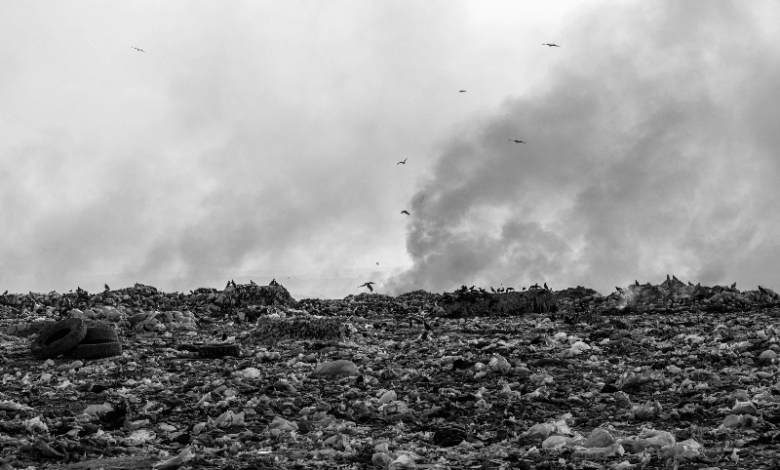
Morning mist hangs over a suburban dump, sweet-sour smell in the air, gulls screaming. Reporters tend to chase smokestacks, yet landfill methane emissions keep rising quietly. This is landfill climate change in slow motion, driven by waste and greenhouse gases with weak oversight. Talk is growing about landfill gas capture and landfill methane reduction. Not fast enough, honestly. That’s how it looks from the ground.
How Landfills Create Greenhouse Gases
Trucks tip fresh loads. Food scraps, paper, garden cuttings. Oxygen fades inside the heap. Anaerobic bacteria take over, breaking organics into methane and carbon dioxide. The gas moves upward through warm, wet pockets, then slips out through cracks or pipe joints. Some sites install wells and flares, some run engines, many still leak. A windy afternoon can smear the smell across nearby lanes. Crews know the sound of a hissing joint when they hear it. Small things tell the story.
Why Landfills Are a Hidden Climate Threat
The danger rarely shows up on a skyline. Emissions peak years after burial, long after ribbon cuttings and budget hearings. Numbers often rely on models that assume tidy capture rates. Real sites have torn liners, clogged wells, shifting cover soil. Food waste stacked deep keeps feeding gas long after headlines move on. Satellites pass spot hot plumes one week, nothing the next. So much depends on temperature, moisture, timing. Feels messy, because it is.
Global Landfill Emission Statistics
Officials track totals, though gaps remain. Cities with rising incomes throw out more food and packaging, so methane grows. Warmer regions see faster decay, quicker gas release. Older dumps without controls still sit on the edge of towns. People smell it on still nights. The pattern repeats across continents. Not pretty, but here it is.
| Region | Signal in the record | Monitoring maturity | Near-term priority actions |
| North America | Large landfills with mixed capture, periodic super-emitters reported | Medium–High | Tighten leak detection and repair, balance wells weekly, contract performance tied to measured cuts |
| Europe | Higher control rates, yet legacy sites persist | High | Accelerate upgrades at legacy cells, expand organics diversion, standardise plume reporting |
| Asia | Rapid waste growth, many engineered sites still maturing | Medium | Fast-track organics collection, finance new wellfields, publish quarterly methane maps |
| Africa | Open dumps common, sparse monitoring | Low | Close/open-dump conversions, basic cover and venting, mobile monitoring sweeps |
| Latin America | Mixed systems, uneven enforcement | Medium | Enforce O&M standards, fix condensate management, scale city-level composting programs |
Numbers jump around season to season. That’s normal in this beat. The trend line still points the same way if control stalls.
Key Drivers That Amplify the Threat
Hot climates speed decomposition. Heavy rain raises moisture, kicks gas faster. High organic content, especially food waste, means more methane. Shallow cover soils crack in dry months. Equipment downtime drags on, sometimes for weeks, due to parts or paperwork. Landfill expansions add new cells while older ones still vent. And yes, open dumping still happens near fast-growing edges of cities. Everyone knows it, few admit it.
Climate and Business Implications
Landfill climate change is not a faraway thing. Retail chains, food delivery apps, packaging suppliers, property owners near sites, all sit inside the risk. Scope 3 tallies often miss waste and greenhouse gases tied to disposal contracts. Insurance teams ask tougher questions on odour complaints and community disputes. Delays hit projects when a strong smell sparks protests at dawn. Investors now look for landfill methane reduction plans in tender documents. Basic moves, but real money rides on them. That’s the quiet shift.
Landfill Methane Mitigation Strategies
Officials prefer simple steps first. They work when done steadily.
- Divert food and green waste to composting or anaerobic digestion.
- Improve landfill gas capture with more wells, timely balancing, and leak checks.
- Maintain daily cover, repair cracks, manage leachate so pipes do not choke.
- Use screened data from handhelds and aerial surveys to find plumes fast.
- Design contracts that pay for proven cuts, not just installed hardware.
People on site like checklists that fit in a pocket. Short lines, clear ownership. Sometimes it’s the small habits that matter.
Research Gaps and Policy Challenges
Measurement still swings between model estimates and top-down observations. Smaller sites get ignored due to cost. Reporting windows miss weekend venting. Rules vary between districts separated by a single road. Procurement specs ask for capture, then starve maintenance budgets. Data sharing stalls on legal reviews for months. None of this is glamorous newsroom fare. It still decides outcomes.
FAQs
1. Why do landfill methane emissions stay high even years after a site closes to new waste?
Buried organic layers keep decomposing underground, so methane continues to form and migrate through cover soils long after tipping stops.
2. How does landfill climate change risk compare with other urban emission sources today?
In many cities, unmanaged landfill gas sits just behind transport and power, and sometimes overtakes them during seasonal peaks.
3. Can landfill gas capture projects run reliably in monsoon or very hot conditions?
Yes, provided wells are balanced often, condensate is managed, and surfaces are maintained after heavy rain or heat waves.
4. Do food waste bans at landfill reduce waste and greenhouse gases quickly enough for targets?
They help within a few years, especially when paired with local composting or digestion that runs at steady capacity.
5. What signs show a landfill methane reduction plan is actually working on the ground?
Fewer odour complaints, stable flare uptime, declining measured plumes, and routine wellfield data that looks boring week after week.