
Introduction
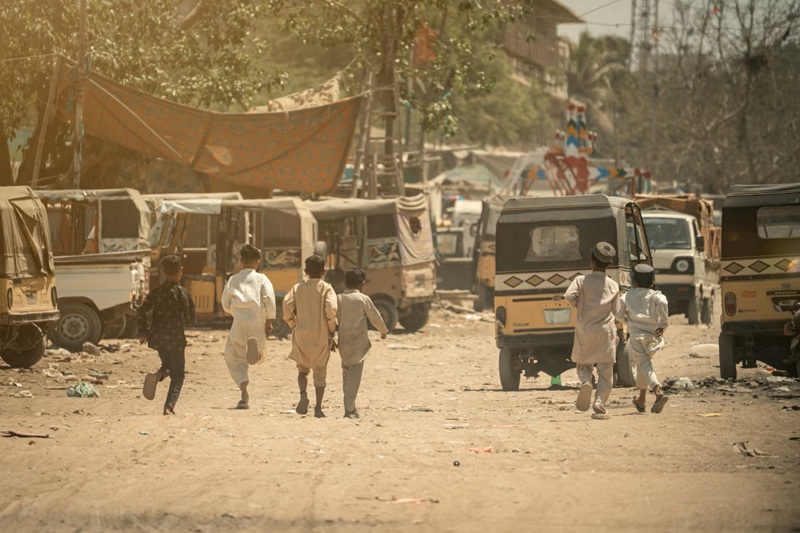
The impact of the climate change crisis can be seen throughout Karachi, which has become a megacity suffering from flooding and many other issues related to climate change.
Why Karachi Is At High Risk?
Karachi’s vulnerability is due to both physical and human traits. With its population density and lack of urban infrastructure, it is extremely difficult to respond to climate shocks. Experts have noted that two additional factors contribute to increasing Karachi’s risk from climate-related threats: the lack of effective governance and unplanned, rapid development.
Extreme Heat and Urban Heat Island Effect
One impact of climate change that is apparent in Karachi is the increase in extreme high temperatures. Research indicates there have been many instances of extreme heat waves by the core urban area of Karachi.
Urban Flooding and Stress on Infrastructure
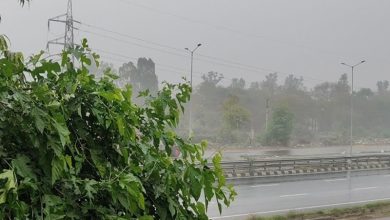
Poor design of drainage systems and inadequate infrastructure contribute to flooding from even the most moderate amounts of rain.
Air Pollution and Environmental Damage
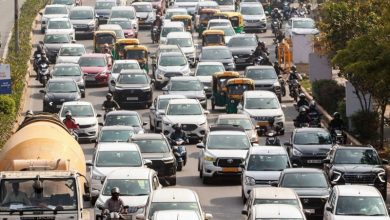
The city suffers from high levels of air pollution due to vehicle use, industrial emissions, and burning waste.
Climate Change Severity and Future Outlook
Current climate change assessments estimate Karachi’s climate risk as “very high,” with significant increases over the past ten years.
Future predictions from experts indicate:
- More frequent/intense heat waves
- More flooding during rainy seasons
- Increased scarcity of water
- Increased health risks and losses in terms of the economy
Social and Economic Impact
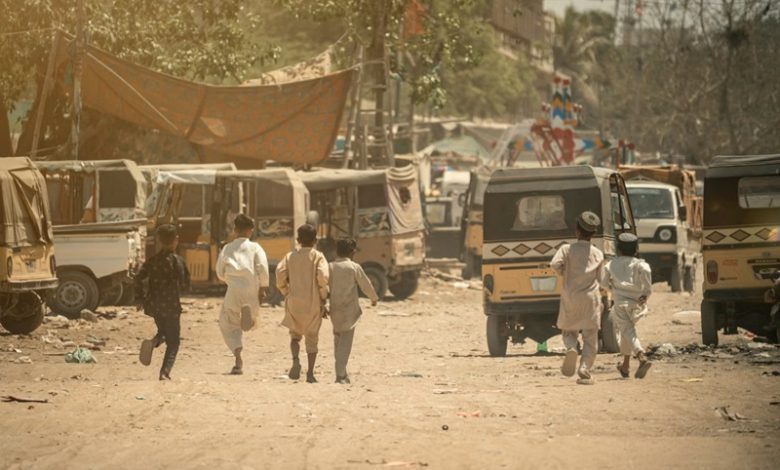
Climate change has created significant disparities in Karachi since low-income communities suffer most due to lack of access to cooling facilities, clean water, health care services, and resilient housing.
Conclusion
The inclusion of Karachi as one of the most affected cities by climate-related risk illustrates the growing global trend that urban centres are now the epicentres of the climate-related crisis.
FAQs
What are the main reasons Karachi is seen as extremely susceptible to climate change?
Karachi is subject to numerous natural hazards, such as excessive heat, flood events, rising sea levels, and poor infrastructure, which means it is much more exposed to the effects of climate change.
What are Karachi’s biggest climate-related risks?
Heatwaves, urban flooding, air pollution, water scarcity, and coastal hazards are the biggest threats posed by climate change to Karachi.
How does climate change influence everyday activities in Karachi?
There will be higher temperatures, more health hazards, less access to water, more disruption of transport due to flooding, and poorer quality of life in general, especially among lower-income groups.
Are heatwaves now more frequent in Karachi?
Indeed, heatwaves are becoming more frequent and intense, according to available data, therefore making them one of the most serious climate-related risks in Karachi.