Japan marks a new step as its first floating offshore wind farm begins operation
The milestone arrives as Japan’s first commercial floating offshore wind farm begins operation, delivering power from Goto and shaping the next steps in offshore wind growth.

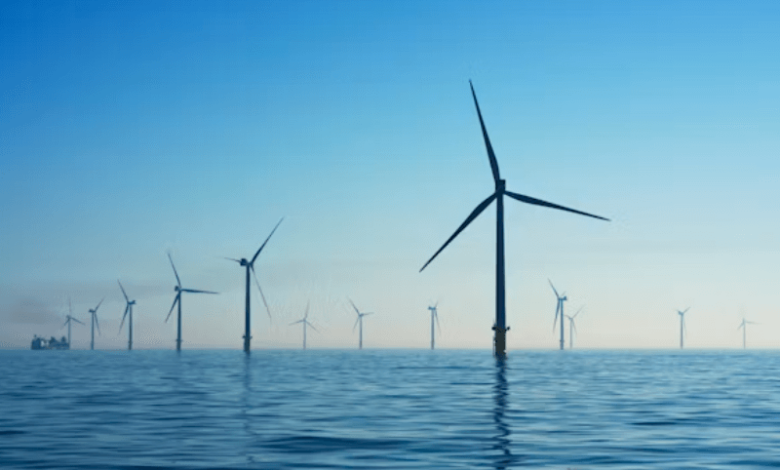
Japan’s first commercial floating offshore wind farm begins operation off the Goto Islands, a small but serious step for a country surrounded by deep waters. The project signals that floating turbines are no longer limited to test runs. It also gives Japan a working reference site, with real maintenance schedules, real weather stress, and real power delivery. Feels like the shift many planners kept talking about, finally turning up on the grid.
Overview of Japan’s First Commercial Floating Offshore Wind Farm
The wind farm sits off Goto City in Nagasaki Prefecture, an area known for strong sea winds and tough sea conditions. Commercial operation means the project has moved past “demonstration” language and entered steady supply mode, under normal market and regulatory expectations.
It is not huge in capacity, yet it carries weight because floating wind suits Japan’s coastline better than fixed-bottom projects in many zones. That’s the plain reality, even if it sounds blunt.
Key Features of the Goto Floating Offshore Wind Project
The project totals 16.8 MW, built using eight turbines rated at 2.1 MW each. The site operates as a commercial floating facility, not a short-term trial. The scale may look modest beside North Sea giants, but Japan’s constraints are different, so comparisons can feel lazy.
Quick project snapshot
| Item | Detail |
| Project name | Goto Floating Offshore Wind Farm |
| Site | Offshore Goto City, Nagasaki Prefecture |
| Total capacity | 16.8 MW |
| Turbines | 8 units |
| Turbine rating | 2.1 MW each |
| Type | Floating offshore wind (commercial operation) |
A few points that stand out, in plain terms:
- Commercial status brings stricter performance tracking and reporting.
- Floating layout suits deeper waters near the islands.
- Operations planning becomes as important as construction, day after day. That part rarely looks glamorous.
Technology Used in Japan’s Floating Offshore Wind Farm
Floating wind depends on the platform as much as the turbine. This project uses a hybrid spar-type floating foundation, built with a steel upper section and a concrete lower section. The design aims to keep the structure stable while handling waves, current, and strong seasonal winds.
Engineers often describe spar-type floaters as “calm in rough seas” when designed well. Still, seas do not care about marketing lines. And maintenance crews end up judging the design quickly, based on access, safety, and repair time.
Companies Behind the Offshore Wind Development
The operating entity is a consortium structure, with Toda Corporation leading. Large energy firms joined the group, including ENEOS, Osaka Gas, INPEX, Kansai Electric Power, and Chubu Electric Power. This kind of partnership matters because floating wind needs civil engineering, marine logistics, grid handling, and long-term asset management, all at once.
Local involvement also matters around island communities. Port work, vessel support, inspection routines, and minor fabrication jobs tend to stay local when planning is done right. People notice that, even if headlines do not.
Government Certification and Policy Support for the Project
Commercial operation also ties into Japan’s newer offshore wind governance approach. The project secured certification under national rules that manage sea-area use for marine renewable energy. That certification is not a “nice to have” item. It sets the legal ground for operations, safety expectations, and coordination with fisheries and shipping.
Japan’s offshore wind policy has leaned hard into structured sea zoning and predictable approvals. Floating wind, in particular, needs that stability because costs stay high without scale. Policy cannot fix everything, but it can reduce the daily friction.
Power Generation and Local Energy Distribution Plans
The electricity generated is set up to supply local retail electricity providers, linking the project to the surrounding region rather than treating it as distant offshore capacity. In practical terms, this supports “local production, local use” thinking, which has gained support in island areas.
Power output will vary with seasonal wind patterns, and floating sites can see strong swings in sea conditions. Grid planning has to handle that variation without drama. On paper it looks neat, yet real-world operation is never perfectly tidy.
Role of Floating Wind in Japan’s Renewable Energy Strategy
Japan has deep coastal waters close to shore, which limits many fixed-bottom installations. Floating offshore wind fits that geography better. The Goto project gives Japan a working example that can inform future site design, insurance terms, and O&M planning.
Floating wind also connects to energy security goals. Offshore resources reduce fuel import dependence over time, though it is not an overnight switch. And yes, the country still needs grid upgrades and storage plans alongside new generation. That part can get slow, honestly.
Economic and Industrial Impact of the Wind Farm
Even at 16.8 MW, a commercial floating project pushes real economic activity:
- Marine vessels and port services gain steady contracts
- Inspection and repair work builds local technical skills
- Fabrication and logistics chains get a real reference order, not a concept
Projects like this also train the supply chain. Crews learn what breaks, what rusts faster than expected, what access route saves time. Those lessons cost money, yet they also save money later. That’s how it usually goes.
Challenges Facing Floating Offshore Wind Expansion
Floating offshore wind still faces hard problems:
- High capital costs and specialised installation needs
- Complex maintenance in offshore conditions
- Port and vessel readiness gaps in many regions
- Grid connection planning that can lag behind generation
Japan also needs scale to bring costs down. Single projects cannot do that alone. And social coordination, especially with fishing communities, needs patience and consistency. Quick fixes do not work in coastal politics.
Future Outlook for Japan’s Offshore Wind Sector
The Goto wind farm’s commercial operation sets a reference point for the next wave of projects. More floating sites will likely follow as developers gain confidence in designs, financing terms, and maintenance models. Costs should improve with repeat builds, stronger domestic supply chains, and better port readiness.
Still, expansion will depend on steady approvals, workable grid connections, and clear risk-sharing across partners. If those pieces align, floating wind can grow into a meaningful part of Japan’s power mix. It is real work now, not talk.
FAQs
1) Why is the Goto project described as Japan’s first commercial floating offshore wind farm?
It supplies electricity under commercial operation terms, meaning ongoing delivery and maintenance expectations, not a limited demonstration run.
2) What makes floating offshore wind important for Japan’s geography?
Japan has deep waters near its coastline, so floating platforms can work where fixed-bottom foundations are difficult or not feasible.
3) How large is the Goto floating offshore wind project in capacity terms?
The project totals 16.8 MW, built using eight turbines rated at 2.1 MW each, designed for steady commercial operation.
4) What kind of foundation does the project use for the floating turbines?
It uses a hybrid spar-type floating foundation, with a steel upper structure and a concrete lower section for stability offshore.
5) What are the main challenges that could slow floating wind growth in Japan?
Costs, specialised vessels, port readiness, grid upgrades, and offshore maintenance complexity can slow expansion even after early success.