March Heat Is Testing Jaipur’s Water System Weeks Before Summer
Rising March heat has pushed Jaipur to trigger early water contingency measures. Officials are boosting supply and preparing tanker support across vulnerable areas.

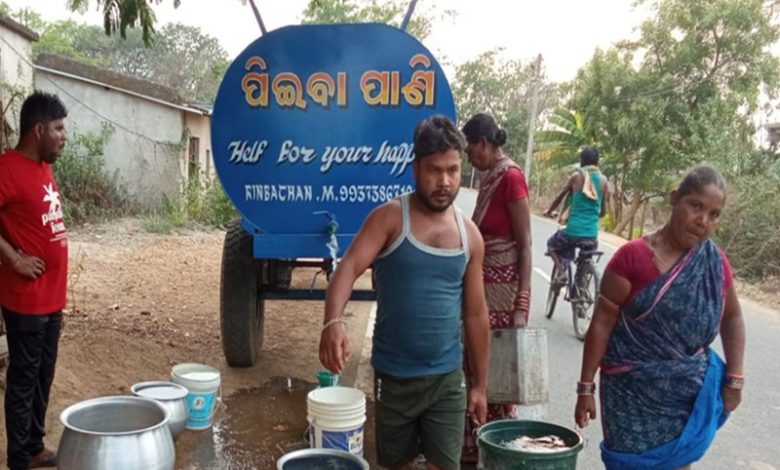
Jaipur’s water system is already behaving like it is late April, not mid-March. A sharp early rise in temperatures has pushed the Public Health Engineering Department to activate part of its summer contingency plan ahead of schedule, increase the Bisalpur water supply, and send tankers into stressed pockets of the city. Officials have also started cracking down on booster pumps and illegal connections, which usually become a bigger problem when demand spikes.
Why The Pressure Is Building So Early
The trigger is simple: heat arrived early, and water demand rose with it. Jaipur recorded an unusually hot early-March spell, while other parts of Rajasthan crossed 40°C, which is not normal this early in the season. That kind of heat changes daily consumption fast. More water is used for drinking, cooling, washing, and storage, and low-pressure areas feel the strain first. The city is not yet in a full-blown supply collapse, but authorities are clearly trying to stay ahead of one.
The Bisalpur Link Is Doing The Heavy Lifting
Jaipur’s main relief valve right now is Bisalpur Dam. PHED has increased flow from the reservoir to support urban supply as demand climbs. At the same time, the state has reportedly set aside contingency funds for districts, and Jaipur has already begun partial emergency deployment instead of waiting for peak summer. That early move matters because once neighbourhood complaints start rising together, tanker logistics become harder to manage at city scale.
Tankers, Enforcement, And Patchwork Fixes Are Now In Play
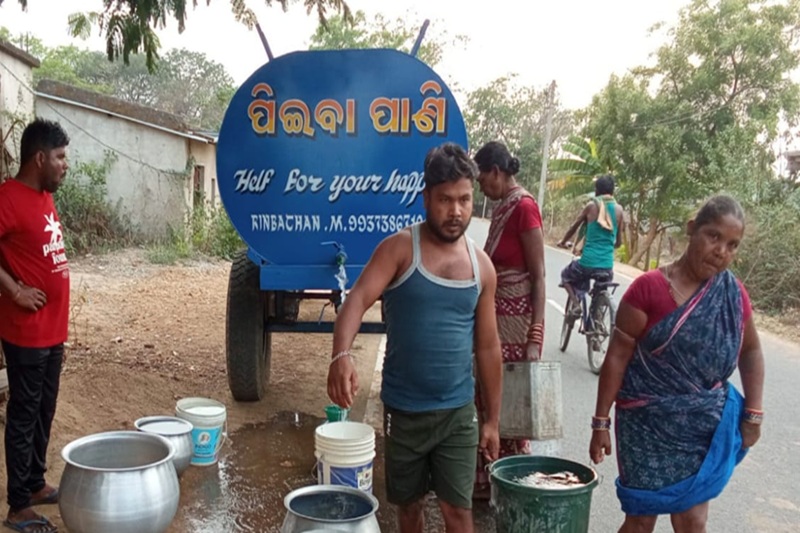
The first visible sign of stress is tanker deployment. Around 20 tankers have already been put into service across Jaipur, with officials warning that full tanker-based support may be needed by the end of March if the heat persists. Alongside that, PHED teams are targeting water theft through illegal booster pumps and unauthorized connections, because these can quietly drain pressure from entire local lines. In other words, Jaipur is not just adding supply, it is trying to stop leakage and unfair diversion inside the network.
The Bigger Worry Is System Resilience
The harder story is not only heat. PHED is also dealing with staffing disruption linked to the Jal Jeevan Mission probe, with multiple engineers arrested or suspended in recent days. That creates operational stress at the worst possible time, because summer supply depends on quick field decisions, repairs, and coordination.
Local administration has already held preparedness reviews, which shows this is being treated as a live risk, not a routine seasonal issue. TOI also flagged the early activation, showing the story is now part of a wider public watch.
FAQs
1. Why is Jaipur using summer contingency plans in March?
Because March heat arrived early and pushed water demand higher than normal city levels.
2. Where is Jaipur getting extra water from right now?
The city is relying more heavily on increased supply from the Bisalpur reservoir.
3. Are water tankers already operating in Jaipur?
Yes, authorities have already deployed tankers in areas facing rising supply stress.
4. What are booster pump checks meant to stop?
They stop illegal water diversion that reduces pressure for nearby homes and localities.
5. Is this only about heat, or also administration?
Both matter, because heat raised demand while staffing disruption complicated field-level response.