Raising Green Minds 2025: How Kids Can Be Sustainable in Their Daily Practices
Make kids sustainable with everyday activities - recycling and conserving water, planting a garden, making environmentally friendly decisions, and creating a green and responsible future.

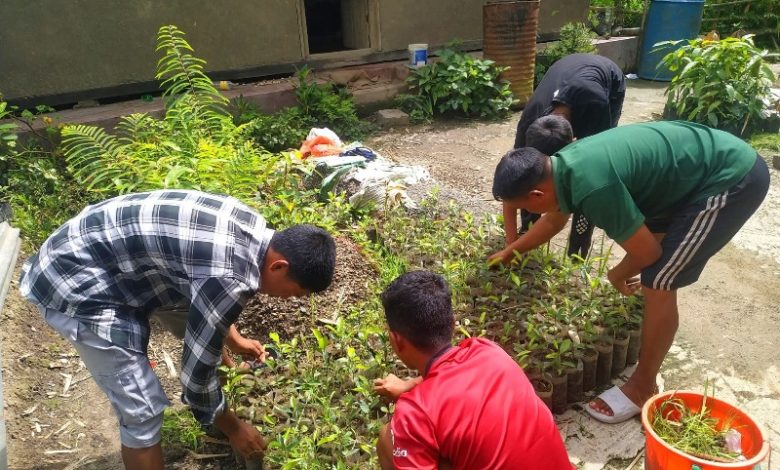
In the modern world, educating children on the importance of sustainability is not just a matter of an educational option, but it is a matter of life. Children are inquisitive and compassionate by nature, and hence ideal to learn how a little can be a lot to save the planet. Sustainable habits can not only make children more responsible, but also leave the world a healthier and cleaner place to live in for the generations to come. From being conscious consumers to being environmentally conscious creatives, sustainability begins at the domestic level and becomes bigger with each daily decision.
1. Exercising Home Waste Reduction
Make children think that they should not dispose of things. Expose them to the idea of recycling, re-use, and composting. As an example, use old jars as craft storage tools, or use food scraps, which can produce compost to grow plants. Kids can also be engaged by making the recycling bins easy to use by coloring them.
2. Conserving Water and Energy
Easy things that we do in our everyday lives can also be lessons. Ask children to leave the tap off when they brush their teeth, to use a cup to run under the water, and to turn off the lights when leaving a room. These little measures make people aware of conserving resources and that anyone can contribute to the decrease of waste.
3. Selection of Sustainable School Supplies
At the beginning of each school year, ask the children to use old notebooks and refillable pens and choose options that are environmentally friendly, such as recycled paper or bamboo pencils. Demonstrate the savings of trees and waste by the methods of these options, and relate the materials people use to daily environmental harm.
4. Walking or Cycling to School or Carpooling to School
Educate children on green transportation, which cuts pollution. Walking or biking to school not only reduces the emission of carbon but also helps in promoting health and independence. In case it may be hard due to long distances, it may be a nice and environmentally friendly option to share a car with friends.
5. Growing a Mini Garden
Children enjoy seeing objects develop. Begin with plants that are easy to learn, such as herbs, tomatoes, or sunflowers, to show them what the cycle of nature is like. Gardening is used to make children appreciate the sources of food, appreciate ecosystems, and learn patience and responsibility.
6. Adoption of Minimalism in Toys and Clothes
Teach children the happiness in the middle way. Give away the toys and clothes you do not need to charity and tell a child how it is better to share and to reduce waste and help other people. This makes them feel empathetic and makes them realize that sustainability is not only about nature, but also about humanity and society.
7. Books and Media Learning
Sustainability can be fun in the form of children’s books, cartoons, and documentaries about the planet. Programs such as Planet Earth or Octonauts make children imagine why it is important to take care of our planet and make the process of learning enjoyable.
8. Leading by Example
The largest role is played by parents and teachers. Adults have to use shopping bags, water bottles, and recycle regularly, which causes kids to imitate them automatically. Sustainability can never be taught, but through action.
FAQs
1. How old can children be to learn about sustainability?
Even toddlerage kids can start with the simplest of measures such as switching off lights or recycling paper to form artworks
2. What do parents do to make their kids learn about sustainability?
Make it game-based — such as who would save the most water today? – or make rewards charts for green activities.
3. What are some simple sustainable replacements for families?
Adopt cloth bags, refillable bottles, bamboo toothbrushes, and stainless steel lunch boxes.