Why Glacier Melt Is Accelerating Across the Himalayas — Water Risks for India and Nepal
Himalayan glacier melt is accelerating due to climate change, raising serious water security risks for India and Nepal.

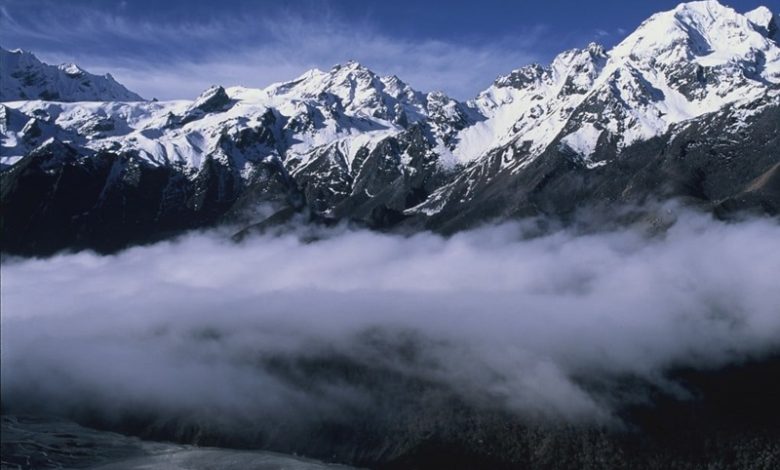
The Himalayas, which are also known as the Third pole holds a huge ice cover that supplies most of the major rivers in Asia. However, scientists report that Himalayan glacier melt is accelerating due to climate change, rising temperatures, and pollution. These glaciers provide water to rivers like the Ganges and Brahmaputra that provide millions of people in India and Nepal. The rapid ice melting may have a short-term effect of rising floods and then going down in terms of water supply in dry seasons. This is an escalating crisis that poses threats to agriculture, hydropower, and drinking water in South Asia, and this situation highlights the need to monitor the glaciers and take action on climate change to ensure long-term stability in the region.
Himalayan Glacier Melt Causes
The Himalayan glacier melt is mainly driven by global warming and pollution. An increase in temperature is melting ice at a faster pace than it can be replenished through the snowfalls. Vehicle and industry black carbon deposits onto glaciers and absorb sunlight, accelerating melting. There is also decreased snowfall, which restricts the recovery of the glaciers, and the loss is permanent.
Water Security Risks in India and Nepal
Water security risks are increasing because Himalayan glaciers act as natural reservoirs. In the event of shrinking glaciers, river flows are affected. At first, it might be floods, but there is a possibility that melting in the long term can decrease summer water availability to farming, cities, and hydropower projects.
Climate Impact on Himalayan Rivers
The climate impact on Himalayan rivers includes changing river flow patterns and rising risks of glacial lake floods. With melting glaciers, new lakes are formed, which can break out at any given time, resulting in devastating floods to the downstream areas.
Official Social Media Post
FAQs
1. Why are Himalayan glaciers melting quickly?
Rising temperatures and pollution are increasing the rate of glacier melting across the region.
2. How does glacier melt affect water supply?
Glaciers regulate river flow. When they shrink, long-term water availability may decline.
3. Which rivers depend on Himalayan glaciers?
Major rivers include the Ganges, Brahmaputra, and Indus.
4. What is a glacial lake outburst flood?
It occurs when meltwater lakes burst suddenly and cause downstream flooding.
5. Why is glacier monitoring important?
It helps scientists track climate change impacts and prepare for future water risks.