
Fresh Evidence Ties Warming Climate to Spread of Antibiotic Resistance
New research links rising temperatures to spread of drug-resistant infections, suggesting warmer climates may speed bacterial growth and weaken treatment outcomes.

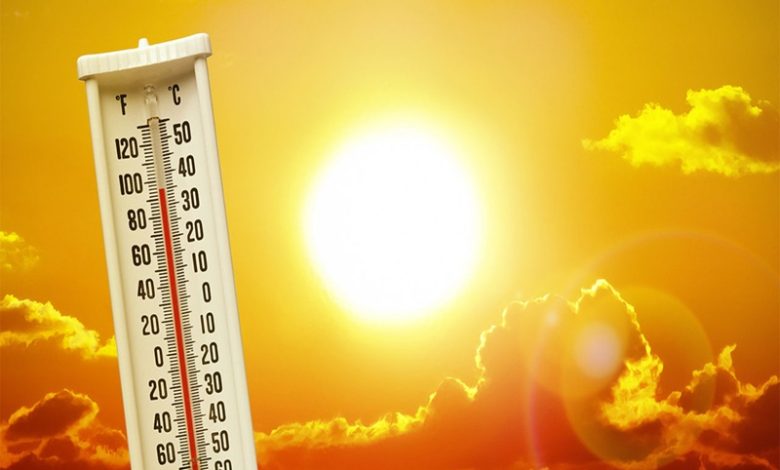
Rising heat is no longer only a weather story. Public health teams are tracking a worrying pattern: hotter conditions appear tied to higher antimicrobial resistance, the kind that makes common infections harder to treat. A growing pile of research now connects temperature rise and extreme heat with shifts in how resistant bugs emerge and spread.
Why Heat Is Showing Up in the AMR Conversation
A 2025 global-scale analysis in BMC Infectious Diseases reported that rising temperatures and extreme heat show consistent links with antimicrobial resistance across locations, while rainfall effects vary by pathogen. That finding is feeding into wider reporting on climate and drug-resistant infections, including posts shared by major science outlets such as Nature on X.
What could be driving the spread
Researchers point to a few heat-related pressures that stack up fast:
- Faster bacterial growth in warmer environments
- More chances for resistance genes to move between microbes
- Disruptions during heatwaves and floods that strain sanitation and care
- Higher infection load, leading to heavier antibiotic use in communities
The concern is simple: as heat becomes routine, resistant infections may follow the same curve.