Greenwashing Decoder Guide: Exposing Fake ‘Eco’ Claims Quickly
Master the Greenwashing Decoder: How to Spot Fake ‘Eco’ Claims and learn how brands mask unsustainable actions with trendy marketing labels and half-truths.

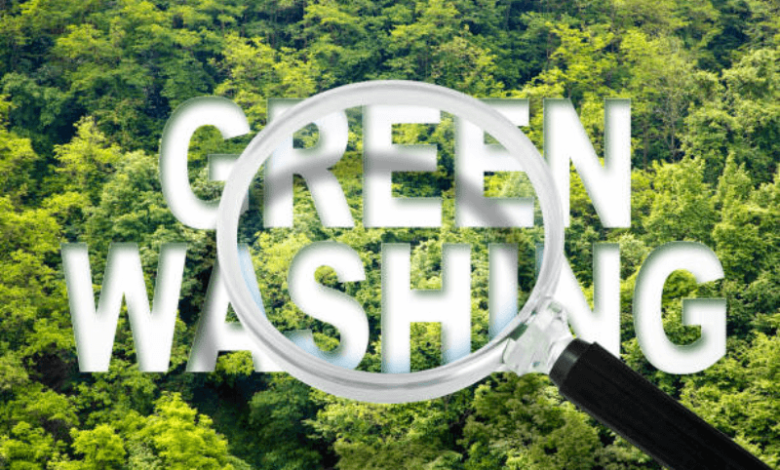
Eco claims are everywhere now, from fashion tags to food packs and airline checkout pages. Some are genuine improvements. Others are polished marketing lines. The fastest way to protect yourself is this: do not ask, “Does it sound green?” Ask, “Can this be verified, clearly, today?” Greenwashing hides in vague words, selective examples, and old reports presented like fresh progress. If proof is thin, pause before you pay the premium.
How To Decode Fake Eco Claims In 2026
Start with wording. Trust claims that show a metric, baseline year, product scope, and method. Be careful with phrases like “eco-friendly,” “planet positive,” or “sustainable choice” when no numbers are attached. Then test boundaries: is this one capsule collection, one region, or the full company? If the claim is company-wide, demand company-wide data. Also check whether the claim relies only on offsets instead of direct emissions cuts.
Recent enforcement shows why this matters. In April 2024, EU consumer authorities challenged environmental marketing used by 20 airlines, and the European Commission posted that action publicly on X in an official update (European Commission on X).
In June 2025, talks on the EU Green Claims law were halted. Italy then fined Shein €1 million in August 2025 for misleading environmental claims. In November 2025, Tyson agreed to halt certain climate-related marketing claims in a settlement.
One-Minute Claim Check Before You Buy
Use a five-point filter before trusting any “eco” promise: specific metric, independent verification, full-scope disclosure, recent reporting date, and clear limits. If one point fails, treat the line as promotion, not proof. Final check: compare website claims with the latest sustainability report plus assurance statement. If evidence is hard to find in two clicks, that is your answer, and you should walk away for now.
FAQs
1) Are all eco labels trustworthy?
No. Many eco labels are self-created, so always check independent verification and transparent criteria first.
2) What is the fastest way to verify a green claim?
Look for product-level data, baseline year, measurement method, and third-party assurance, not broad slogans alone.
3) Are carbon offset claims always reliable?
Offset claims can mislead when reductions are uncertain, delayed, or unrelated to your specific purchase.
4) What should I do if proof is missing?
If evidence is missing, treat the claim as marketing language and compare alternatives before paying.
5) Where can I track real greenwashing actions?
Check regulators, court rulings, and trusted watchdog reports; they reveal patterns brands rarely disclose voluntarily.