
Green Technology Trends to Watch in 2025
Green technology trends 2025 highlight solar energy, EVs, recycling, and carbon capture shaping sustainable living and cleaner cities across the world.

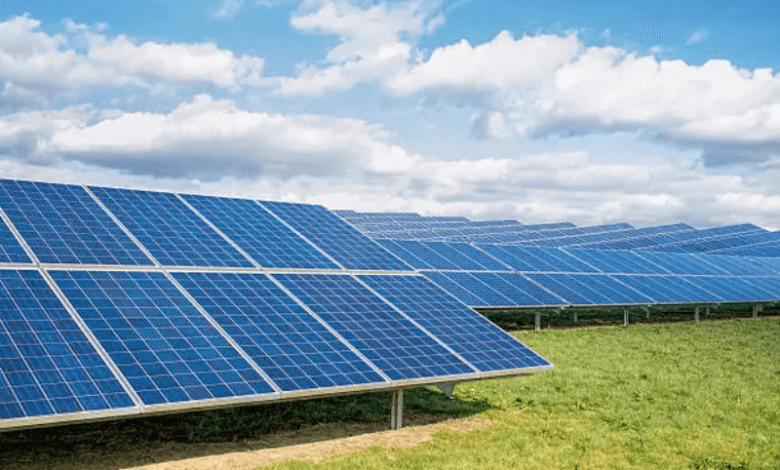
Morning air feels lighter these days. Fewer horns, fewer fumes. Somewhere nearby, a building hums softly from solar panels. That’s the quiet rhythm of 2025 — green technology spreading across cities and villages without much noise. Not perfect, but moving. People are starting to notice it in small ways.
Key Areas of Green Innovation in 2025
| Category | Focus | Change Seen |
| Solar & Wind | Rooftops, farms | Cheaper energy for homes |
| Electric Mobility | EVs, buses | Lower fuel bills |
| Smart Grids | Power control | Steady supply, fewer cuts |
| Recycling | Reuse & recovery | Less garbage in cities |
| Buildings | Insulation, cooling | Cooler homes, smaller bills |
| Carbon Capture | Industrial filters | Cleaner air zones |
| Urban Farming | Hydroponics | Local food production |
| Materials | Natural plastics | Reduced oil use |
| Water | Desalination, reuse | Saving ground water |
| Data | Climate tracking | Faster emergency action |
Green Technology Trends to Watch in 2025
Sometimes change feels slow, almost invisible. Then one day, the light hits differently. Solar panels on roofs, buses running silent, factories recycling their own waste. The shift to green technology isn’t dramatic, it’s practical now.
Solar Power Everywhere
Even small houses in smaller towns are putting up panels. Some sell extra power back to local grids. Makes sense—sunshine is free, after all.
Offshore Wind Expanding
Out at sea, you can hear turbines before you see them. The slow turning blades have become part of the horizon. Strange comfort in that sound.
Hydrogen Fuel Projects
Hydrogen trucks are slowly entering long routes. Refuelling takes minutes, and the exhaust is just water vapour. Cleaner, simpler.
Electric Public Transport
Bus stops feel calmer. No fumes, no idling noise. Drivers say maintenance costs dropped too, which matters more than any slogan.
Battery Storage Growth
Old EV batteries are finding new life as home power backups. People don’t think twice—just plug in during outages.
Factories Reusing Materials
Scraps that once went to waste are being melted, reused, reshaped. Not perfect, but the landfill piles shrink.
Farming in Urban Spaces
Fresh herbs growing on building rooftops, beside satellite dishes. Kids find it funny, adults find it practical.
Capturing Carbon at Source
Some industrial plants quietly run carbon filters now. They don’t boast, but the air smells less metallic near those gates.
Data Centers Cooling Smarter
Recycled water, underground cooling, fewer fans. Engineers say systems last longer this way. Electricity bills don’t hurt as much either.
Packaging that Decomposes
Cafes wrapping sandwiches in compostable covers. Small step, but it matters. Plastic bins stay less full these days.
Global Transition Feels Real
Across continents, governments are moving past speeches. Solar rooftops in India, wind corridors in Europe, hydrogen buses in Japan. It’s quiet, steady progress. Nothing flashy. The idea is simple: make green energy affordable enough so no one argues about it.
Markets too are catching on. Investors are backing small repair units, local recycling startups, even school projects. The money trail says more than reports do. And maybe that’s how it should be.
Sometimes policies lag, or materials cost too much. But the will feels stronger. Each village with a solar streetlight, each bus that stops without smoke — that’s what builds momentum.
Living the Change
Green tech doesn’t always look futuristic. It often smells like wet soil after rain or sounds like a quiet fan running on solar charge. That’s where the real shift lies—in daily life, not glossy reports.
Workplaces are switching to daylight lighting. Schools collect rainwater. People talk about carbon casually, like they talk about weather. Feels new, but also normal somehow.
And maybe that’s the best sign. When progress feels boring, it means it’s working.
FAQs
1. What are the main green technology Trends in 2025?
Solar energy, hydrogen fuel, electric transport, and circular manufacturing are leading the shift worldwide.
2. Why is solar power becoming common now?
Prices dropped and panels last longer, making them practical even for small homes.
3. How are cities reducing pollution?
Through electric buses, recycled construction material, and better waste systems.
4. What makes circular production important?
It cuts waste, saves cost, and keeps industries less dependent on imports.
5. Which countries are investing most in green technology?
India, Japan, and Germany are among the key leaders pushing cleaner industries.