The Cost of “Green Cities”: Are Eco-Projects Displacing Local Communities?
Explore the hidden social costs of green city projects and whether eco-friendly development is displacing local communities in 2026.

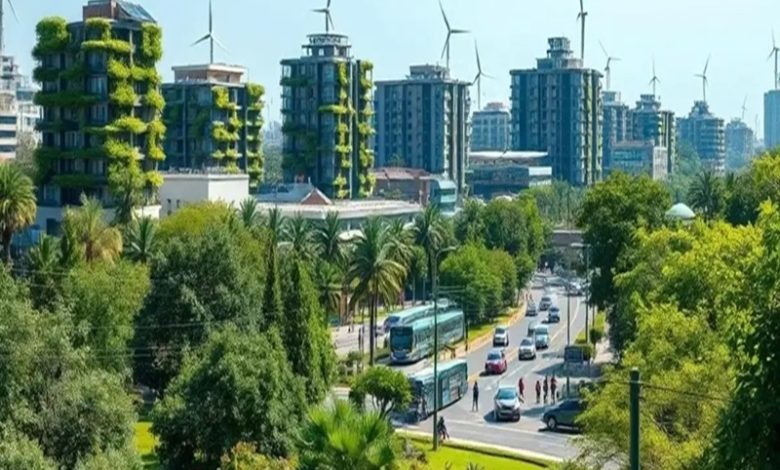
Green cities are becoming popular as cities worldwide invest in sustainability. These projects will minimize carbon emissions and enhance the quality of living, and include eco-friendly infrastructure, as well as smart urban planning. Nevertheless, there is a growing debate in 2026 concerning the untold price of such programs. Though green development is associated with positive changes in the environment, it can also cause an increase in the cost of living and the eviction of local communities. It is critical to have insight into how green cities should affect the citizens in order to make the sustainability efforts inclusive and equitable.
What Are Green City Projects?
Green city projects focus on making urban areas more sustainable and environmentally friendly.
- Development of parks and green spaces
- Energy-efficient buildings and infrastructure
- Smart transport systems and reduced emissions
- Renewable energy integration
These initiatives aim to create healthier and more sustainable urban environments.
How Eco-Projects Can Lead to Displacement
Despite their benefits, some eco-projects can unintentionally impact local communities.
Rising Property Prices
Green developments usually make neighborhoods more attractive, which results in more property values and rental prices. This may drive out low-income citizens.
Gentrification
Sustainable renovations can hasten urban gentrification, as more affluent residents relocate, and the current residents are forced out.
Relocation for Development Projects
Such projects may be eco-corridors or infrastructure development, and the residents may have to be relocated to accommodate new developments.
Social Impact on Local Communities
The displacement caused by green projects can have serious consequences.
- Loss of affordable housing
- Disruption of local culture and communities
- Economic inequality between residents
- Reduced access to city resources for vulnerable groups
These issues raise concerns about fairness in sustainable development.
Balancing Sustainability and Social Equity
Experts suggest that cities must adopt more inclusive approaches.
- Affordable housing policies alongside green development
- Community participation in planning processes
- Protection of vulnerable populations
- Transparent urban planning strategies
Sustainability should not come at the cost of social justice.
Are Green Cities Still the Future?
Green cities remain essential for addressing climate change, but their implementation must be carefully managed. The goal should be to create cities that are both environmentally sustainable and socially inclusive. Policymakers must ensure that eco-projects benefit all residents, not just a privileged few.
FAQs
What are green cities?
Green cities are urban areas designed to reduce environmental impact through sustainable infrastructure and policies.
Do green projects cause displacement?
In some cases, yes. Rising costs and development projects can lead to the displacement of local communities.
How can cities prevent displacement?
By implementing affordable housing policies, involving communities in planning, and ensuring equitable development.