
Morning air already feels warmer, fans run longer, and the smell of dust after a short drizzle sticks. The phrase 2025 hottest years ever appears in conversation now, with WMO climate warning and global warming 2025 shaping the news cycle. That’s how it looks here anyway.
WMO’s Latest Climate Report: What 2025 Data Reveals
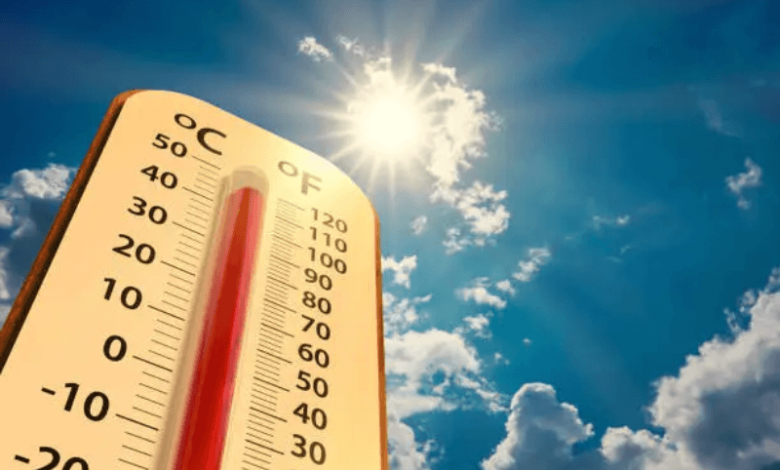
The WMO report 2025 points to rising global temperatures that track near the top of the record. Monthly anomalies stack up, not as one-off spikes but a steady climb. Sea surface readings stay elevated, nights cool less, and heat lingers over cities long after sunset. Analysts call it a pattern, not noise. A year that was expected to be hot is edging toward the shortlist of the warmest years on record. Feels strange sometimes, because people remember cooler Aprils and softer monsoons. The numbers do not.
Key Drivers Behind the Extreme Heat in 2025
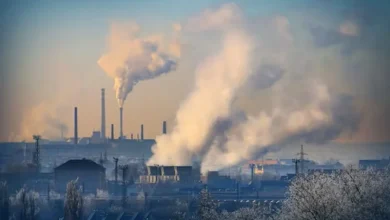
Greenhouse gas concentrations keep increasing, the slow drip that changes everything. Carbon dioxide builds, methane pulses after wet seasons, nitrous oxide creeps along too. Oceans store most of the extra heat. That is why marine heatwaves appear in places that rarely saw them and corals pale like old paint. Polar ice thins and the darker water absorbs more sun. Small feedbacks add up, like leaving a hot tawa on the stove a bit too long. El Niño faded, but the background warmth stays put. That’s how it stacks, layer by layer.
Regional Impacts the World Is Already Experiencing
In South Asia, May heat spells arrived early, and fields smelled like baked mud by noon. Rice nurseries needed shade nets, a small hack farmers now keep ready. Europe reported flash floods in towns that never rehearsed for it. North America battled long fire seasons; smoke drifted into suburbs and left a burnt-leaf taste in the air. The Middle East pushed new heat records, construction crews shifted shifts, and night work grew common. Africa’s Horn struggled with uneven rain. Cities everywhere saw hotter nights, that heavy air that makes sleep feel like work. It adds up in quiet ways.
The Warning Signals: Why WMO Says the Risk Is Escalating
The agency points to clustered extremes. Hot seas. Low ice. Longer heatwaves. Higher baseline. When the average moves, the tails move faster, and the bad days multiply. Storms carry more moisture. Droughts stretch. Health systems feel the queue lengthen on heat-stress days. Insurance prices go up, sometimes quietly, sometimes like a slap. Power demand peaks after sunset, and grids groan. People sense this; they plan errands at odd hours. None of this feels theoretical anymore. That’s the blunt part.
Climate Predictions for 2026 and Beyond
A quick view, simple and clear.
| Period | Likely Pattern | Practical Reading |
| 2026 | Warm year near top range | More hot nights, higher cooling demand |
| 2027–2029 | High variability on a warm base | Swings between flood and dry spells |
| 2030s | New heat records possible | Urban heat planning becomes standard |
These lines are not destiny. They are warnings on a dashboard.
What the World Needs to Do: WMO’s Recommended Actions
- Scale clean power faster, and fix the boring parts like permitting, grid wires, storage.
- Cut methane leaks in energy and waste; cheap sensors help, and so do fines.
- Protect and restore forests and mangroves; storms repay that investment quickly.
- Fund early-warning systems for floods, heat, cyclones; alerts that arrive in time save lives.
- Back climate-smart farming: heat-tolerant seeds, efficient irrigation, crop calendars that shift by weeks. That’s the practical path.
What Individuals Can Do to Slow the Warming Trend
- Cool efficiently: shade, cross-ventilation, ceiling fans paired with moderate AC settings. Small bills, real relief.
- Daily travel: short trips by foot, cycle, or shared rides. Weekends add solar dryers and pressure cookers to the list.
- Food habits: cut waste, plan menus, eat more seasonally. Sometimes it’s the small habits that matter.
- Home fixes: LED lighting, insulated roofs, plant a shade tree where it actually shades.
- Community moves: resident groups can nudge builders toward reflective roofs and rainwater pits. It spreads.
What Happens If the Warming Trend Continues Beyond 2025?
Food costs rise when heat clips yield, especially for wheat and rice. Water stress nudges cities toward ration schedules, even the well-run ones. Coastal places spend more on walls and pumps. Tourism calendars shift. Supply chains build slack for heat days, which sounds simple until margins shrink. Health impacts build slowly, then all at once during a heatwave week. Ecosystems lose buffers, and pests get a longer season. It can be managed, to a point. The point moves.
FAQs
1. Why do experts call 2025 one of the hottest years ever despite short cool spells in some cities?
Short cool spells occur locally, while global averages still rise due to persistent ocean heat and greenhouse gases.
2. How does the WMO report 2025 connect to daily life like electricity use and water supply?
Higher night temperatures lift cooling demand, grids strain, and uneven rain patterns complicate reservoir planning in many regions.
3. What simple steps can households try without big purchases or fancy gadgets this season?
Shade windows, run fans first, set AC a bit higher, plan meals to avoid waste, and fix minor leaks promptly.
4. Why do seas matter so much to global warming 2025 and the next few years?
Oceans store most added heat, which drives marine heatwaves, shifts storms, and sets the baseline for coastal weather.
5. What signals would show real progress before 2030, not just talk or targets on paper?
Flatter power peaks during heatwaves, fewer heat-stress hospital cases, declining methane leaks, and more shaded, cooler streets.