What This Means for Earth When Global Climate Models Say We’re Failing
Global Climate Models Say We’re Failing on Emissions — What This Means for the Planet is a closer look at warning signs, rising risks, and the global shifts now underway.

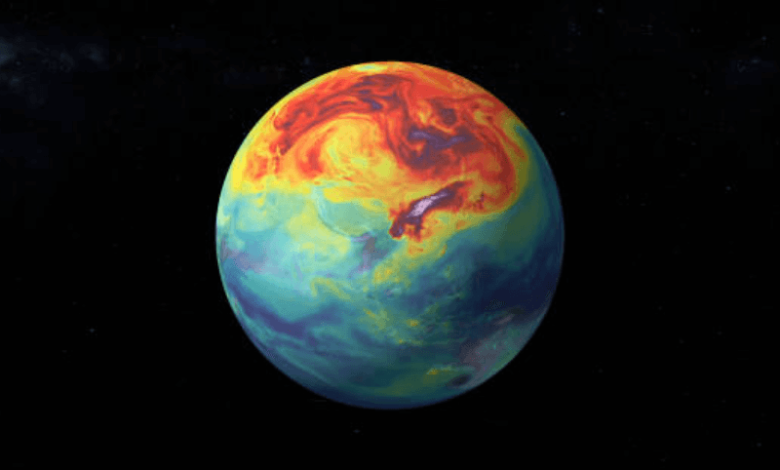
Global climate models are sending an awkward message: emissions are still not bending fast enough, and the math for safer warming levels keeps getting tighter. The gap between promises and real-world pollution has turned into a headline again, not a footnote. It matters for heat, storms, food prices, and health, and it lands hardest on people with the least buffer. A lot of people feel it in daily choices and bills.
Why The Numbers Keep Pointing The Wrong Way
The latest UN assessments still warn that limiting warming near 1.5°C needs global emissions to peak and fall sharply this decade, yet current policies and pledges remain off-track. UNEP’s Emissions Gap Report 2025 echoes that problem, putting expected warming this century around 2.3 — 2.5°C under full NDC implementation, and noting only about a third of Parties filed new NDCs by late September 2025.
What “Failing” Looks Like On The Ground
Models do not feel abstract when record heat stacks year after year. WMO has reported greenhouse gas concentrations and ocean heat staying at record levels into 2025, with sea ice and sea level signals moving the wrong way too. A UNEP update on X about the Emissions Gap Report captured the same urgency in a short post.
What Changes Next
Policy talk is shifting toward speed: cleaner power, faster grids, tighter methane cuts, and industrial upgrades. But delays carry a price tag, and some countries already face higher disaster losses and tougher insurance markets. Feels like the planet is billing everyone upfront. Still, the next few years decide the curve.