Wildlife Crisis Update: Global Biodiversity Loss Explained in Depth
Global Biodiversity Loss Explained: What’s Happening to Wildlife and why ecosystems are destabilising. Get insights on coral bleaching, habitat loss, and global conservation needs.

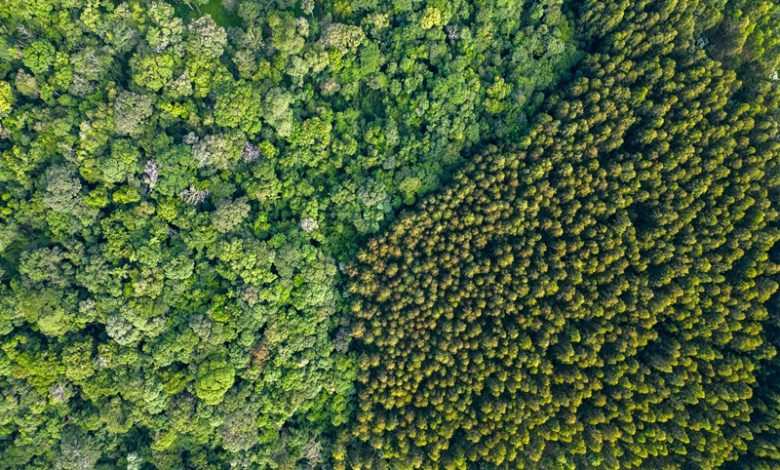
Wildlife is still everywhere on our feeds, yet in the real world it is thinning out. The latest Living Planet Index update, produced by World Wide Fund for Nature with Zoological Society of London, tracks thousands of vertebrate populations and finds an average 73% decline (1970–2020), a loud signal that ecosystems are under heavy pressure.
In early 2026, Victoria bushfires in Australia again showed how one extreme season can erase habitat in days, leaving threatened species with nowhere to go.
What’s Driving the Drop and Why It’s Speeding Up
Most declines stack the same pressures: land conversion for food and cities, overharvesting and illegal trade, invasive species, pollution, and climate stress. Freshwater systems are often hit first because dams, extraction, and runoff break migration routes and water quality.
Oceans are flashing red too: National Oceanic and Atmospheric Administration confirmed a fourth global coral bleaching event, and later reporting showed the bleaching footprint expanding across much of the world’s reef area, official update feed (X).
The New Flashpoints People Are Watching
- “Fast shocks” like megafires, heatwaves, and floods that wipe out local populations before they can recover.
- “Silent shifts” where insects, amphibians, and small fish fade, changing what bigger animals can eat.
- Finance and policy: after COP16 talks, countries have pushed for big biodiversity funding and clearer delivery routes.
What Helps Right Now
Protect intact habitat with real enforcement. Build corridors, restore rivers and wetlands, and cut pollutants that act like slow poison.
FAQs
What is biodiversity loss?
It’s the shrinking variety of species and ecosystems, plus fewer animals within each species overall.
Are species going extinct faster today?
Yes. Habitat loss, climate change, and overuse are raising extinction risks across regions today rapidly.
How does coral bleaching relate to biodiversity?
Bleaching kills reef habitat, so fish, invertebrates, and coastal food chains collapse quickly often too.
What can individuals do?
Buy less wildlife-linked products, cut food waste, support local restoration, and vote for nature policies.
What is the biggest driver globally?
Land-use change for farming and housing is the largest driver, amplified by climate stress globally.