North America’s Reality: Why Fire Seasons Are Starting Earlier
Scientists reveal why fire seasons are starting earlier in North America, with hotter summers, record droughts, and stronger winds accelerating wildfire behaviour across regions.

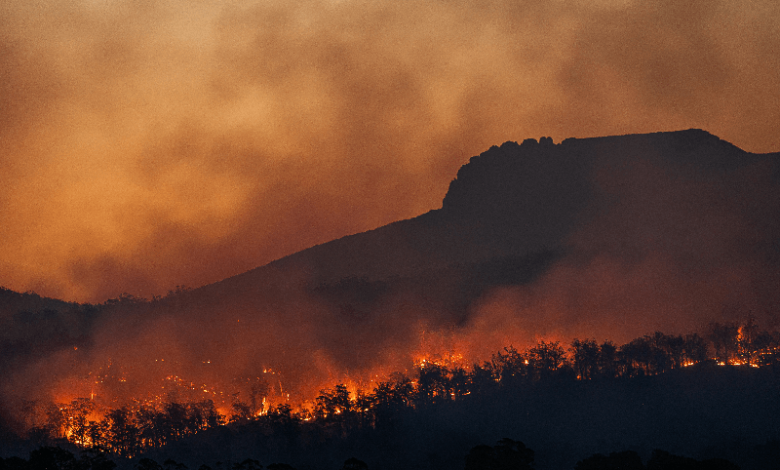
North America’s wildfire clock is shifting. What once felt like a late-summer emergency is increasingly a spring reality. Researchers connect that shift to warmer winters, earlier snowmelt, and drier grasses and forests that ignite sooner. The result is a longer danger window for communities, power systems, insurers, and hospitals, especially where suburbs meet flammable landscapes.
In practice, “fire season” is becoming a broad risk cycle, not a short summer spike. That change stretches smoke exposure and emergency costs across more months.
What Is Driving The Earlier Start
Evidence now aligns across agencies and studies. NASA’s wildfire explainer, drawing on U.S. Forest Service findings, says fire seasons are starting earlier in spring and extending later into autumn, with hotter weather and earlier snowmelt increasing risk in the American West. In Canada, the national wildfire system notes Alberta’s official season can begin March 1 because post-snowmelt grasses and not-yet-greened fuels burn quickly.
In February 2026, AP reported an extreme Western U.S. snow drought: snow cover was about 155,000 square miles instead of a typical 460,000, a setup scientists said could accelerate spring drying and wildfire risk. Official updates: BBC World on X.
Connected Storylines From Recent Headlines
The news is matching the science. Reuters reported that by mid-June 2025, Canada had 225 active fires, including 120 out of control, with 3.7 million hectares already burned. AP then reported more than 27,000 evacuations in three provinces as smoke worsened air in the U.S. Midwest and drifted to Europe.
FAQs
Why are spring wildfires increasing now?
Hotter springs dry grasses earlier, so ignitions spread faster before traditional summer firefighting readiness peaks.
How does low snowpack affect fire timing?
Reduced snowpack melts sooner, exposing soil and shrubs longer, which increases fuel dryness and flammability.
Does an earlier season worsen public health impacts?
Longer seasons mean earlier smoke exposure, higher asthma risk, and more days of unhealthy air.
What can households do before peak summer?
Home hardening, defensible space, spring fuel reduction, and community alerts significantly cut wildfire loss potential.
Is climate the only reason seasons start earlier?
No, rainfall variability matters, but warming trends still increase baseline odds of earlier fires regionally.