Record Fires Grip the Northern Hemisphere as 2025 Breaks Wildfire Norms
2025 saw one of the most extreme wildfire seasons across the Northern Hemisphere, driven by heat, dry winds, and shifting climate patterns.

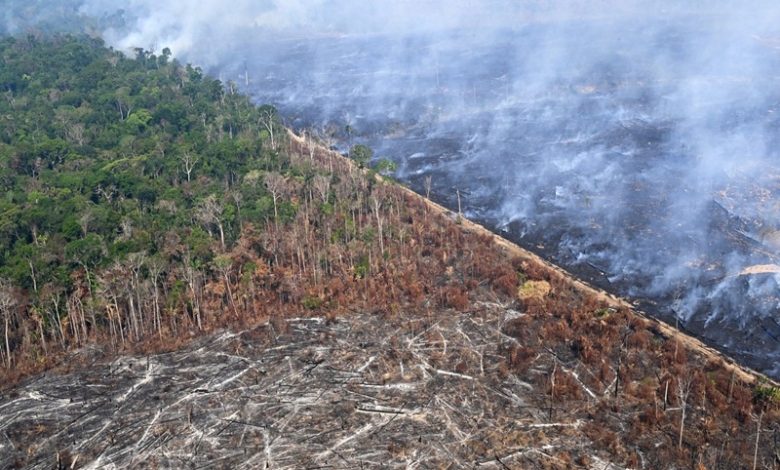
Smoke at dawn, ash on parked cars, skies that turned metal-grey by afternoon. The 2025 wildfire season across the Northern Hemisphere felt relentless, and the numbers backed it. Communities tracked wind shifts like cricket scores. Small routines broke, air purifiers hummed all day. Tough year, honestly.
Why 2025 Became One of the Most Intense Wildfire Seasons on Record
Heat stacked week after week. Forest floors dried early. Fire crews reported flame fronts that moved faster than briefing notes could travel. Lightning storms hit parched ridgelines and found ready fuel. And yes, human sparks still started too many ignitions. That’s how it looked on the ground.
Climate Drivers Behind the 2025 Northern Hemisphere Wildfires
Persistent high-pressure domes parked over mid-latitudes. Night temperatures stayed oddly warm, so fuels never cooled or recovered moisture. In some basins, rain arrived late or arrived in one loud burst that ran off quickly. Then dry winds returned. Feels harsh to say, but the setup felt like a textbook for trouble.
Regions Hit Hardest by the 2025 Wildfire Season
Crews in North American boreal zones saw peat edges smoulder for weeks, with smoke that smelled like wet soil and old leaves. Southern Europe faced hillside burns creeping toward towns by noon, then sprinting upslope by evening. Parts of Siberia recorded deep-seated ground fire, silent and stubborn. A few quick notes:
- West coast mountain belts reported fast runs in cured grass and chaparral.
- Mediterranean valleys saw multiple re-starts after containment, fatigue setting in.
- Steppe borders experienced long fire lines, low flame but endless edges. That’s the frustrating part.
How the 2025 Wildfires Differed From Previous Years
The calendar slipped. Spring hosted incidents usually seen mid-summer; autumn refused to close the book. More night operations because daytime fire behaviour stayed too aggressive. Helicopters lifted at first light to catch windows measured in minutes. Crews spoke about an ember cast that felt heavier, more persistent. Small things, big effects.
Smoke, Air Quality Decline, and Health Impacts in 2025
The season rewrote air-quality maps. Cities far from flame fronts woke to AQI spikes, the sun a dull coin behind haze. Schools shuffled schedules, outdoor workers rotated shorter shifts, clinics reported coughs that lingered past monsoon. People learned the smell of different fuels. Pine, peat, grass. Not a skill anyone wanted.
Environmental and Economic Damage Caused by the 2025 Fires
River catchments lost canopy cover, so the first storms carried ash into reservoirs. Orchards near burn scars dealt with soot deposition on fruit skins. Tourist towns saw cancellations within hours of smoke advisories. Freight corridors paused, then hurried through small clean-air windows. The ledger looked like this:
| Category | Snapshot impacts |
| Forest cover | Patchy canopy loss, edge mortality extending beyond burn line |
| Water | Ash pulses after first rains, higher treatment loads, short-term turbidity |
| Agriculture | Heat stress plus smoke taint in some belts, uneven labour schedules |
| Transport | Highway and rail closures during peak smoke, diverted routes |
| Local business | Seasonal drops in footfall, recovery paced by clean-air days |
Numbers tell one part of the story. The smell of wet ash after a storm tells another. Both count.
Government and International Response to the 2025 Wildfire Crisis
Inter-agency coordination improved in several regions, with shared aircraft pools and common radio plans. Satellite hot-spot feeds reached field teams quicker. Temporary shelters upgraded ventilation kits, not fancy, just effective. Cross-border assistance moved faster, paperwork trimmed where it mattered. Some gaps remained. Water-drop capacity stretched thin on heatwave days, which everyone expected but still sighed about.
How Communities Can Prepare for Increasing Wildfire Intensity
Preparation sits in small, boring habits. They save time on bad days.
- Clear five metres around structures, stack wood away, fit ember-proof mesh on vents.
- Keep N95 masks, a battery radio, spare power bank. Simple kit, big relief later.
- Join neighbourhood alert groups, run a weekend drill, keep maps printed. No drama, just ready.
- Schools and clinics to maintain clean-air rooms with portable filters and taped seals. Sometimes it’s the small habits that matter.
What the 2025 Wildfire Season Means for Future Climate Risk
Longer shoulder seasons now look normal, not exceptional. Fuel profiles are changing as drought cycles reshape forests and grasslands. Risk maps need new colours in places that rarely featured red. So planning shifts too. More prescribed burning windows in cooler months. More community-scale fire-ready zones. Feels like real work sometimes, although steady work usually wins.
FAQs
Why did 2025 wildfire activity escalate across the Northern Hemisphere compared with recent years?
Persistent heat, delayed rains, dry winds, and dense fuels aligned across multiple regions, extending active fire days and making suppression windows shorter than planners expected.
Which places saw the most prolonged smoke and related disruption during the 2025 season?
Large urban belts downwind of boreal fires, Mediterranean valleys near hill towns, and several inland transport corridors recorded repeated smoke events and rolling closures.
How did the 2025 season change standard firefighting tactics on busy weeks?
Teams shifted to earlier starts, heavier night operations, rapid air-ground coordination, and tighter containment around assets where full perimeter control was unrealistic.
What day-to-day impacts did residents report during peak fire periods in 2025?
Irritated eyes, persistent cough, cancelled outdoor work, altered school timetables, delayed freight, and a steady background worry that made people check wind apps too often.
What practical steps can reduce risk around homes before the next fire season arrives?
Keep defensible space clear, fit ember screens, maintain water and tool kits, plan routes, and coordinate with neighbours for shared alerts and simple drills that actually run.