
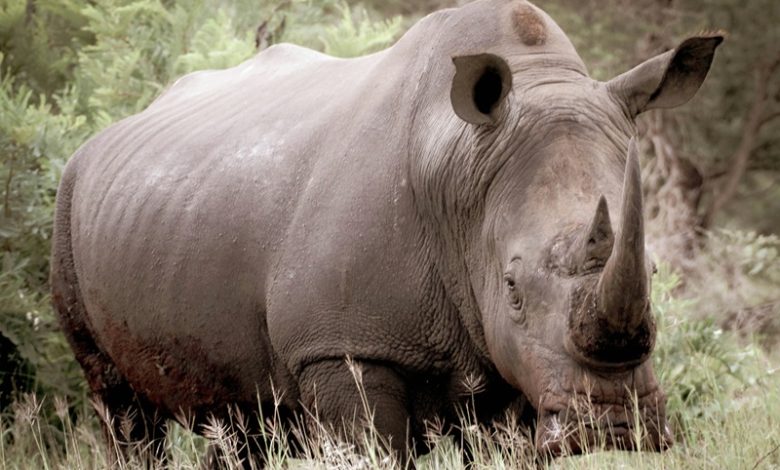
In the world, some countries harbor an unusual percentage of endangered species, and thus, they are of great importance in conservation. These countries frequently enjoy diverse ecosystems, biodiversity, and high endemic species native to them. These places are the ecological treasure troves, starting with Madagascar with its isolated rainforests, Indonesia with its vast archipelagos, and the Galapagos Islands of Ecuador. The conservation of these hotspots is very important to the extinction of millions of species, as well as to the ecological balance of the planet. This article will discuss the best country hotspots of endangered species, the most important ones, conservation issues, and the best practices to save the world’s biodiversity.
Top Endangered Species Hotspots
| Country | Endangered Species Count | Notable Species & Features |
| Madagascar | High | Home to endangered plant species, amphibians and reptiles face extinction risks. |
| Indonesia | High | The Komodo dragon and a great number of endemic species can be found in its extensive archipelago.. |
| Brazil | High | The Atlantic Forest is a hotspot in biodiversity and has many endangered species |
| India | High | Western Ghats and Sundarbans are endowed with threatened endemic species. |
| Colombia | High | Endangered species reside in different ecosystems where Amazon rainforests and Andean mountains can be found. |
| Ecuador | High | The Galapagos Islands boast of distinctive species such as giant tortoises and sea iguanas. |
| Papua New Guinea | High | Large rainforests accommodate exclusive species like the tree kangaroos. |
| Peru | High | The Amazon Basin and Andes Mountains support many species at risk. |
| Mexico | High | Contains deserts, rainforests, and other ecosystems rich in endangered species. |
| Japan | 634 | Includes 86 critically endangered species, mainly fish and amphibians. |
Conservation Challenges and Hotspot Significance
The wildlife of these countries is exposed to a number of threats. Destruction of habitats due to urbanization, deforestation, and farming is a major issue of concern. Climate change is the other factor that contributes to these risks, changing the ecosystem and affecting the survival of species. Poaching and wildlife trafficking are still major issues, especially for iconic species such as the Komodo dragon or the giant tortoises of the Galapagos. Good conservation policies, such as the use of protected areas, anti-poaching legislation, and community involvement, are very important. International cooperation, financing, and education are also effective in saving biodiversity in such hotspots and avoiding the irreversible loss of ecology.
FAQs
1. Why are they the endangered species hotspots?
They have exclusive ecosystems, a great concentration of biodiversity, and a considerable number of species that cannot be found anywhere on earth.
2. What are the primary threats to endangered species?
The major threats include habitat destruction, global warming, poaching, and pollution.
3. What could people do to avert conservation?
Give donations to reputable wildlife conservation organizations, reduce carbon footprint, avoid things and services that are linked to habitat destruction, and inform the populace on endangered species.
4. What are the threatened species in the hotspots?
There is a high threat to the endangered plants, amphibians, reptiles, and other wildlife, including the Komodo dragon, giant tortoises, and the tree kangaroos.