
EVs and the Planet: Cleaner Air, Smarter Grids
Electric Vehicles and Environment: Cleaner air, smarter grids, and reduced emissions — driving a sustainable future with clean power and innovation.

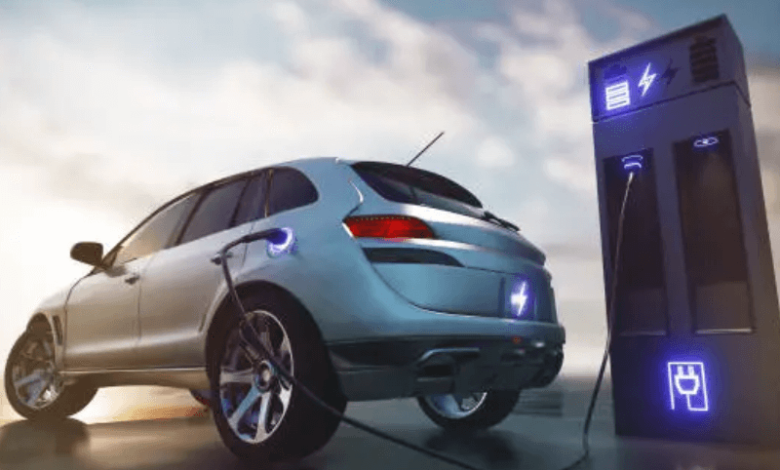
Electric vehicles are changing transportation by eliminating tailpipe emissions and transferring the burden of energy consumption to electricity, which is better in urban air quality and health-protective against nitrogen dioxide and fine particulates. Research has associated an increased EV adoption with quantifiable NO2 and asthma-related crisis reductions, and large benefits to the public-health where the baseline pollution is great.
EVs on climate generally have reduced lifetime emissions compared to gasoline vehicles, when manufacturer of batteries and fossil-heavy grids are also included. With renewables added to power systems and battery production becoming cleaner and more circular, the lifecycle benefit increases further – analyses indicate a reduction of up to about 70-80% in greenhouse gases of future EVs in the EU.
EVs are not the only ones developing energy systems. The current EVs consume about a national electricity equivalent, but estimates show that EV may still be a negligible portion of the total world demand by the year 2030, and may be replacing a few million barrels of oil each day. Peaks can be mitigated using smart charging and vehicle-to-grid to transform parked vehicles into grid resources.
Trade-offs have to be taken care of. The supply chain of battery production and minerals has environmental and social implications and thus responsible sourcing and recycling is crucial. The rate at which EVs will provide all of the climate and health benefits will depend on policy, standards, and investment in clean power and charging infrastructure.Conclusion EVs are already reducing pollution and oil consumption; cleaner grids, smarter charging and improved batteries will increase those benefits globally.