

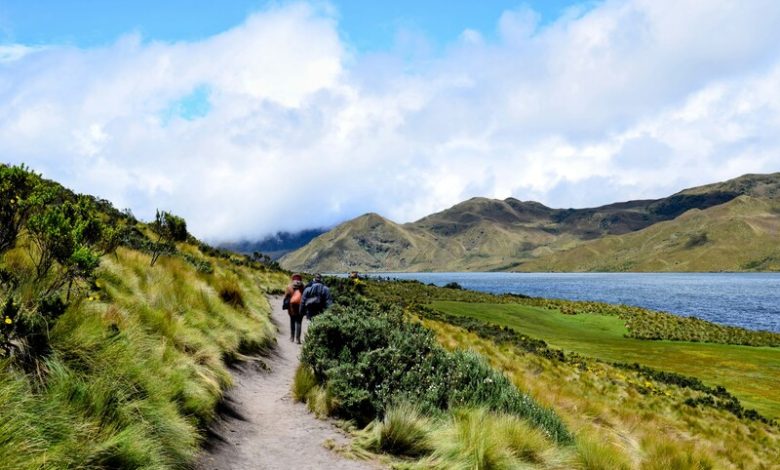
A pair of boots sink slightly into damp soil while bellbirds echo through the trees. That is often the first moment a traveler realises hiking in New Zealand is different. Eco-friendly hiking trails here are built to protect land, not wear it down.
New Zealand’s landscapes are fragile. Alpine plants cling to shallow soil, while native birds nest close to paths. The Department of Conservation manages most tracks, repairing erosion, maintaining huts, and posting reminders about waste.
Locals treat these measures as part of everyday life, not an inconvenience. For visitors, the rules feel strict at first, but they make sense once the scale of preservation becomes clear. These trails are designed for footsteps that do not leave scars.
Top Eco-Friendly Hiking Trails in New Zealand
The country has created a network that mixes famous Great Walks with remote backcountry routes. Some are comfortable, with boardwalks and huts booked months ahead. Others remain rough, testing preparation and patience. Together, they form a system where nature leads and people follow.
1. Te Araroa Trail – The Long Journey Across Aotearoa
Te Araroa stretches from the northern tip of Cape Reinga to Bluff in the south. At nearly 3,000 kilometers, it is not a weekend trip but a commitment. Many only walk sections, but even short stretches bring a sense of connection. A hiker might pass a dairy farm in the morning, then be climbing an alpine pass by evening.
That contrast spreads foot traffic wide, reducing the strain on any single place. Communities along the way often open doors to walkers, turning the trail into a moving thread between people and land.
2. Paparoa Track – New Zealand’s Newest Great Walk
The Paparoa Track came out of grief and remembrance, built after the Pike River disaster. Its design reflects modern thinking: huts powered for efficiency, trails cut to handle heavy rain without washing out. Walkers and bikers share sections, giving it a lively mix.
Rainforest, alpine ridges, and limestone formations roll past, each change in scenery a reminder of how much variety sits in one region. The track feels new, but its story runs deep.
3. Milford and Routeburn Tracks – South Island Classics
Milford and Routeburn remain the names that most visitors recognise. Milford winds through Fiordland, where waterfalls thunder down cliffs after a storm. Routeburn crosses alpine passes with clear views across valleys that stretch for miles. Both tracks face constant demand, so bookings cap numbers well before summer.
Rangers move along the paths, advising walkers and keeping eyes on conditions. It is a system that keeps popular trails from turning into highways, leaving them wild enough to feel authentic.
4. Abel Tasman Coastal Track – Golden Beaches with a Light Footprint
Abel Tasman brings something softer: golden beaches, calm bays, and tidal flats that shape the timing of each day. Families often walk sections while others tackle the full circuit.
Boardwalks shield delicate dunes, while water taxis reduce long drives. A walker might sit on a log, hearing gulls overhead and the push of waves below. The balance of sea and land creates a rhythm that is gentler but no less captivating.
5. Heaphy Track – Through Forest, Grasslands, and Coast
Crossing Kahurangi National Park, the Heaphy Track stretches across 78 kilometers of constantly changing terrain. The walk moves from tussock highlands into rainforest, then down to wild coastline where the Tasman Sea roars.
Nights in huts can include the call of a great spotted kiwi, a reminder that the land still holds its original life. Because the walk is long and demanding, it naturally filters numbers. Visitors who complete it see more than one landscape, they see a country stitched together.
6. Hooker Valley Track – Accessible Glacial Views for Everyone
For those short on time or stamina, Hooker Valley Track in Aoraki/Mount Cook National Park provides a striking alternative. Swing bridges hang over roaring rivers, leading to a lake dotted with icebergs.
Families and tour groups share the same path, yet boardwalks and hardened trails keep plants safe. The setting changes with the weather: blue skies one day, clouds swirling the next. It shows how careful design makes a high-use trail sustainable.
7. Off-the-Beaten-Path Sustainable Hikes
Beyond the Great Walks, New Zealand holds trails where comfort gives way to self-reliance. These hikes do not attract crowds because they demand planning, fitness, and sometimes grit. What they offer in return is quiet, rivers cutting through valleys, skies free of light, and a feeling of being far away from it all.
8. Gillespie Pass – A Rugged Backcountry Experience
The Gillespie Pass Circuit in Mount Aspiring National Park is not forgiving. Weather changes suddenly, rivers rise quickly, and steep climbs burn the legs. Yet views across snowy peaks and deep valleys pay back the effort.
Facilities are basic, so walkers carry their own gear. That keeps numbers low and impact lighter. It is not a trail for casual day trippers. It is one for those ready to work for the reward.
9. Kahurangi National Park Circuits – Low-Impact Exploration
Kahurangi covers a vast area with circuits like Wangapeka and Leslie-Karamea. These are not polished routes. They are tracks where hikers may not see another person for days. Nights are spent in simple huts or under tents, with rivers providing the soundtrack.
Because the area is managed for minimal development, it feels raw. Walkers leave with sore legs but also with landscapes imprinted in memory, untouched and unpolished.
Read Also : Top Wadi Adventures in Oman and Jordan for Nature Lovers 2025
What’s Next for Eco-Adventure Travel in New Zealand?
New Zealand is shaping its future hiking strategy around resilience. More boardwalks are being added to protect fragile ground, hut booking systems keep crowds under control, and iwi partnerships ensure cultural context is part of the walk.
Climate shifts bring heavier rain and more unpredictable seasons, so tracks are being upgraded to handle the strain. The aim is straightforward: keep the trails open for the long run while keeping nature intact.
FAQs
1. Which eco-friendly track is best for families with children in New Zealand?
Hooker Valley Track near Mount Cook is safe, short, and rewards walkers with clear glacial views.
2. How are Great Walks like Milford kept from overcrowding?
Bookings are limited, huts run under strict guidelines, and rangers monitor use during peak months.
3. Which track highlights coastal scenery with eco-friendly measures in place?
The Abel Tasman Coastal Track offers golden beaches, tidal crossings, and boardwalks that protect dunes.
4. What sets Gillespie Pass apart from the more famous Great Walks?
It is rugged, with minimal facilities, demanding full self-sufficiency and preparation for backcountry conditions.
5. How is climate change shaping the future of New Zealand trails?
Rising rainfall and changing seasons push upgrades to bridges, huts, and booking systems to keep trails safe.